Gaelic Christmas Carols: Celtic Songs of Winter Solace

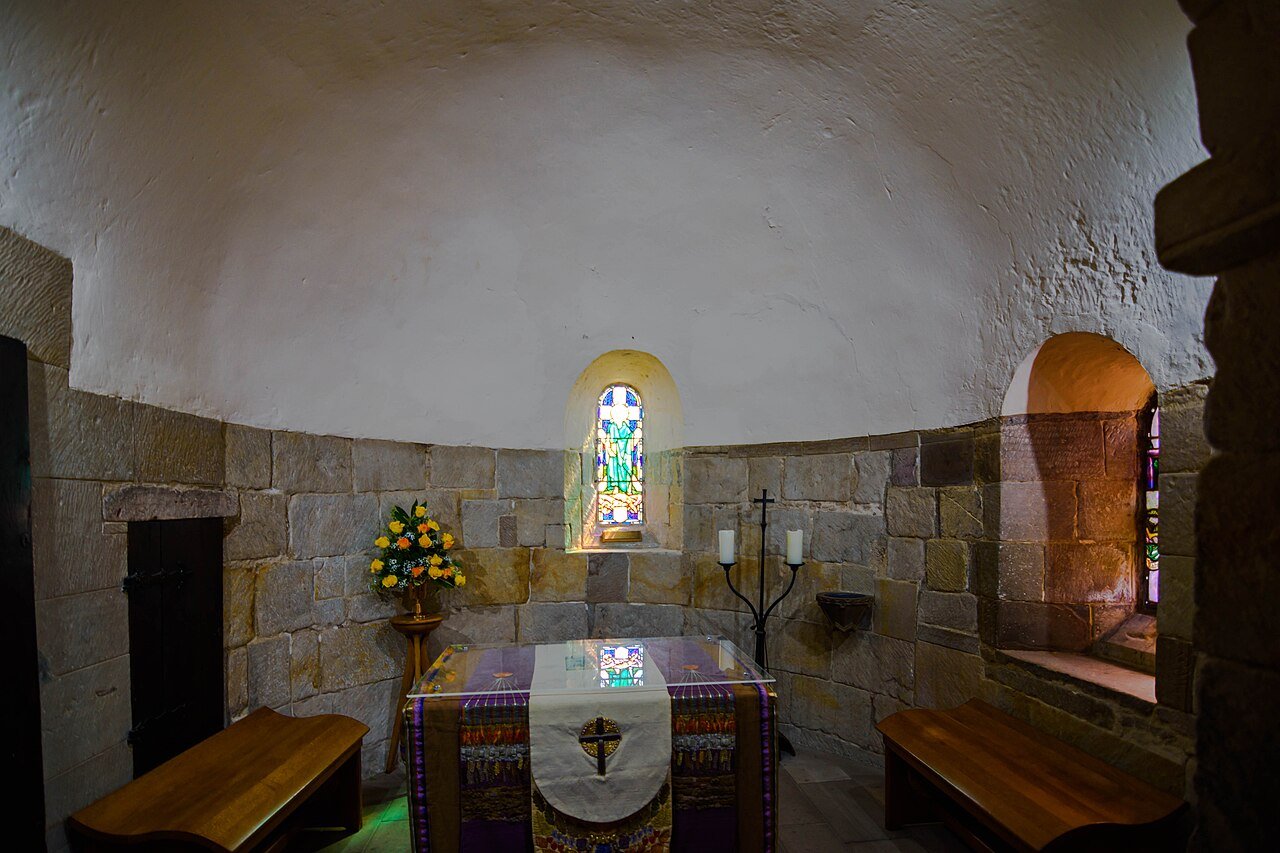
There’s something profoundly moving about hearing a Gaelic Christmas carol echo through a quiet chapel or over the wild Atlantic winds. Each song carries the poetry of the Gaelic language, a voice that weaves together faith, folklore, and the rhythm of Celtic life. During Christmas, these ancient melodies do more than celebrate the season They remind people of community, language, and the enduring warmth of Gaelic culture.
The Soul of the Gaelic Christmas Tradition
The Gaelic world has always sung its prayers and told its stories in verse. In the Highlands and Islands of Scotland, Christmas hymns known as duain Nollaig, were once shared around the hearth or in small village chapels. These carols often celebrated both the Christian Nativity and the beauty of the Celtic landscape.
Songs like Taladh Chrìosda (“The Christ Child’s Lullaby”) from Barra capture the intimacy of Mary’s lullaby, while Leanabh an Àigh (“Child of Joy”) carries melodies that later inspired the global hymn Morning Has Broken.
Each note reflects the Celtic connection between the sacred and the natural world, much like the spiritual depth explored in Scottish Gaelic Bible Translations. Through song, believers not only worshipped but also expressed the landscape of their souls.

A Language of Music and Memory
Singing in Gaelic is an act of preservation. These carols keep alive a language that once faced near extinction. For communities from the Outer Hebrides to Connemara, the Christmas season offers a time to reconnect with the words of ancestors.
The lullabies and hymns of the season share roots with the gentle tunes discussed in Gaelic Children’s Lullabies. Both traditions serve the same purpose: to pass language and love from one generation to the next through melody.
Gaelic’s musicality, its rolling vowels and rhythmic phrasing makes it perfect for sacred song. Listening to a Gaelic carol feels like stepping into another time, where winter’s stillness meets divine light.

Instruments that Shape a Celtic Christmas
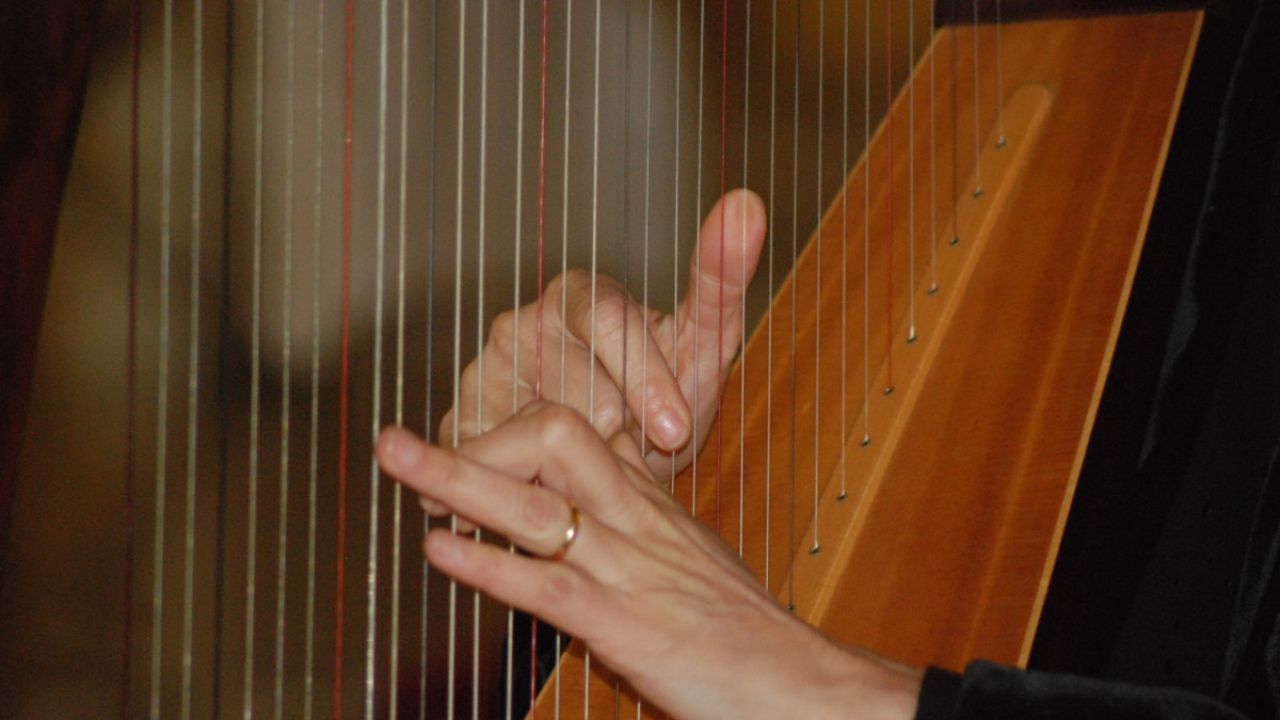
Gaelic Christmas music draws its beauty not just from voice but also from instrument. The clàrsach, or Celtic harp, is central to this sound. Its soft, resonant strings mirror the hush of a winter night. You can learn more about this iconic instrument in What Is a Clarsach?.
The bodhrán, the Irish frame drum, adds a steady heartbeat rhythm to festive gatherings (The Bodhrán Drum). Alongside fiddles, whistles, and gentle harmonies, these instruments transform Christmas into a Celtic soundscape—rich, layered, and full of warmth.
Revival of the Gaelic Carol in Modern Times
Though once nearly forgotten, Gaelic carols have experienced a powerful revival. Contemporary Celtic musicians now record both traditional and new carols in Gaelic, breathing life into old lyrics. Many performances blend Gaelic with English verses, allowing global audiences to experience the music’s emotional depth.
Festivals in Scotland and Ireland often feature carol concerts that combine sacred hymns with modern arrangements. These gatherings celebrate the resilience of Gaelic identity—a living tradition of art, music, and faith. The same spirit that drives Ceilí Bands to preserve folk dance music also keeps Christmas carols alive in Gaelic-speaking communities.

The Shared Spirit of Nollaig
More than a performance, Gaelic Christmas carols represent togetherness. Whether sung in a chapel, on a stormy island, or in a modern concert hall, they draw people into a shared moment of reverence and connection.
The season’s warmth echoes the Celtic belief that every human heart carries a spark of divine light. That belief—celebrated in countless Gaelic verses—still rings true today. As families gather this Nollaig, voices rise softly, carrying the same melodies that once echoed through stone chapels centuries ago.