


The Curse of the Brahan Seer: Fate Written in the Highlands
Few Scottish legends linger quite like the story of the Brahan Seer.
He stands at the crossroads between myth and history, a man said to see the future with unsettling clarity. His final prophecy, often called the curse, has lived on in folktales, books, and quiet local retellings.
Studying this legend always reminds me why Celtic storytelling feels so enduring. People do not only listen for entertainment. They listen to understand power, loss, and destiny, themes woven into Scottish culture just as deeply as tartan threads. You can sense this same cultural depth in pieces like Why Are Irish People Natural Storytellers?.
Who Was the Brahan Seer?
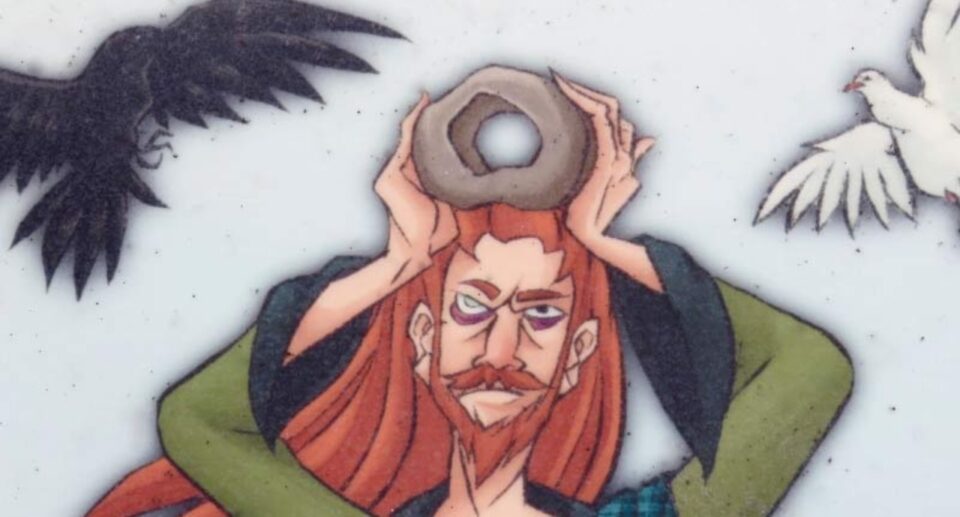
Tradition places the Brahan Seer, sometimes named Coinneach Odhar, in the Highlands during the 17th century. Folklore claims he received his gift from a magical stone. When he looked through it, visions appeared.
Whether or not such a stone existed matters less than what the stories reveal. Communities believed in the Seer because his predictions felt accurate and unnervingly logical.
He foresaw disasters, political changes, and family tragedies. Some accounts even say he predicted bridges, railways, and social upheaval long before they arrived. In a world shaped by uncertainty, prophecy gave structure.
Power Meets Fear
The more people trusted the Brahan Seer, the more powerful he appeared. And power often attracts danger.
One story tells of Lady Seaforth, wife of a powerful Highland lord. She asked the Seer to reveal her husband’s whereabouts. Reluctantly, he described another woman in his company. Truth can unsettle those who hold status and Lady Seaforth reacted with rage.
She ordered the Seer executed.
What follows transforms from local history into mythic tragedy, echoing the moral arc seen in other Celtic stories such as The Linton Worm or the divine narratives examined in Celtic Sun God Lugh.
The Final Prophecy; The Curse
On the eve of his death, the Seer made one last proclamation. He said the proud house of Seaforth would crumble. Their estates would scatter. Their lineage would weaken.
Later generations remembered his words not only for their predictive tone, but for their quiet warning. Abuse of power carries consequences. Leaders cannot ignore truth forever.
Folklore claims that, over time, misfortune struck the Seaforth line almost exactly as foretold. Whether coincidence or cultural memory, the story became legend.
You can compare this narrative of fate and moral consequence with other symbolic traditions, such as sacred landscapes explored in Irish Holy Wells.

Prophecy, Community, and Memory
From an academic lens, the Brahan Seer represents more than one man.
He becomes a device through which people discuss fear and future events. The Seer gave shape to the unknown. His prophecies helped communities prepare emotionally, even if they could not prevent fate.
Folklore rarely survives because it entertains alone. It persists because it offers frameworks for thinking. Just as instruments like the clarsach carry cultural sound, legends like this one carry cultural ethics.

Why the Story Still Matters Today
Modern audiences sometimes treat prophecy as fantasy. Yet Scottish communities once treated it as part of lived experience. The legend of the Brahan Seer highlights enduring questions:
- Who controls truth?
- What happens when leaders silence honesty?
- Do communities create fate through belief?
These themes connect to broader Highland identity; the landscapes, clans, and shared histories reflected in guides such as How Many Scottish Clans? and explorations of cultural resilience across Scotland.

A Legend That Refuses to Fade
Visitors to the Highlands still hear versions of the Brahan Seer tale. Each retelling shifts slightly, but the core message remains steady. Knowledge carries risk. Power must face accountability. And prophecy, whether real or symbolic, forces people to reflect on their actions.
That is why the curse of the Brahan Seer continues to echo. It tells us less about predicting the future and more about understanding human behavior.
For more mythic stories and cultural analysis, explore the wider Mythology & Folklore section or browse the full blog collection anytime.