The Crann Tara (Fire Cross): A Call That Could Not Be Ignored
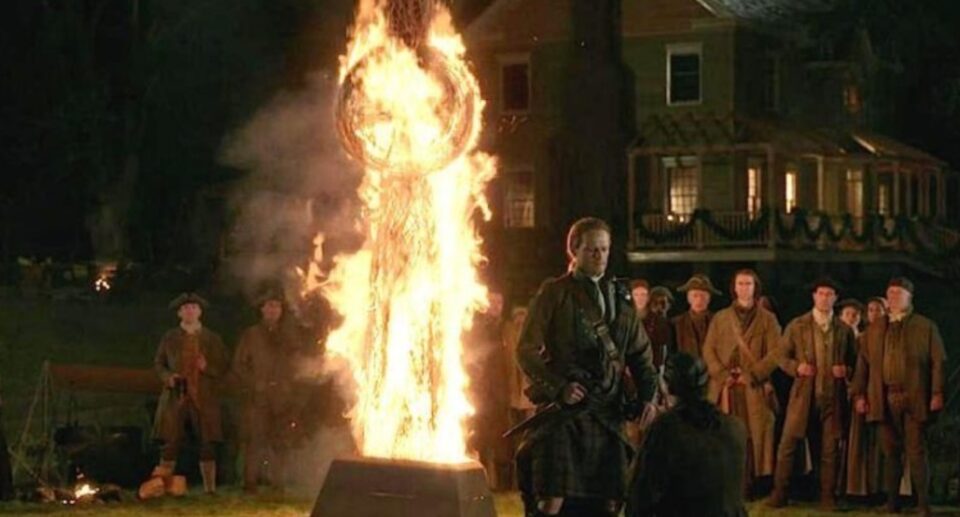
Few symbols in Scottish history carry as much urgency and meaning as the Crann Tara, or Fire Cross. When people saw it, they did not hesitate. They gathered, prepared, and understood the message without a single word spoken.
In Gaelic culture, the Crann Tara served as both a warning and a promise, a call to defend community, kinship, and land. Today, it helps us understand how deeply Scottish society valued loyalty and collective identity.
To explore traditions like these, I often think about how storytelling shapes memory, much like in Ireland’s heritage of oral tales, something we discuss more in our piece on why Irish people are natural storytellers.
What Exactly Was the Crann Tara?
The Crann Tara consisted of two simple materials: a wooden cross and fire.
A messenger carried it from settlement to settlement. The ends of the cross burned or bore marks of scorching. Everyone who saw it recognized its meaning:
come at once, danger threatens the clan.
Unlike written orders, the Fire Cross spoke through symbolism. It crossed mountains, glens, and forests faster than many official messages of its time.
How the Fire Cross Worked
The process followed a clear ritual:
- Elders prepared a small cross of wood.
- Fire scorched one end to represent threat.
- A runner carried it across the Highlands.
- Each recipient repeated the ritual and sent it on.
The symbol traveled quickly. People gathered at agreed points, ready to defend the land or support neighboring clans.
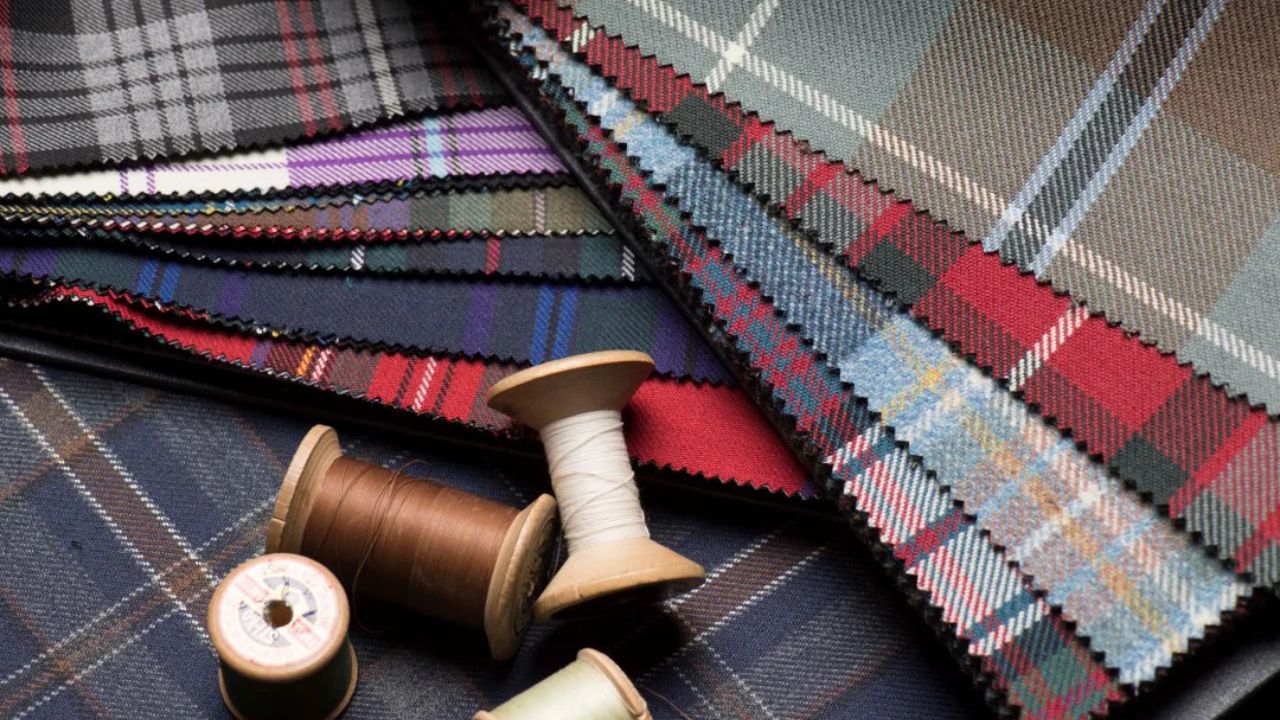
We see echoes of this communal response in other Celtic traditions. Cultural objects, like the tartan, also signaled belonging and loyalty. You can explore more about that heritage in our guide on what tartan means.
Symbolism: More Than a Warning
The Crann Tara did not only say “prepare for battle.”
It also said:
- You belong here.
- Your actions matter.
- Your community needs you.
Scottish clan systems placed heavy value on shared responsibility. The Fire Cross expressed that value in the most direct way possible.
The emotional power behind it feels similar to sacred objects and rituals across Celtic culture, much like holy sites and sacred landscapes discussed in our exploration of Celtic stone carvings.
Historical Moments Where It Appeared
Accounts link the Crann Tara with periods of great unrest, including the Jacobite risings. Leaders used it to rally men quickly across widely scattered settlements.
While methods of communication changed over time, the symbolism remained memorable. Even today, historians study it as an example of how community networks operated without formal infrastructure.
What the Fire Cross Teaches Us Today
Modern readers may see the Crann Tara as something distant and dramatic. Yet its deeper lesson feels surprisingly current:
Communities thrive when they respond together.
We see similar collective spirit in Irish and Scottish traditions — music, clan gatherings, festivals, and cultural preservation. Explore this idea further through our reflections on events like the Highland Games.
Where the Crann Tara Lives in Memory
You may encounter the Fire Cross in museums, literature, reenactments, or clan histories. It survives as:
- A symbol of unity
- A reminder of heritage
- A story about courage and responsibility
And just like language, music, and myth, it forms part of a larger tapestry of Celtic identity. If you enjoy tracing symbols through folklore, you may also like reading about the mysterious sun god Lugh.

Final Thoughts
The Crann Tara is not only a relic from Scotland’s past.
It shows how communities once mobilized with clarity, trust, and purpose. A small wooden cross carried enormous meaning and it still sparks curiosity today.
If you enjoy journeys like this through Celtic history, explore more fascinating stories in our main archive:
➡️ CeltGuide Blog