
The Claddagh Symbol: Love, Loyalty, and Friendship

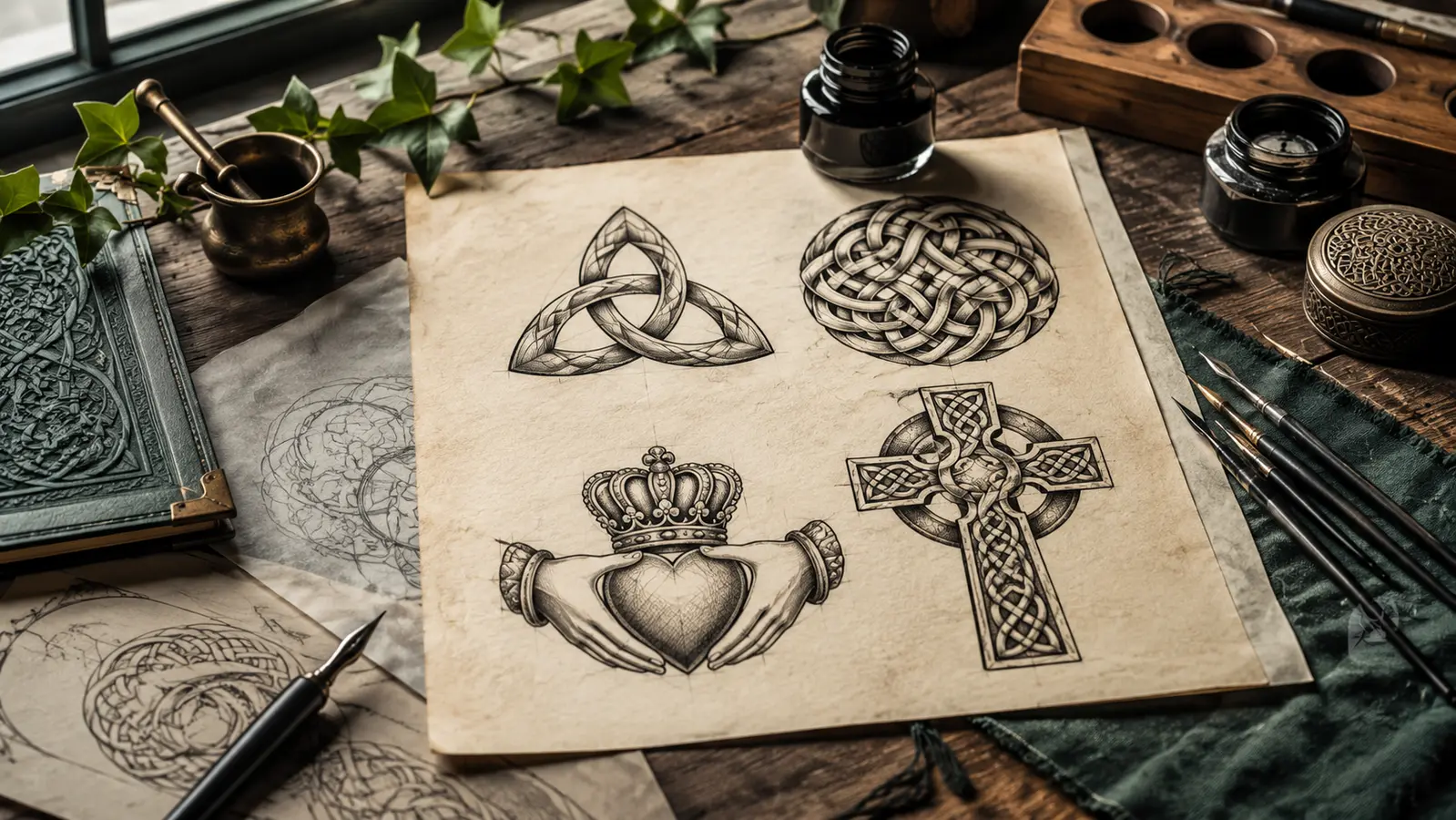
When you first see the Claddagh symbol, two hands holding a heart topped with a crown, it feels simple. But the more you look, the more the story opens.
This design holds centuries of Irish memory, devotion, and identity. It speaks to community, belonging, and the promises people make to one another.
And honestly, that is where its magic lies.
What Does the Claddagh Symbol Mean?
The Claddagh design carries three core ideas:
- Hands — friendship
- Heart — love
- Crown — loyalty
Together they form a quiet vow:
“Let love be guided by friendship, and let loyalty protect both.”
It feels poetic, yet deeply practical, the kind of wisdom that comes from lived life rather than myth.
Where Did the Claddagh Come From?
The symbol takes its name from Claddagh, a historic fishing village near Galway. Communities there lived close to the sea and even closer to one another. Rings carrying this emblem traveled from one generation to the next, often marking marriage, inheritance, or promise.
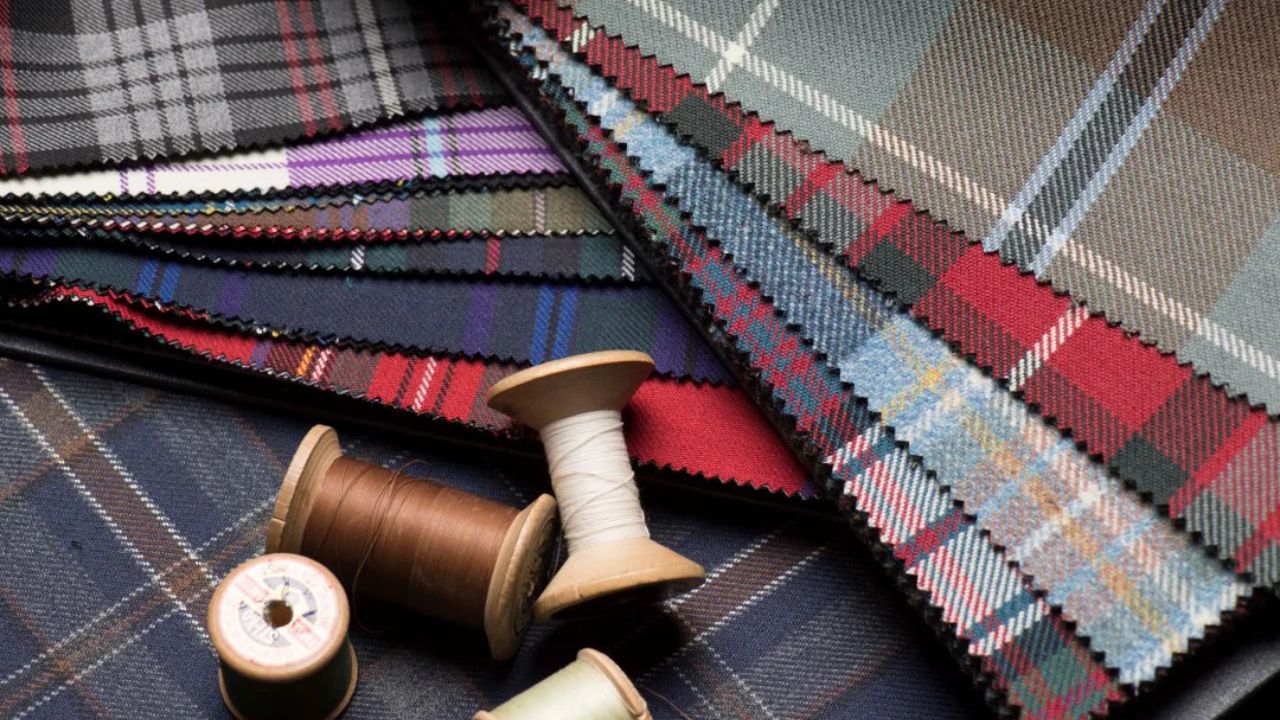
If you enjoy tracing cultural stories through time, you may also like how heritage survives in other traditions, like tartan history, which holds identity through pattern and cloth:
https://celtguide.com/what-is-tartan/
The Claddagh Ring: A Symbol People Wear With Intention
The Claddagh is most famous as a ring. People choose it not only because it looks elegant, but because it communicates meaning without a single word.
How It’s Worn (and What It Means)
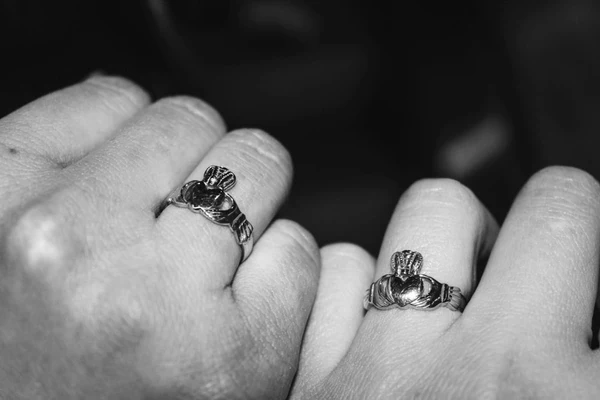
- On the right hand, heart facing outward — you are open to love
- On the right hand, heart facing inward — you are taken
- On the left hand, heart inward — marriage or deep commitment
This is symbolism that travels gracefully across time.
It evolves, yet it never loses its emotional weight.
For a deeper dive specifically into ring symbolism, you can also reference:
https://celtguide.com/claddagh-ring-meaning-history-and-symbolism/
Why the Claddagh Still Matters Today
In an age of technology and fast trends, the Claddagh feels refreshingly human. It honors relationships, promises, and shared values. People give it at weddings, graduations, anniversaries, or as gifts that speak when speech feels too small.
It rests in the same emotional world as Irish storytelling traditions where feelings hold as much importance as facts:
https://celtguide.com/why-are-irish-people-natural-storytellers/
The Symbol Beyond Jewelry
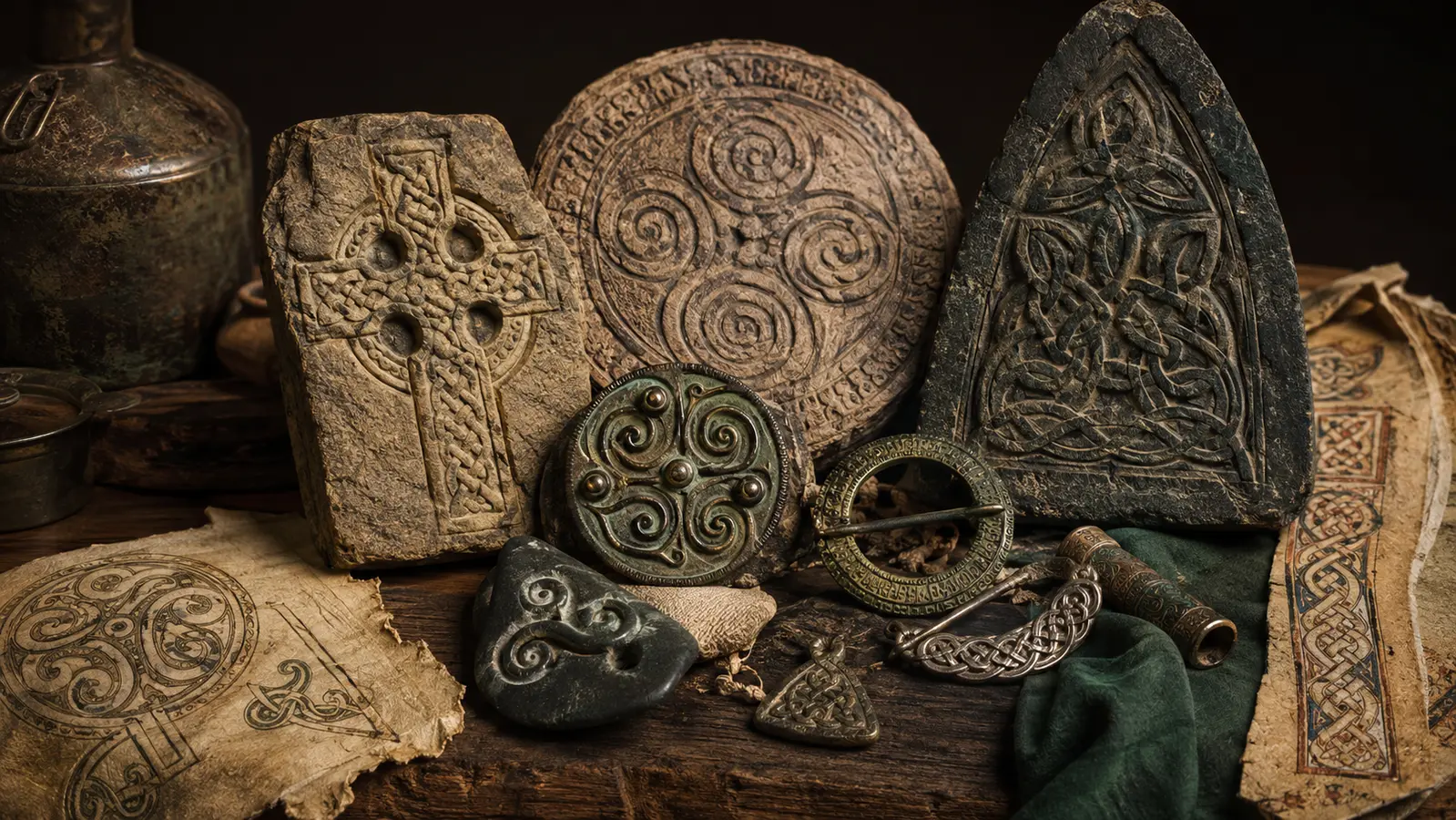
Artists carve the Claddagh into wood. Jewelers set it into gold. Designers place it into textiles. It lives comfortably beside many other Celtic symbols, much like the motifs seen in stone carvings:
https://celtguide.com/celtic-stone-carvings/
Each version tells the same simple truth:
love deserves loyalty, and loyalty thrives in true friendship.

A Cultural Gesture That Feels Timeless
The Claddagh is not just decoration. It is communication.
It invites us to think about how we choose each other as partners, friends, and communities.
The symbol sits alongside other meaningful Irish traditions, like St. Patrick’s Day celebrations or sacred wells, where history and belief meet everyday life:
https://celtguide.com/the-significance-of-saint-patricks-day/, https://celtguide.com/irish-holy-wells-portals-to-the-past-pathways-to-the-divine/
And that is why the Claddagh does not fade.
It keeps finding new hands and new hearts, ready to carry it forward.
Final Thoughts
If you ever hold a Claddagh ring, pause for a moment.
You are holding a philosophy disguised as jewelry, a quiet reminder that relationships grow stronger when friendship leads, love follows, and loyalty protects.
And perhaps that is what makes it feel endlessly relevant.