The Black Watch Ghosts: Haunted Stories from the Highlands
Scotland loves a good ghost story. The Highlands especially hold onto memories with a stubborn grip. One regiment seems destined to keep marching through both history and haunting. The Black Watch, Scotland’s most famous Highland regiment, stands as a symbol of courage, duty, and pride. Their tartan commands respect among all who know even a little about Scottish heritage. Yet countless witnesses say the Black Watch never fully leaves their posts. Their spirits remain in castles, on battlefields, and in the wind of lonely glens.
This is not surprising when you think about how Scottish culture safeguards memory. Traditions stay alive through music, tartan, and the power of storytelling itself. You can explore why Celtic communities hold this trait so strongly here:
👉 https://celtguide.com/why-are-irish-people-natural-storytellers/
Now let’s step into the shadows where history and haunting walk together.
Who Were the Black Watch? A Regiment Born From Turbulence
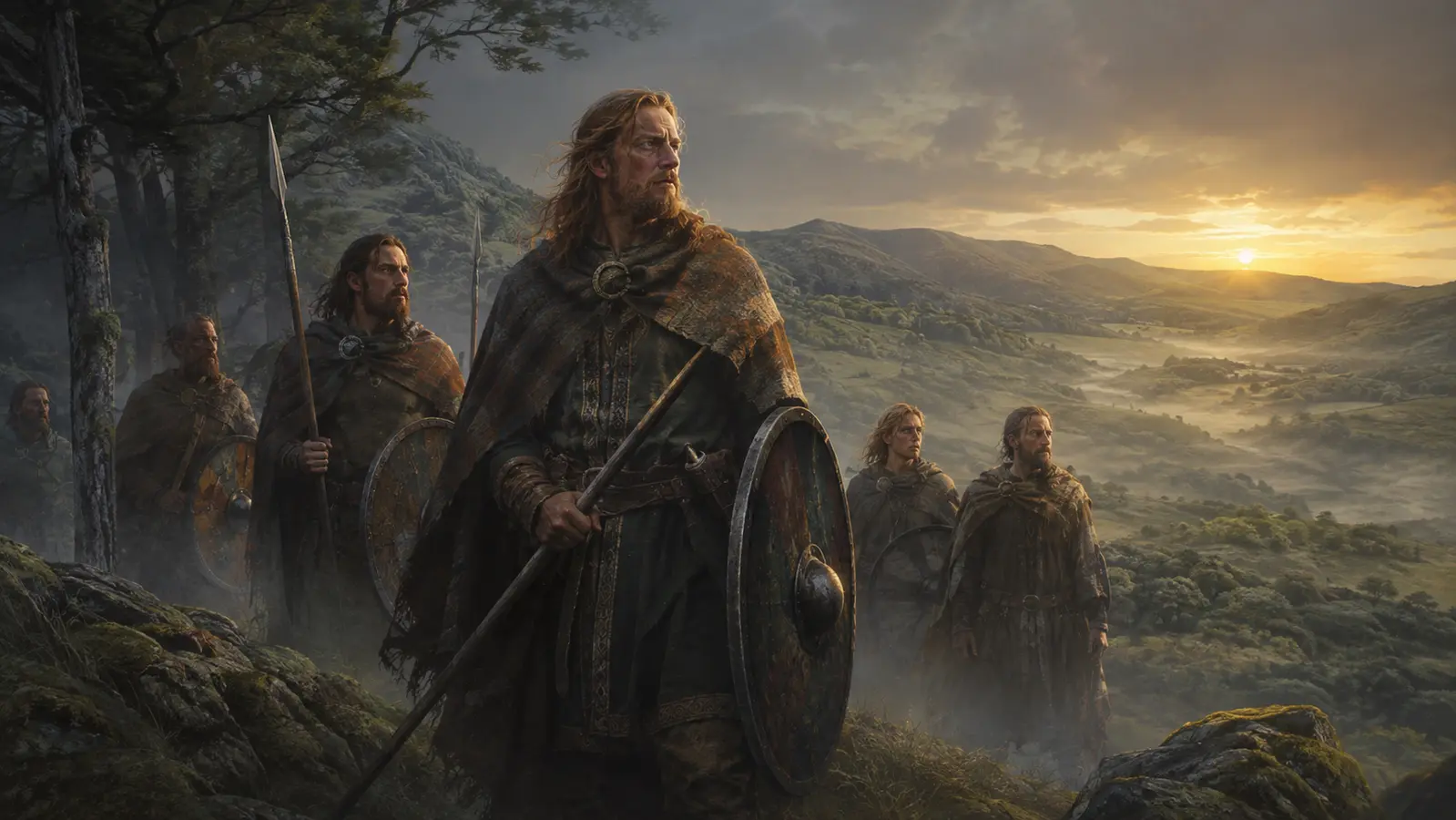
The Black Watch began in 1725. Their mission: keep order in the Highlands after the Jacobite uprisings. The soldiers came from the very clans they were tasked to watch. Skilled at moving through mist and rugged terrain, they navigated danger where others saw only wilderness.
Their name came from their duty and their uniform. “Black” from the dark Government Tartan, “Watch” because they patrolled day and night. If you want to dive deeper into how tartan grew into a powerful identity, this guide offers a fascinating timeline:
👉 https://celtguide.com/how-long-has-the-tartan-prints-been-around/
Over centuries, the regiment earned fierce respect. In war after war, their bravery shaped their legend. Yet each battlefield also left echoes. Some say those echoes gained footsteps.
The Sentry of Balhousie Castle
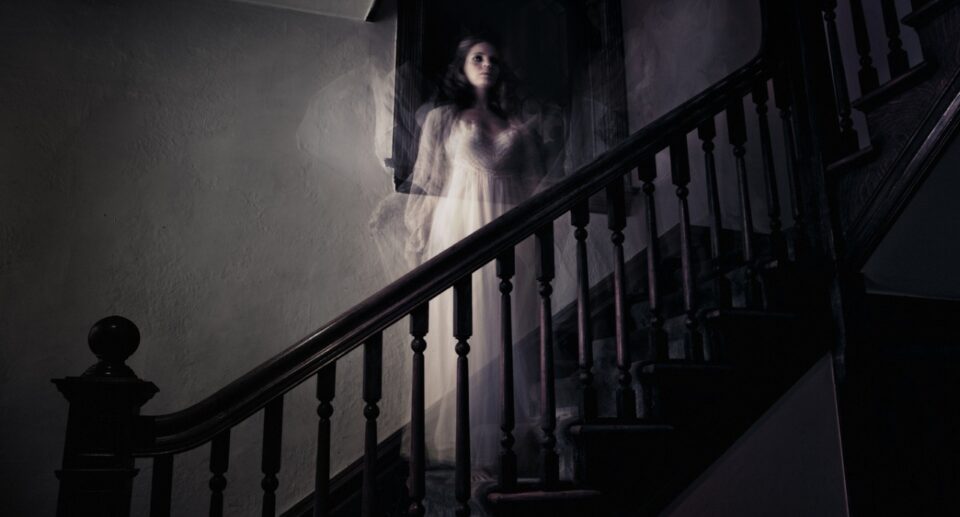
Balhousie Castle in Perth is not only a museum. It is a place where visitors sometimes feel they are not alone. Staff report the measured sound of boots pacing along the upper floors in the evening. The cadence remains steady. A soldier on patrol. Some claim a faint chill follows the sound, mixed with the scent of rain-soaked wool and gunpowder.
Those who turn a corner too quickly swear they almost collide with a figure in dark tartan. Yet no one stands there.
Balhousie carries proud military history, but like many Scottish stone structures, it also carries stories that refuse to settle.

Phantom Piper on the Battlefield
Wherever the Black Watch fought, music went with them. The pipes held morale together in moments that could break ordinary men. Many soldiers claimed the bagpipes kept courage awake. So when fighters in later wars heard a lone piper playing in darkness, they believed a fallen Highland musician had returned to guide them through.
Reports come from France, North Africa, and the Western Front. The tune always sounds like a lament. It ends before anyone can find the source.
That mix of music and mystery fits beautifully with the spirit of Celtic creativity. You can explore another essential part of that culture here:
👉 https://celtguide.com/the-bodhran-drum/
Ghost or memory? The question lingers like a note that refuses to fade.

The Ghost Road at Fort George
Near Inverness, Fort George remains an important site for Scottish defense. It also gives soldiers a touch of the supernatural. A lone figure in early Black Watch attire walks the ramparts at dusk. He never speaks, never changes pace, never responds to calls. Once he rounds a corner, he disappears.
Modern military personnel who witness him feel something deeper than fear. They feel respect. This soldier, whatever he is, remains loyal long past death.
For those interested in Scotland’s landscapes and history working together, this might be a perfect next read:
👉 https://celtguide.com/is-loch-lomond-in-the-highlands/

Why Ghosts Follow This Regiment
The Black Watch represents more than military effort. It represents Highland identity. Clan loyalty. Sacrifice. Pride in tartan. These themes run through Scotland’s traditions and artistic expression. They make the stories feel real because the emotions behind them are real.
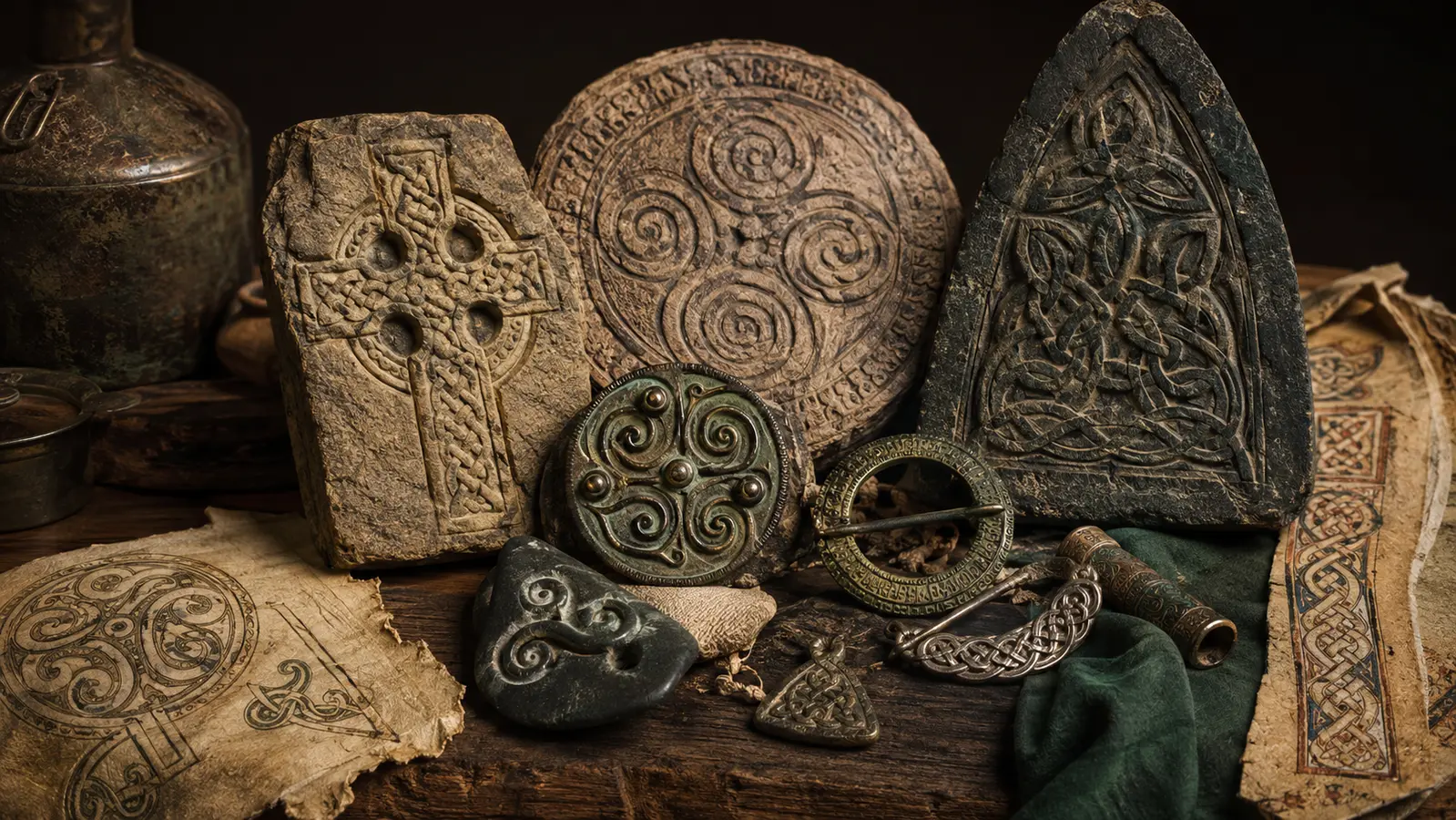
Scotland keeps history alive physically too. The land still wears the memory of its people. Celtic stone carvings hold symbols that go back to ancient times:
👉 https://celtguide.com/celtic-stone-carvings/
When a culture values heritage so deeply, ghosts become part of that continuity. They remind us that service and devotion remain powerful long after life ends.
A Final March Into Mystery
The Black Watch ghosts continue marching because the world still remembers them. Where there is remembrance, there is presence. Anyone exploring Highland history long enough eventually encounters a story with cold wind, distant pipes, and a shadow in dark tartan standing perfectly still.
If this journey into Scotland’s haunted heritage has intrigued you, the Celtic world has endless wonders waiting. Visit the full blog library and continue exploring:
👉 https://celtguide.com/blog/
Whether you believe in spirits or not, these tales keep the heart of the Highlands beating.
A regiment like the Black Watch never fades. Not from history. Not from storytelling. Possibly not even from this world.