Tartan Patterns: Scotland’s Timeless Weave of Heritage

When you think of Scotland, the image often includes misty glens, rugged mountains, and the bold colors of tartan. These crisscrossed patterns are not just fabric designs, they are centuries of history woven into cloth. Each tartan tells a story, whether of a clan, a region, or a moment in time.
If you’re new to the subject, our What Is Tartan? guide is a great place to start.
What Defines a Tartan Pattern?
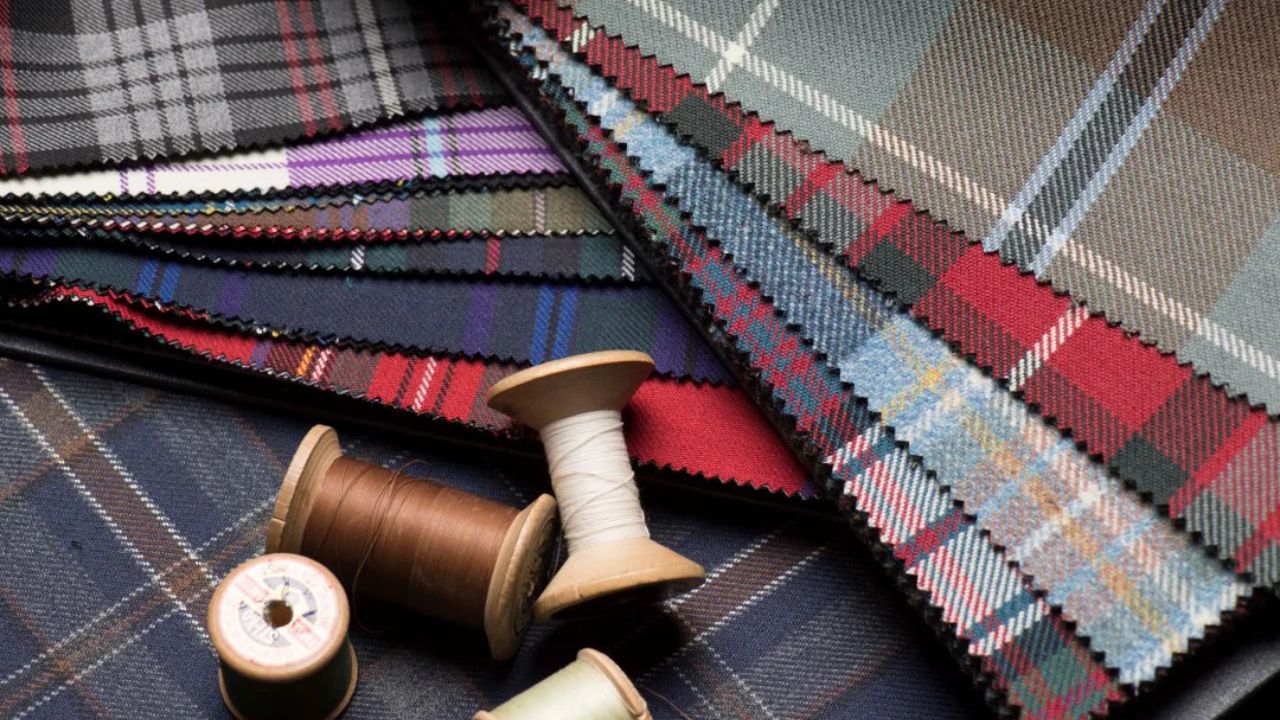
A tartan consists of horizontal and vertical stripes called setts that intersect at right angles to form a symmetrical grid. Each unique combination of colors and stripe widths creates a distinct pattern.
Unlike generic plaid, tartan often carries symbolic meaning. Many designs are officially recorded, representing clans, districts, or commemorative events.

From Ancient Threads to Highland Pride
While tartan is now synonymous with Scottish culture, its origins predate the nation itself. Archaeologists have found tartan-like textiles from as far back as the 3rd century BCE in Europe.
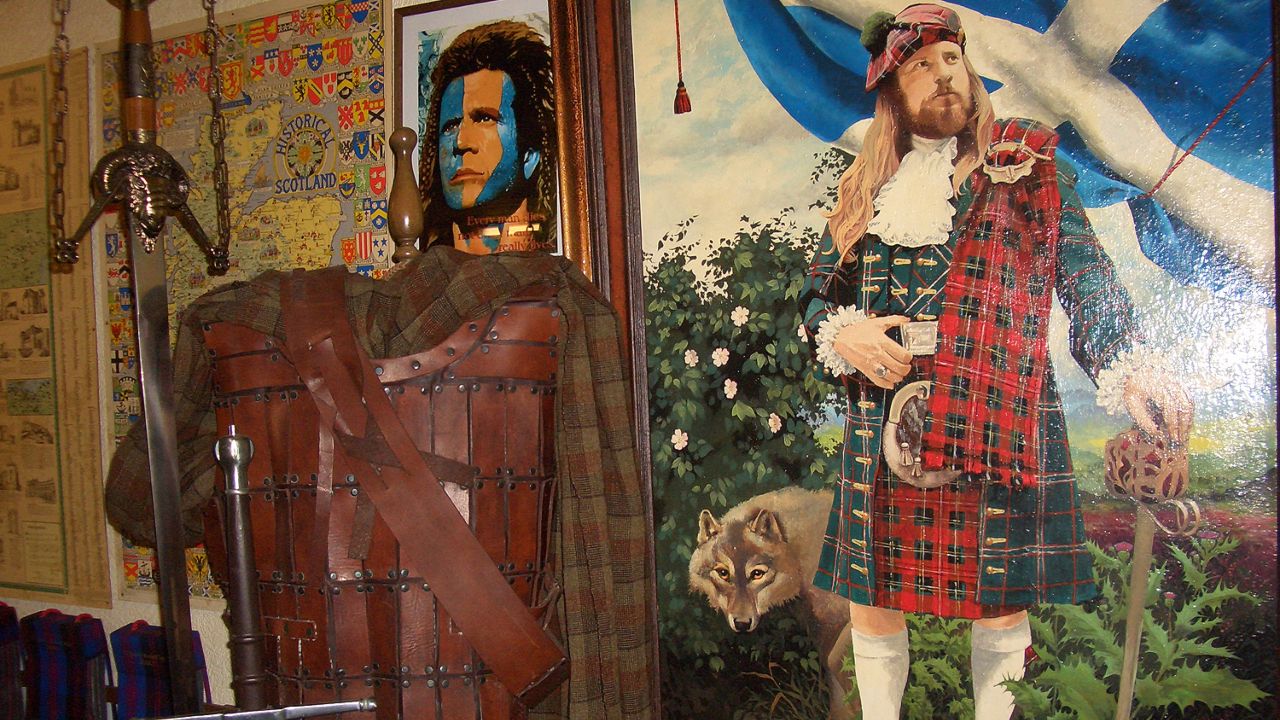
In the Scottish Highlands, tartan became a badge of identity. By the 17th and 18th centuries, patterns were linked to specific clans. Wearing a tartan could signal loyalty. Sometimes, even in defiance of political authority. To explore this further, read How Long Has the Tartan Prints Been Around?.
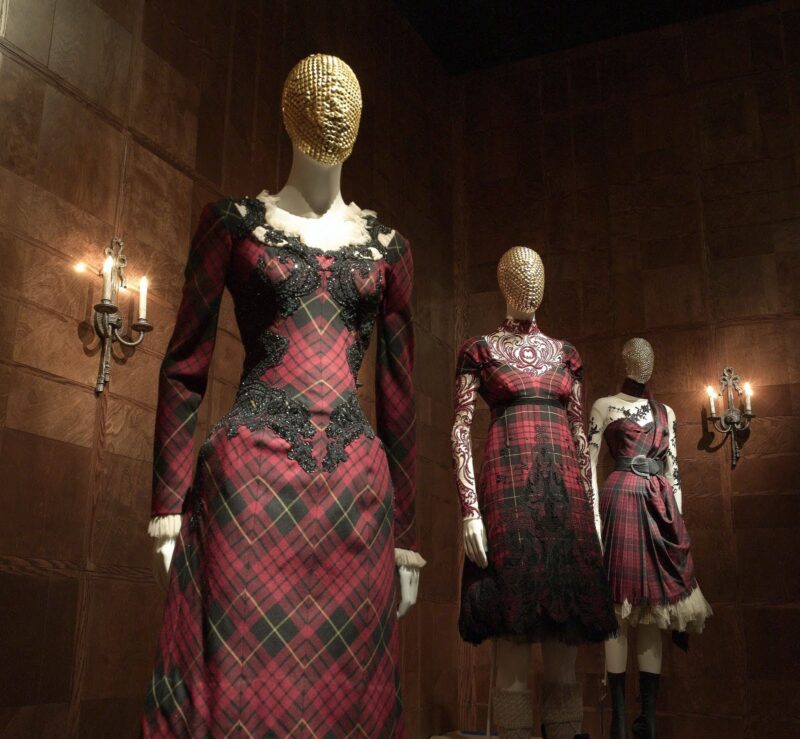
Types of Tartan Patterns
Modern tartans are grouped into several categories:
- Clan Tartans – Represent specific Scottish clans and are worn by members or those with ancestral ties.
- District Tartans – Linked to geographical regions rather than families.
- Commemorative Tartans – Created to mark special events or organisations.
- Fashion Tartans – Modern patterns used for style rather than heritage.
Some tartans are “universal” and open for anyone to wear, perfect for those who want to celebrate Scotland without a clan connection.
Iconic Tartans You Might Recognise
Certain patterns have become internationally famous:
- Royal Stewart – The royal family’s official tartan.
- Black Watch – A deep green, navy, and black pattern, historically military.
- MacLeod of Lewis – Bright yellow with black and red stripes—hard to miss.
If you’re thinking of adding tartan to your wardrobe, our How to Wear a Tartan Sash guide is a great resource.
Tartan in Culture, Ceremony, and Fashion
Tartan goes far beyond kilts. You’ll see it in shawls, scarves, home décor, and even haute couture. It plays a central role in weddings, ceilidhs, and the Highland Games.
In pop culture, tartan makes frequent appearances in historical dramas and films—our Kilts in Movies and Shows post covers some of the most memorable.

The Scottish Register of Tartans
Scotland maintains an official register documenting tartan designs, both historic and modern. This ensures that each new creation—whether for a clan, a region, or fashion—has its place in the country’s textile heritage.
Why Tartan Endures
Tartan’s appeal lies in its ability to be both deeply personal and widely shared. For some, it’s a family emblem; for others, it’s a celebration of Celtic heritage, much like Celtic stone carvings or the Claddagh ring.
Frequently Asked Questions About Tartan Patterns
1. What makes tartan different from plaid?
Tartan is a specific repeating pattern with cultural and historical meaning, while plaid is any checkered fabric without heritage ties.
2. How do I know which clan a tartan belongs to?
Each clan tartan has a distinct colour sequence. Compare it with the Scottish Register of Tartans or see our How Many Scottish Clans guide.
3. Can I wear a tartan if I’m not Scottish?
Yes. Many tartans are universal, and even clan tartans can be worn respectfully by anyone.
4. What’s the oldest tartan in Scotland?
The Falkirk Tartan, from the 3rd century AD, is the oldest surviving example—read more in How Long Has the Tartan Prints Been Around?.
5. How are tartans made?
They’re woven with coloured threads arranged in a set sequence, creating a mirrored grid when the pattern repeats.
6. Is tartan still popular today?
Absolutely. Tartan appears in traditional dress, modern fashion, and global design.
Tartan is more than fabric—it’s a living record of Scotland’s people, places, and history. Whether worn for heritage, celebration, or style, it continues to weave together the threads of identity and tradition.
For more on Celtic culture, visit our blog and discover the stories behind Scotland and Ireland’s enduring traditions.