
Scottish Woolen Hats: Timeless Warmth Woven with Heritage

Scotland’s windswept hills and moody skies have long demanded attire that balances warmth, resilience, and style. Few garments capture this spirit better than Scottish woolen hats, from the playful pom of the Tam o’ Shanter to the elegant lines of traditional bonnets. More than winter accessories, these hats are emblems of cultural pride, artistry, and craftsmanship passed down through centuries.
From the Highlands to the Loom: Origins of Woolen Hats
Wool has always been central to Scottish life. The hardy sheep grazing the Highlands produced fleece known for its warmth and durability. Communities spun and dyed this wool into fabrics that became staples of Highland wear—kilts, shawls, and, of course, hats.
The Tam o’ Shanter, perhaps the most iconic Scottish hat, traces its name to Robert Burns’ legendary poem Tam o’ Shanter. This hat’s distinctive round shape and pom-pom top became a hallmark of Scottish identity (read more about the Tam o’ Shanter here). Its design reflects not only functionality but also flair, a marriage of necessity and national character.
The Beauty of Craftsmanship
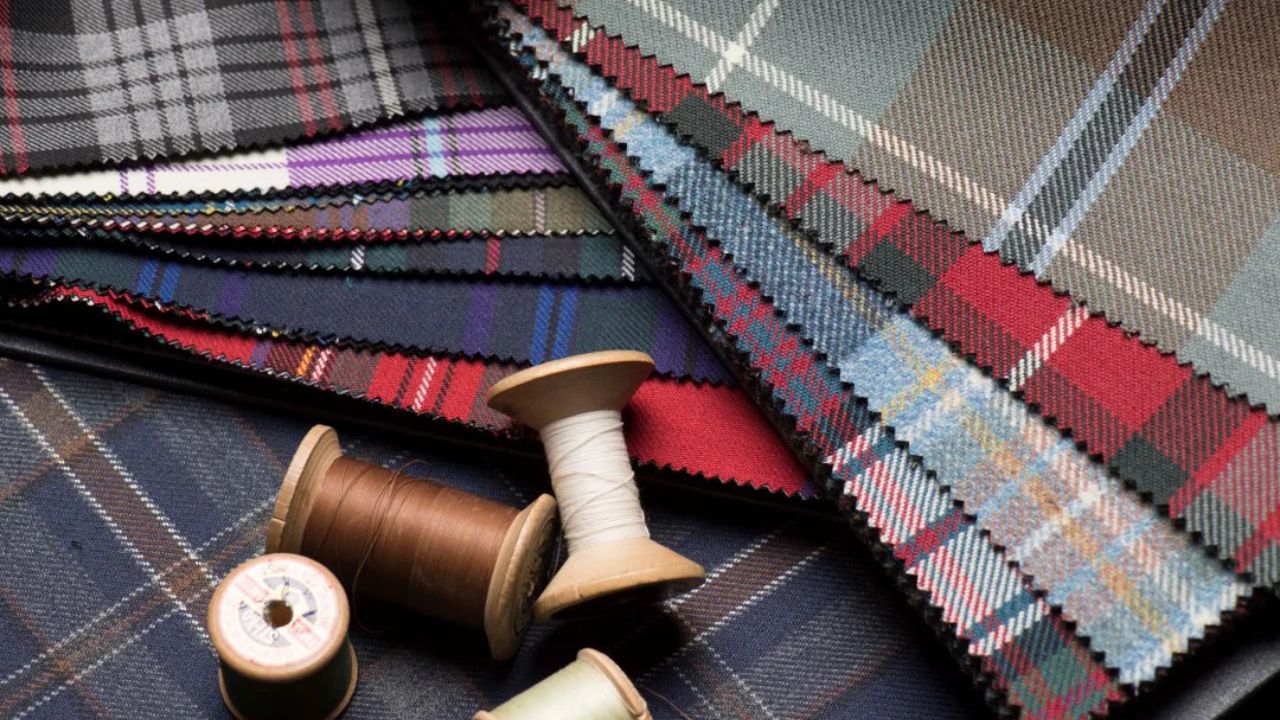
Scottish weavers have always taken pride in their skill. Hat-making, like tartan weaving, is an art form rooted in patience and precision. Local mills, particularly in regions such as the Borders and the Highlands, continue to produce hats made from 100% pure new wool.
Each hat reflects a commitment to both heritage and sustainability. The same dedication to detail found in Scottish tartan shawls and kilts is present in these hand-finished hats. The texture, color, and weave carry stories of place and people.

Beyond Function: Style and Symbolism
Scottish woolen hats were never just about warmth. They also spoke of belonging. The bonnet, for instance, often featured clan colors or ribbons, echoing the heritage found in tartan patterns. Each hue and weave carried meaning, symbolizing regional or familial ties.
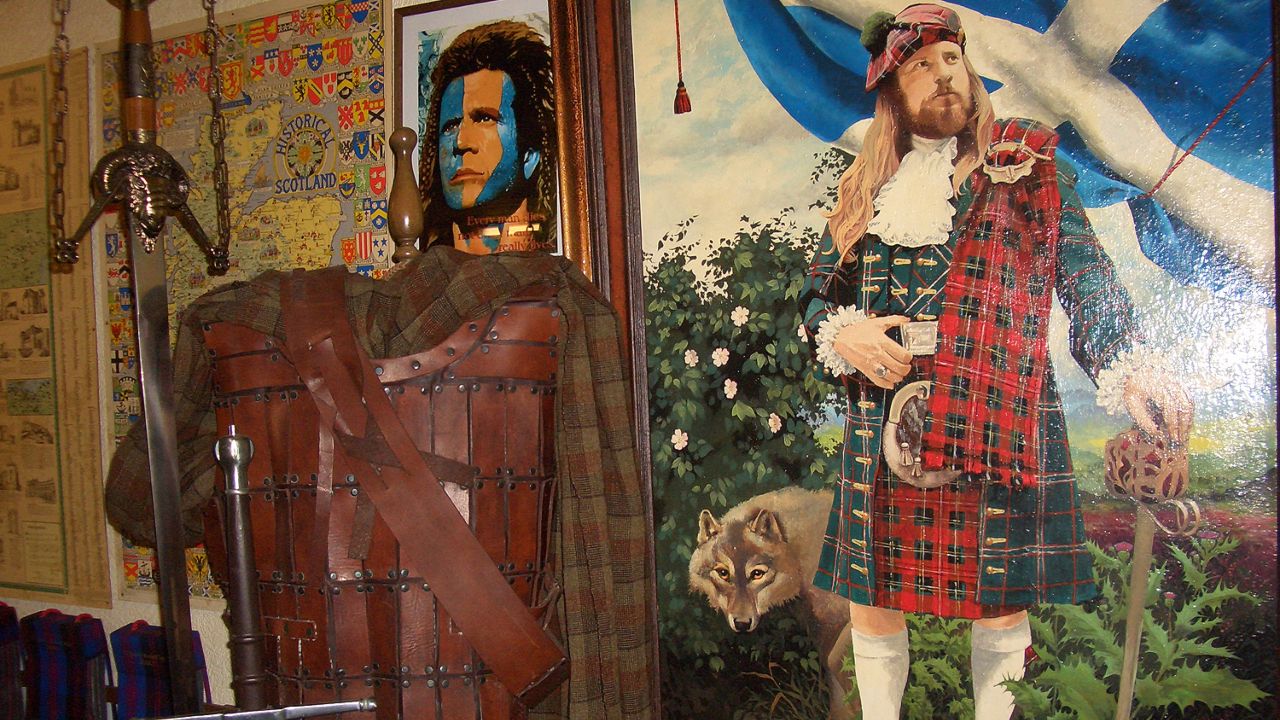
Today, the Scottish bonnet remains a popular choice for Highland dress, especially during cultural festivals and Highland Games events. Whether paired with a kilt or casual winterwear, it connects the modern Scotsman to his ancestral roots.

The Tam o’ Shanter: From Battlefield to Poetry
While the bonnet served as everyday wear, the Tam o’ Shanter gained cultural immortality through literature. Robert Burns’ 1790 poem turned a simple hat into a symbol of Scottish wit and resilience. Soldiers and farmers alike wore versions of it through the 18th and 19th centuries, valuing its snug fit and warmth during harsh winters.
Interestingly, the Tam evolved alongside the kilt and tartan as symbols of national pride, especially during the Romantic revival of the 1800s. Just as tartan prints became synonymous with Scottish identity, the woolen hat became an everyday emblem of enduring tradition.

Modern Revival of Woolen Hats
In today’s fashion world, Scottish woolen hats have made a comeback. They appear in designer collections and local craft fairs alike. Modern artisans blend traditional weaving with contemporary colors, appealing to both heritage enthusiasts and eco-conscious consumers.
Many local makers also use regionally sourced wool, supporting sustainable practices and rural communities, a modern echo of the crofters’ spirit (explore more on crofters’ lives here).
Whether you buy one in Edinburgh’s Grassmarket or a remote Highland village, each hat carries a trace of Scotland’s soul: resilience, creativity, and warmth.

Conclusion
Scottish woolen hats are more than mere winter wear, they are woven stories. Each thread ties together Scotland’s natural landscape, poetic tradition, and enduring craftsmanship. Whether it’s the Tam o’ Shanter’s cheerful pom or the bonnet’s classic shape, these hats remain timeless companions through Scotland’s changing seasons.