Celtic Bronze Age Treasures: Unearthing the Legacy of Ancient Craftsmanship

The Bronze Age marks one of the most fascinating chapters in Celtic history—a time when art, technology, and spirituality blended into breathtaking creations. From ceremonial torcs to intricately carved shields, Celtic Bronze Age treasures reveal the sophistication and imagination of early artisans who shaped the roots of Celtic identity.
The Dawn of Celtic Metalwork
Bronze working reached its peak across the Celtic lands between 2000 and 800 BCE. During this era, metalworkers refined their craft, producing tools, weapons, and ornaments that were both functional and deeply symbolic. The Celts were not just warriors; they were visionaries who viewed metal as a sacred medium—alive with the spirit of the earth and sky.
Their techniques; casting, hammering, and engraving show a level of skill that rivals modern craftsmanship. Every torc, pin, and sword carried meaning, whether it represented status, protection, or devotion to the gods.
Symbolism and Design in Bronze Treasures
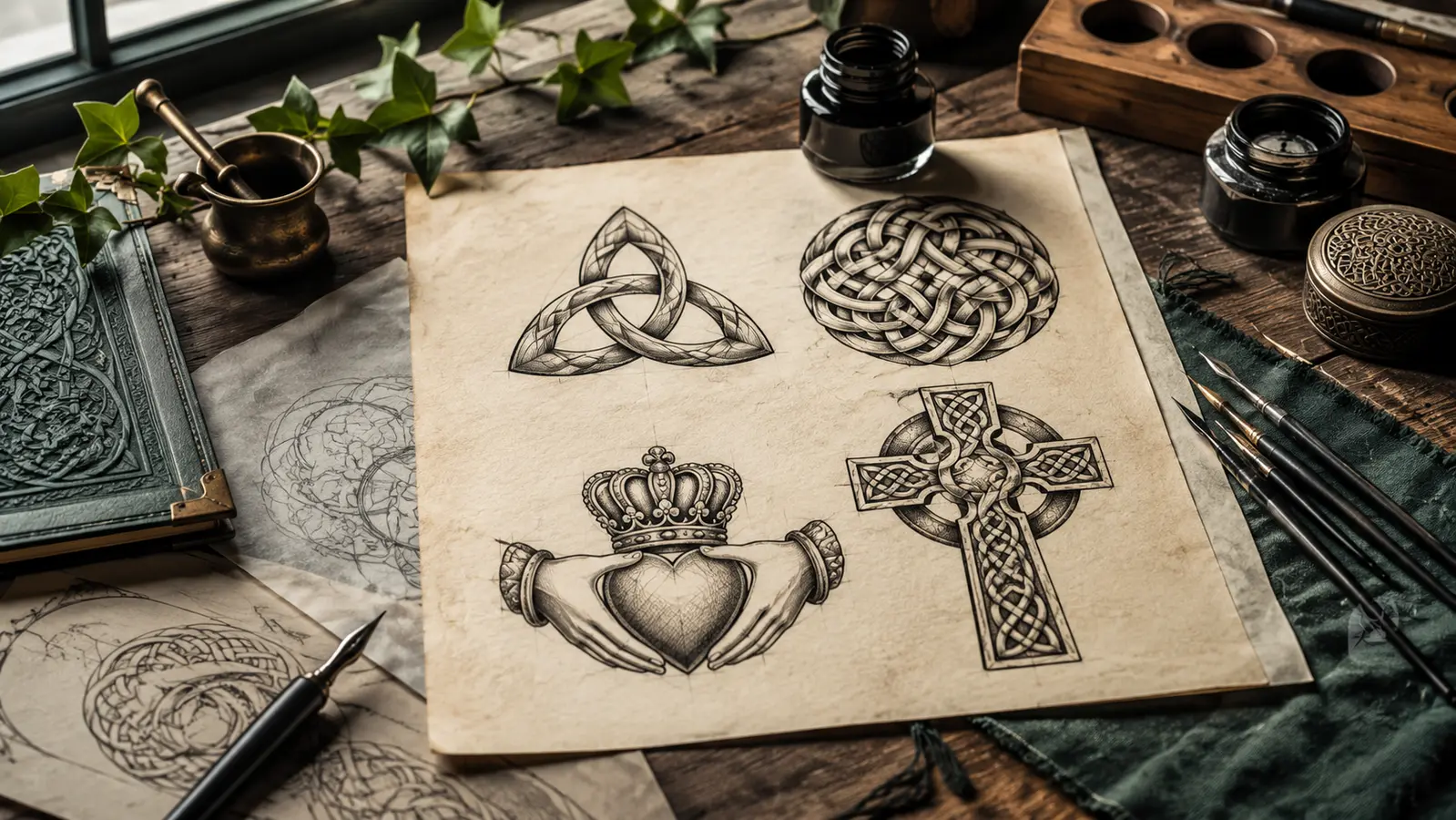
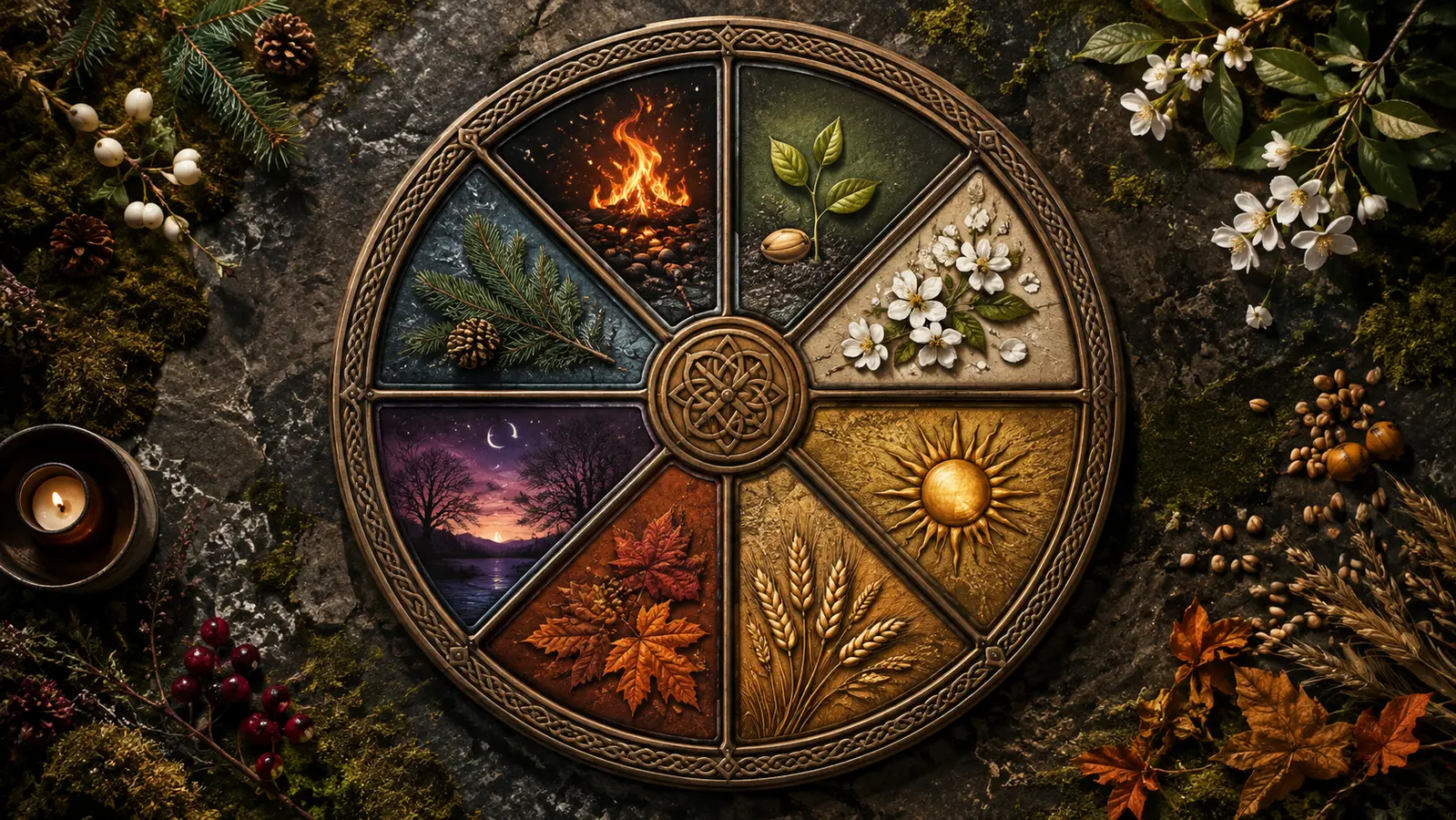
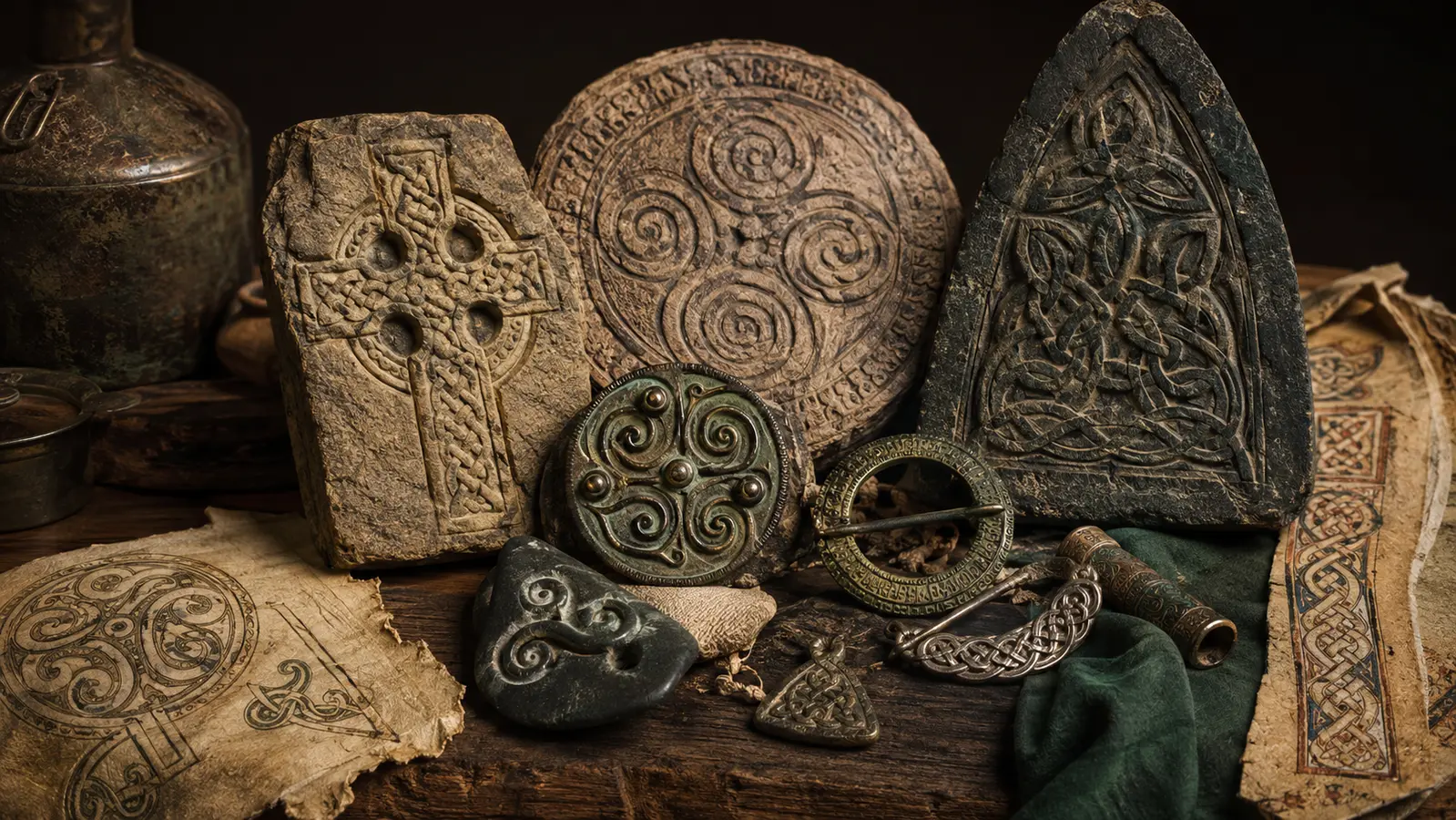
Celtic Bronze Age designs often included spirals, triskeles, and sun motifs—shapes that symbolized life’s cycles and the eternal rhythm of nature. The spiral, for example, reflected continuous growth and renewal, while circular shields mirrored the solar energy revered in Celtic cosmology.
The Celtic Sun God Lugh embodies this connection, representing light, craftsmanship, and skill—all qualities celebrated through these artifacts. The Celts infused divine purpose into daily life, and their metalwork reflected that union of art and spirituality.

The Torc: Power and Prestige
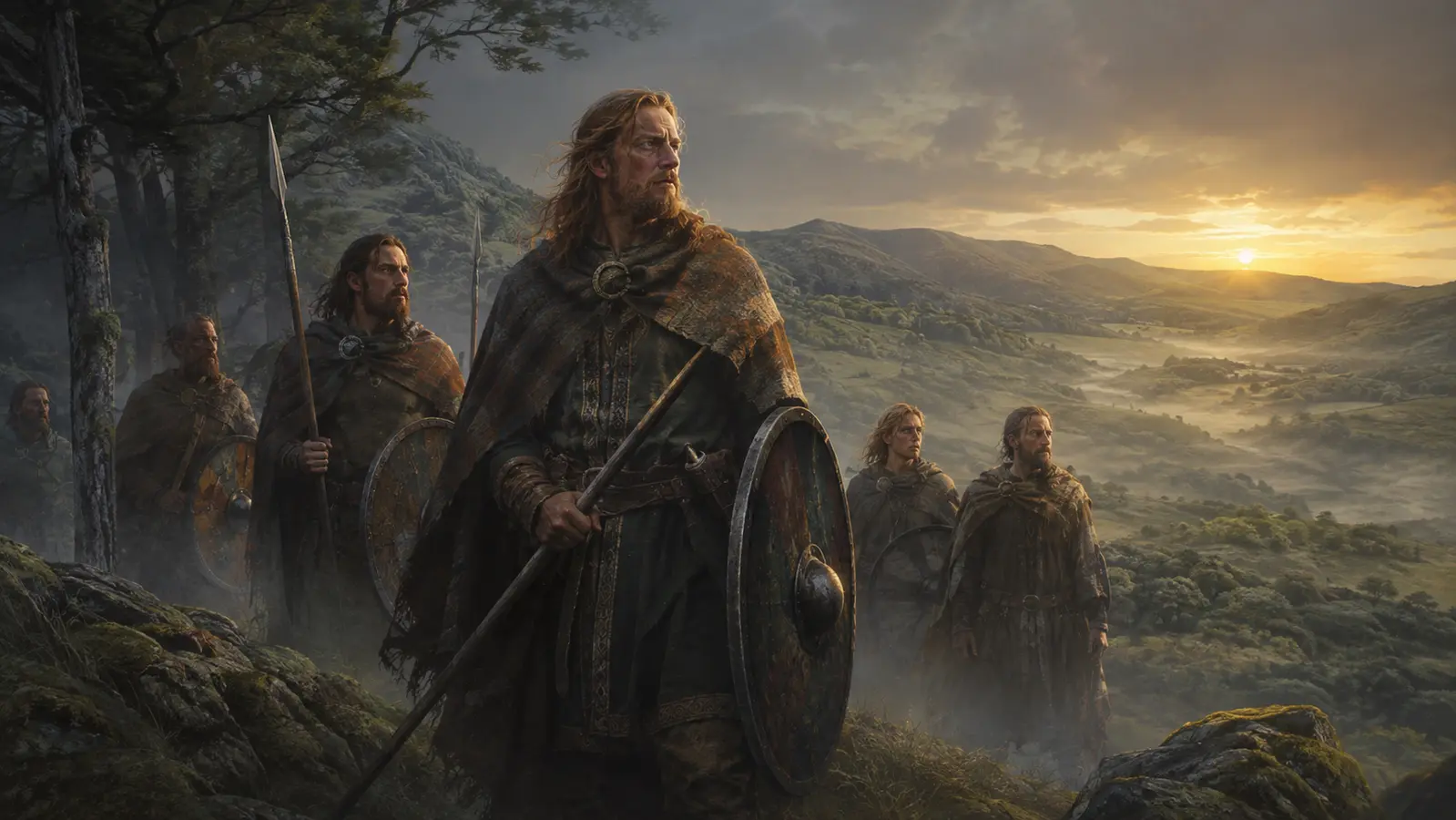
Among all Bronze Age artifacts, the torc stands as the ultimate emblem of Celtic identity. These rigid neck rings, often made of twisted bronze or gold, were worn by warriors and nobles as symbols of honor and divine favor. Archaeological finds across Ireland, Scotland, and Wales reveal torcs of astonishing variety—some heavy and ornate, others sleek and symbolic.
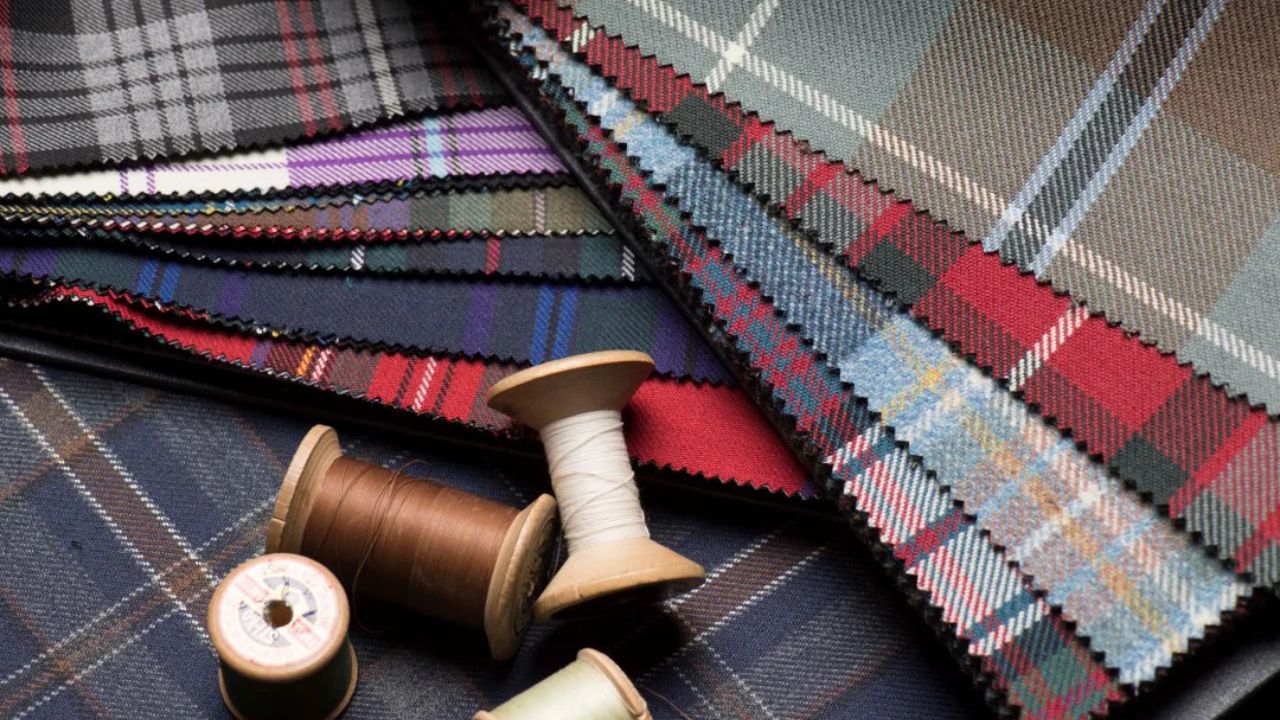
In many ways, the torc parallels the later significance of tartan in Scottish identity. Just as tartan patterns reflect clan heritage today (explore more on tartan history here), Bronze Age jewelry expressed lineage, power, and belonging.

Sacred Offerings and Hidden Hoards
Many Bronze Age treasures were not found in settlements but buried in bogs, rivers, or sacred landscapes. These were ritual offerings gifts to gods or ancestors. Sites like the Hill of Tara and other Celtic ceremonial grounds (discover more here) hold echoes of these ancient practices.
These buried treasures remind us that for the Celts, wealth was not about possession, it was about devotion. The shimmering bronze offerings reflected gratitude to the forces that governed their world.

Bronze Treasures as Storytellers
Every Celtic artifact tells a story. The engravings on shields narrate battles; the curves of jewelry echo mythic symbols found in Celtic stone carvings. Each object holds memory of artisans, rituals, and legends long past. These relics form a bridge between myth and material, much like the storytelling heritage still vibrant in Irish and Scottish culture (see why the Irish are natural storytellers).
Legacy and Continuity
Today, Celtic Bronze Age treasures inspire artists, historians, and designers across the world. Modern Celtic jewelry, artwork, and even textiles echo these ancient motifs. Just as the Celts blended beauty and purpose, contemporary creators carry forward that legacy of meaningful design and cultural pride.
To explore how Celtic craftsmanship evolved through time, visit the Art & Fashion and Mythology & Folklore sections of CeltGuide.
Conclusion
The Bronze Age treasures of the Celts are more than remnants of a distant past, they are symbols of imagination, reverence, and resilience. Each artifact whispers of a people who shaped metal into myth, and in doing so, forged a timeless legacy that still gleams across Celtic lands.