
Scottish Winter Wear (Fur-Lined Coats): Where Warmth Meets Highland Elegance

When winter descends on Scotland, the landscape transforms into a realm of frost-tipped glens and snow-dusted peaks. For centuries, Scots have met this chill not just with courage but with remarkable craftsmanship in their winter clothing. Among the most iconic garments to emerge from this tradition are fur-lined coats, a perfect blend of function, fashion, and folklore.
A Glimpse into Scottish Winter Fashion Heritage
Scottish winter wear reflects centuries of adaptation to a rugged, unpredictable climate. Highlanders needed clothing that could withstand icy winds, sleet, and snow. Fur-lined coats became essential, their origins tracing back to early Celtic and Highland societies, where animal pelts symbolized both warmth and status.
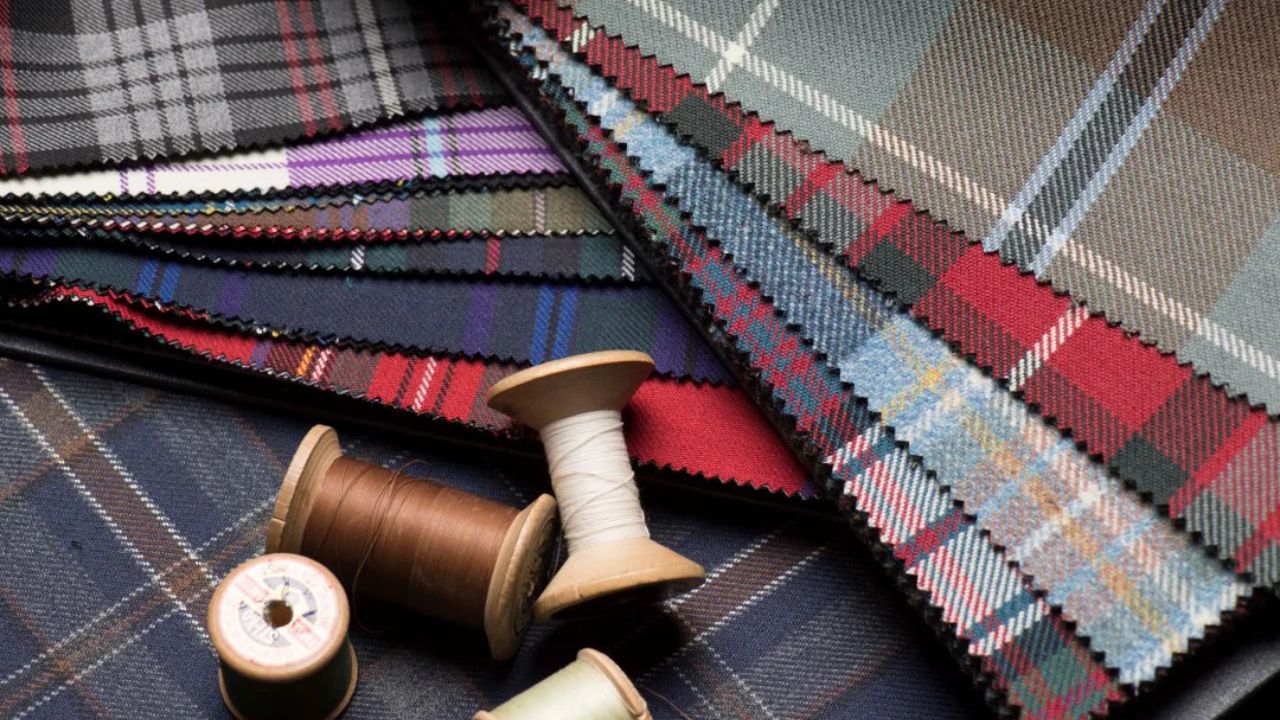
Like the tartan patterns that define Scottish identity, these coats carried regional variations, showcasing clan pride through subtle weaving patterns and trims. While today’s designs are refined and tailored, they still echo that ancient Highland resilience.
The Art of Crafting Fur-Lined Coats
What makes Scottish fur-lined coats so distinctive is their meticulous craftsmanship. Traditional weavers often combined wool, tweed, and fur trims, ensuring durability without sacrificing comfort. The lining—whether fox, rabbit, or faux fur was carefully selected to trap heat and add a touch of luxury.
Modern artisans have preserved these techniques while embracing sustainability. Many designers now use ethical or faux fur to honour Scotland’s commitment to nature without compromising its timeless style. You can still see this dedication to heritage in Scottish fashion festivals and bespoke tailoring houses.

From the Highlands to the City: Enduring Appeal
Once worn by Highland hunters and farmers, fur-lined coats are now a staple of Scottish urban winter fashion. In cities like Edinburgh and Inverness, you’ll spot both locals and tourists donning these elegant coats during winter festivals.
The Tartan influence remains strong, coats often feature patterned linings or cuffs, reflecting the same pride seen in traditional kilts and shawls. If tartan fascinates you, explore how it has evolved in Scottish Tartan Shawls.
Fur-Lined Coats in Celtic Symbolism
In Celtic culture, fur and wool carried symbolic meaning. They represented protection, endurance, and harmony with nature—qualities deeply tied to the Scottish spirit. Wearing a fur-lined coat was more than staying warm; it was a statement of belonging and respect for ancestral craftsmanship.
This symbolism aligns with many Celtic traditions explored on CeltGuide, such as the reverence for natural elements found in Celtic Oak Tree myths and the enduring artistry of Celtic stone carvings.

Where Heritage Meets Modern Elegance
Today’s Scottish designers continue to reimagine fur-lined coats for contemporary fashion. Whether paired with jeans or a traditional kilt, they embody Scottish practicality fused with Celtic grace. These garments tell a story of ancestors braving wild winters, of artisans weaving warmth into art, and of a nation that never loses its sense of style.
If you’re drawn to timeless craftsmanship and cultural storytelling, visit CeltGuide’s fashion and style section to explore more about Scottish and Irish attire. You might also enjoy reading about the Tam O’Shanter Hat—another winter icon that pairs beautifully with these historic coats.
Final Thoughts
Scottish fur-lined coats aren’t just about surviving winter, they’re about embracing it. They carry the whisper of Highland winds, the warmth of old firesides, and the enduring artistry of a people who understand that style and substance can coexist beautifully.
So, next time frost paints the windows, wrap yourself in the heritage of Scotland—one stitch, one story, one fur-lined coat at a time.