Scottish War Paint (Woad): The Blue Mark of Celtic Courage

Imagine warriors charging down rugged Highland slopes. Their skin streaked with fierce blue patterns. Their eyes locked on enemies. Wind blasts across the battlefield. The sight alone shakes the courage of anyone standing in their way. That image remains iconic in Scotland’s story. The deep blue war paint, often called woad, gave fighters a look that burned into history.
This bold tradition did far more than look dramatic. It told a story about identity, belief, and fearlessness.
Where Did This Blue War Paint Come From?
The colour came from a plant called Isatis tinctoria. People crushed and boiled its leaves into a paste that stained skin a dark blue. The process took skill and patience. It smelled strong. Yet warriors valued it because it lasted through sweat, rain, and battle.
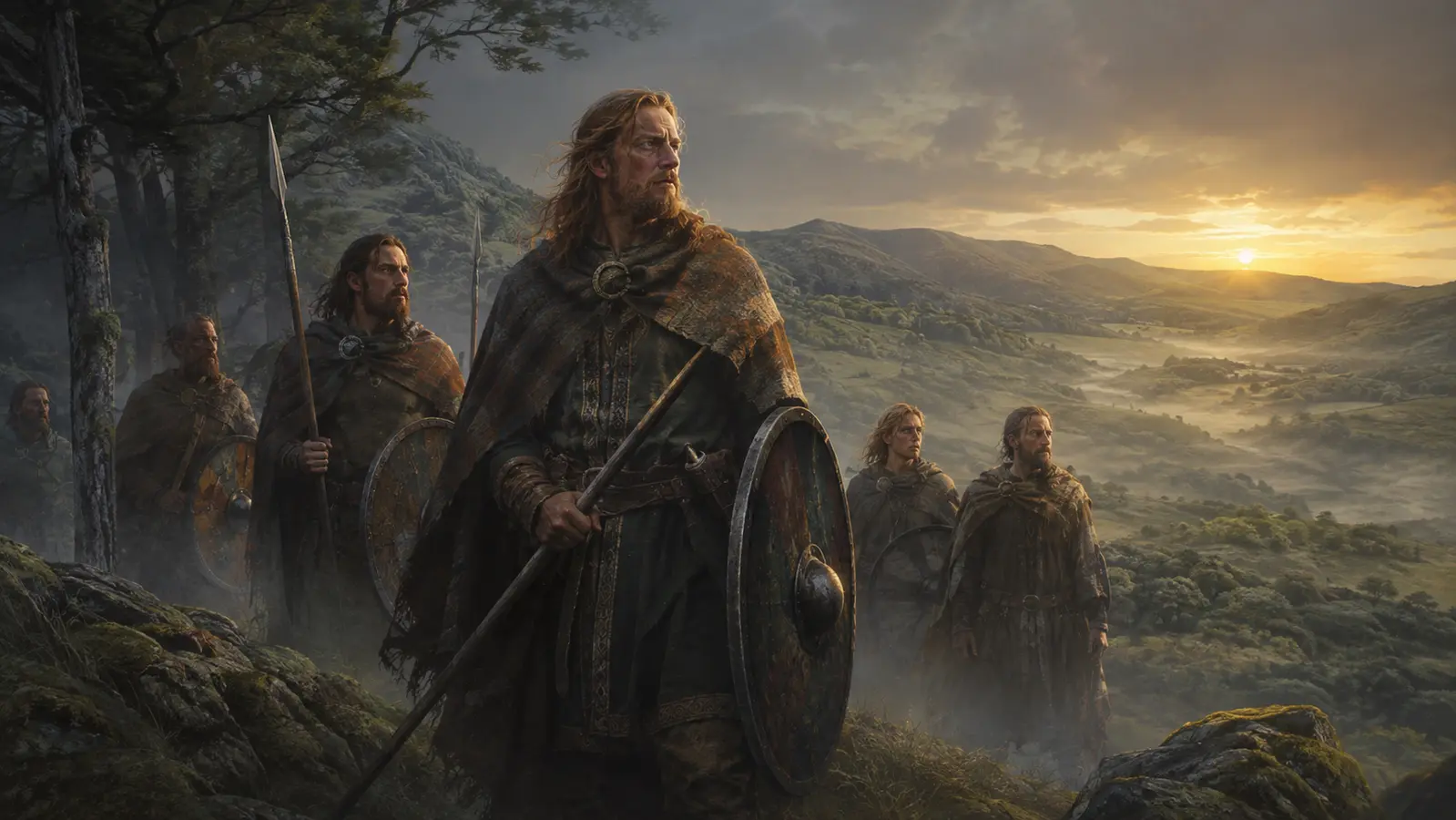
Early Roman accounts described tribes in what is now Scotland painting themselves before combat. Romans already feared the rugged Highland landscape. Facing fighters dyed like storm spirits amplified that fear.
Woad And The Picts: Fact, Memory, Or Myth?
The Picts, known for carved stones and fierce independence, often get credit for the most dramatic use of woad. Roman writers spoke about “painted people” to the north. Those descriptions lit the spark that grew into centuries of storytelling.
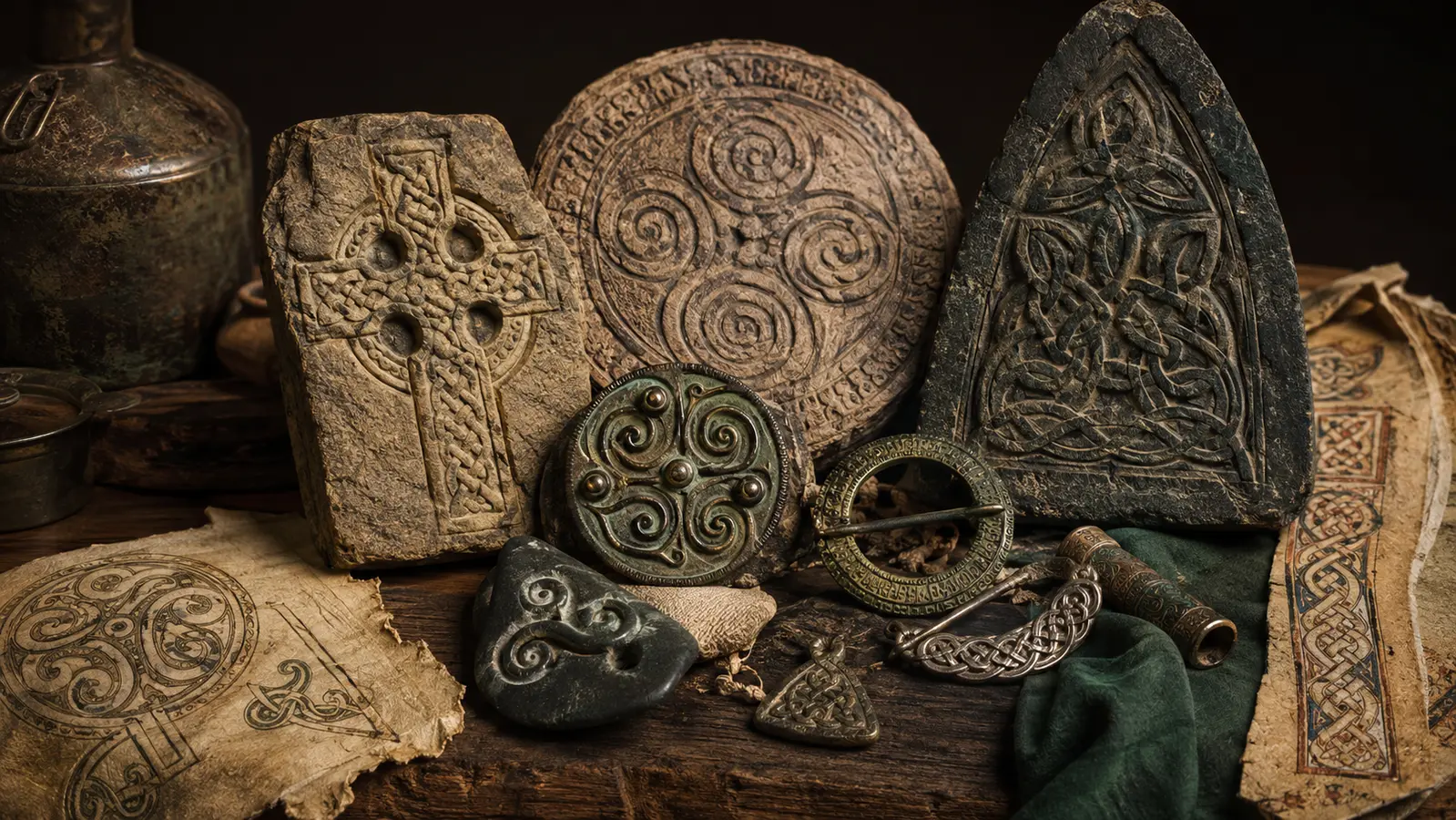
Curious about other ancient Celtic expressions? Explore how carving in stone shaped memory in our guide to Celtic Stone Carvings.

Did every fighter go into war fully painted? Probably not. Yet even limited use of blue made a massive psychological impact. When people believe a mark strengthens them, courage rises in the heart.
Why Woad? Symbolism On The Skin
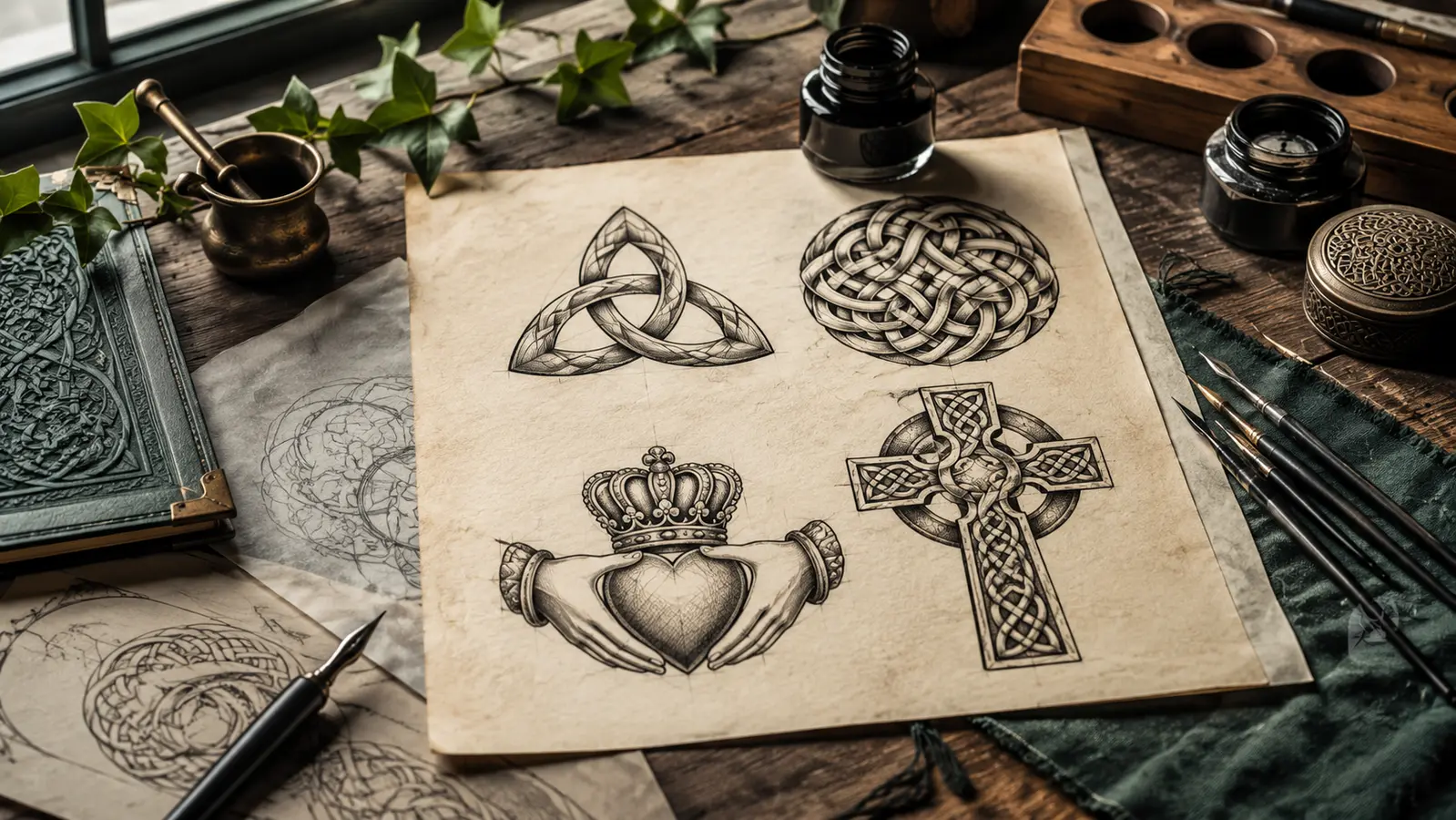
Warriors wanted enemies to see their confidence. The paint created a barrier between fear and action. Lines and spirals across the skin linked a fighter to land, ancestors, and gods. Those designs repeated Celtic symbols of strength and eternity.
Stories held power in these societies. That living storytelling tradition continues today. Dive deeper into the Celtic love of narrative in our feature: Why Are Irish People Natural Storytellers?.
Some believed the paint blessed the flesh. Others said it helped protect warriors from harm. Myth and morale joined forces on the battlefield.
Woad As Theatre: Psychology In War
Blue bodies shocked Roman soldiers. They struggled to understand the enemy in front of them. Intimidation works. Confidence wins battles before swords ever clash.
Music played a role too. War cries and pounding rhythms set the mood. The same energy still pulses through Celtic tunes like the powerful bodhrán drum.

Woad paint turned each warrior into performance. The battlefield became a stage. Only the brave entered it.
Woad In Modern Scottish Identity
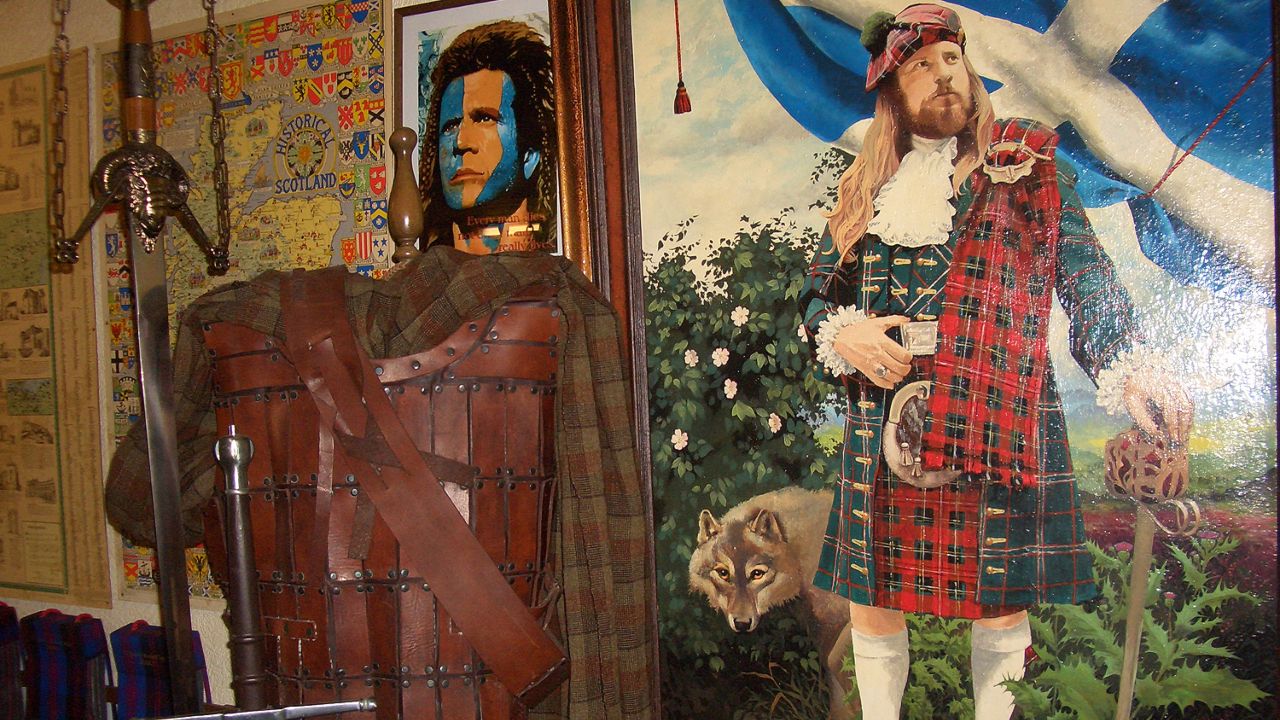
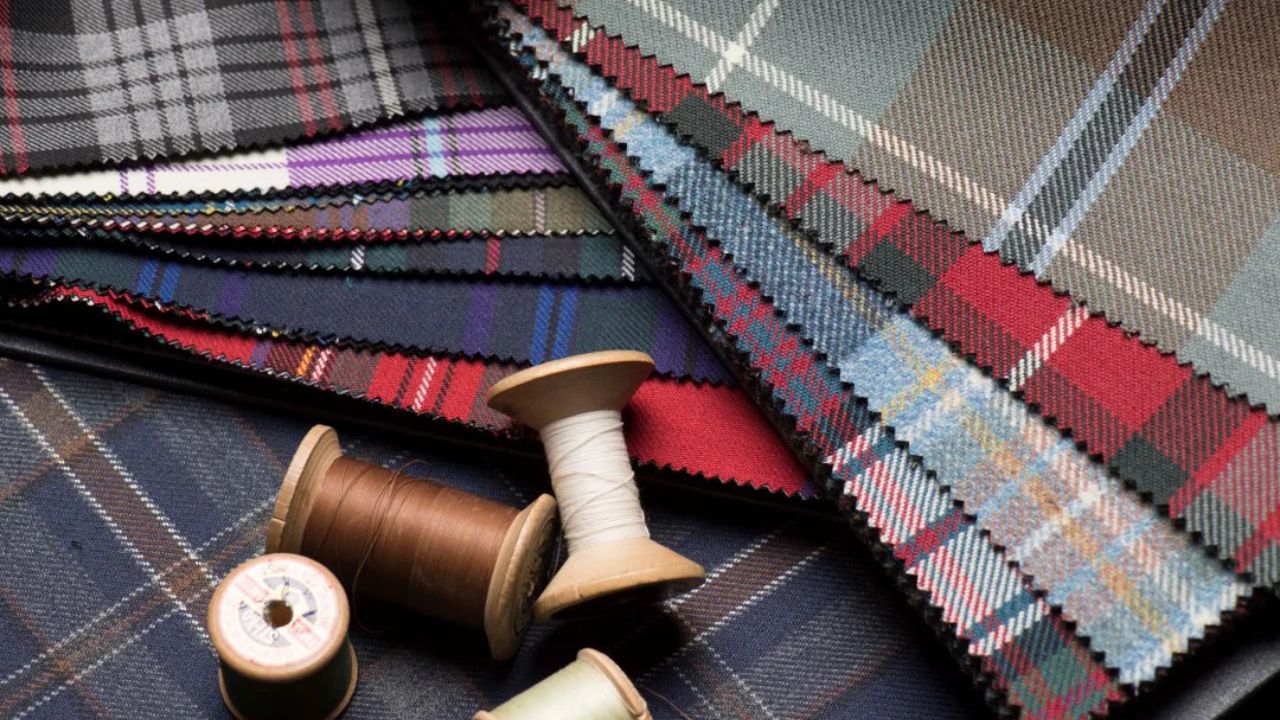
Today, people see woad in Highland art, reenactments, and film. The imagery still sparks excitement. Just like tartan remains a visible sign of heritage, which you can explore more in our article on what tartan means.
Kilts often join that storytelling too. Curious how wearing a kilt connects to Scottish tradition? See our breakdown: Do Irish Wear Kilts?
Woad stays part of Scotland’s cultural imagination because it stands for bravery. Not just in war. In spirit.
Final Thoughts
Blue war paint did not only mark bodies. It marked history. It reminded everyone that Scotland’s ancestors confronted great empires with pride in their hearts and symbols of power on their skin. The colour told enemies: “We protect our land. We protect our people.”
There is always more to discover in Celtic heritage. Continue the adventure through the full CeltGuide Blog and walk deeper into legend.