

Scottish Tartan Sash: Style, Meaning, and Tradition

Few garments carry story, memory, and identity quite like the Scottish tartan sash. When someone drapes one across the shoulder, they don’t just accessorize an outfit. They join a living conversation with history, clan loyalty, and regional pride.
And yes, that story still matters today.
If you already know a little about tartan, you might have explored how patterns evolved through time in our guide on what tartan really is. The sash builds on that legacy, while giving women and now anyone, a graceful way to wear heritage proudly.
What Exactly Is a Tartan Sash?
A tartan sash is a long strip of cloth, usually worn over one shoulder and pinned near the hip. Traditionally, women wore it to show clan affiliation, especially during gatherings, weddings, and Highland celebrations.
Unlike kilts, the sash feels lighter and more fluid. It frames the dress, and moves when you walk. It signals belonging without dominating the entire outfit.
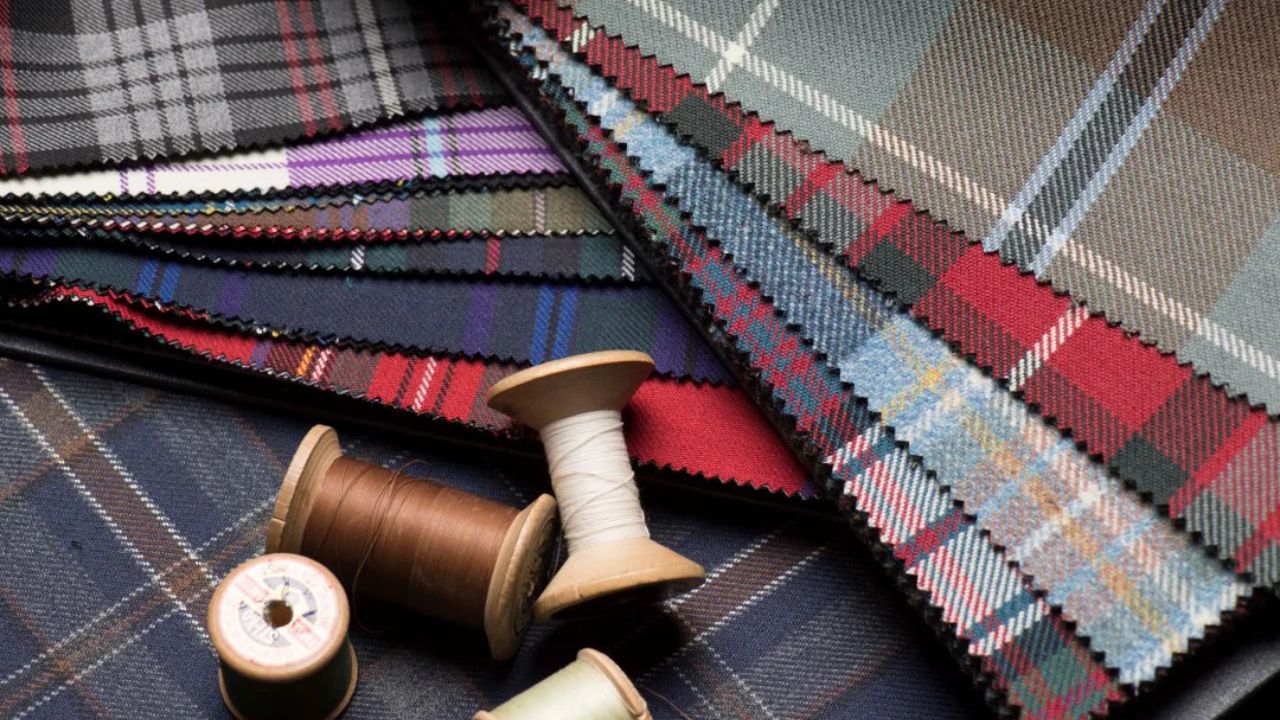
And because many clans used distinct patterns, the tartan sash quietly answered a social question:
“Who are your people?”
Where the Sash Comes From
Scottish dress evolved alongside clan culture, Highland warfare, and community ceremony. Garments weren’t decorative first — they served function, identity, and survival.
Over time, as Highland wear shifted from battlefield practicality to ceremonial pride, the tartan sash emerged as a respectful, feminine alternative to the kilted look.
If clan culture fascinates you, you may enjoy reading more about how many Scottish clans there actually are, it gives context to why tartans matter so deeply.
How to Wear a Scottish Tartan Sash (Simply and Gracefully)
There are several ways to drape a sash, depending on region, occasion, and personal preference. A popular method places it over the left shoulder and fastens it at the right hip with a brooch.
For step-by-step help, our guide on how to wear a tartan sash walks through options clearly and visually.
Clan Identity Meets Modern Style
What feels remarkable today is its versatility. You see tartan sashes at:
- weddings and ceilidhs
- cultural festivals and Highland Games
- university graduations
- heritage tourism events
- everyday fashion with a meaningful twist
Heritage evolves, yet the sash stays grounded in story. This is the same cultural resilience you notice when exploring why Irish people are natural storytellers. Narrative threads hold communities together — textiles participate in that storytelling.
Choosing the “Right” Tartan
Some wear a sash that reflects ancestral lineage. Others select patterns tied to regions they love. And some choose purely for beauty and color harmony, which is perfectly valid.
If tartan history intrigues you, the evolution of patterns across centuries is covered beautifully in our article on how long tartan prints have been around.
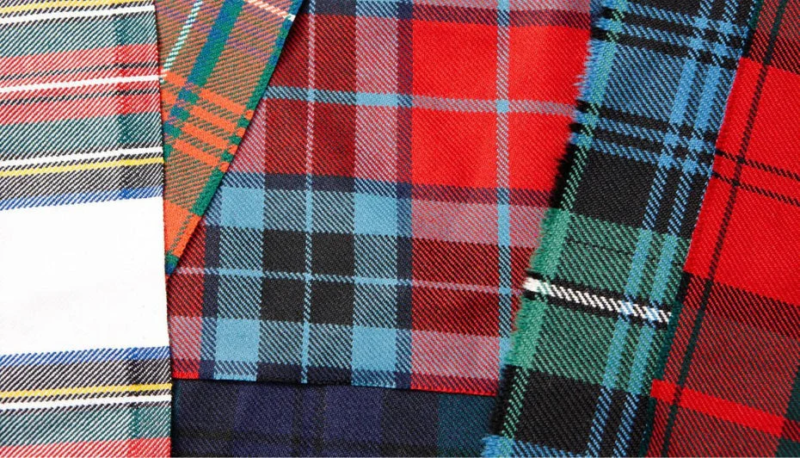
Tartan Sash vs. Shawl — Not Quite the Same
A tartan sash drapes narrower and stands symbolic first.
A tartan shawl offers warmth, coverage, and more fabric play.
If shawls interest you, explore their elegance in Scottish tartan shawls, they tell a parallel textile story.
Why the Tartan Sash Still Captivates Us
I’ve studied heritage dress for years, and the tartan sash always strikes me as the perfect balance between identity and aesthetics. It honors the past without freezing it. It adapts to ceremony, fashion, and memory.
Most of all, it invites participation. Anyone can drape one, learn its story, and step into a shared cultural rhythm.
For deeper journeys into Celtic culture, the CeltGuide blog offers pathways across music, myth, landscapes, and clothing traditions. Heritage isn’t locked away, it keeps breathing through things as simple as a ribbon of patterned cloth.