
Scottish Smallpipes: The Soft Voice of Highland Tradition
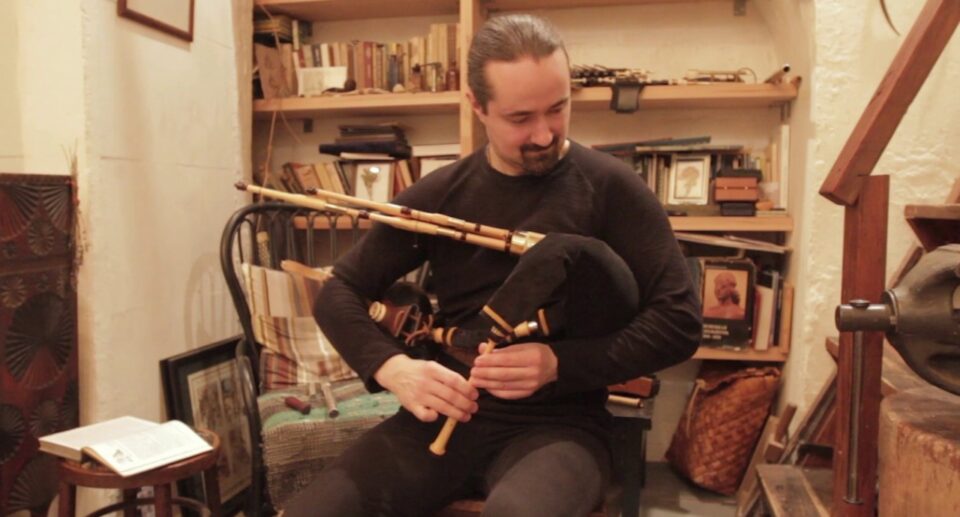
When you think of Scottish music, the powerful sound of the Great Highland Bagpipes likely comes first. Yet, tucked within Scotland’s musical story lies a gentler voice, the Scottish Smallpipes. These graceful instruments carry the same Highland soul but speak it in softer tones.
Unlike their outdoor counterparts, smallpipes were made for hearths and halls. Their soothing melodies filled gatherings where people shared stories, laughter, and warmth.
Origins of the Scottish Smallpipes
The Scottish Smallpipes trace their roots to the Lowland bagpipes of the 18th century. Created for indoor performance, they offered a refined version of the louder Highland pipes.
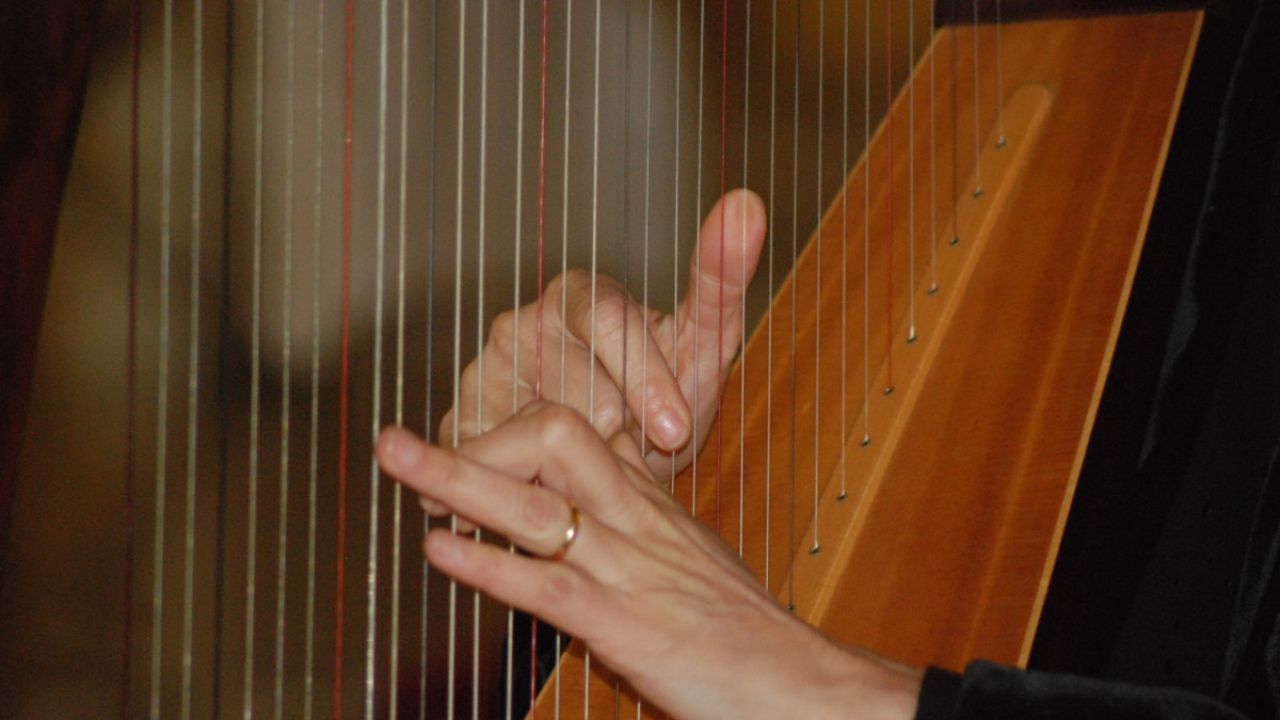
While Highland bagpipes rallied soldiers and echoed across glens, smallpipes charmed listeners by the fireside. They became a staple of ceilidh nights, where musicians blended their sound with fiddles, flutes, and harps, much like those featured in Ceili Bands.

Design and Sound: Subtle Yet Soulful
Smallpipes are bellows-blown, not mouth-blown. The piper pumps air with a small arm-operated bellows, which keeps the tuning stable and allows for longer playing.
The sound they create is soft, melodic, and warm, a gentle hum that feels personal. Their lower pitch and steady tone make them ideal for intimate performances.
Each smallpipe includes a chanter, three drones, and a bellows. Together, they produce a sound that feels as timeless as the mist over the Highlands.

Cultural Revival and Modern Popularity
For a time, the smallpipes nearly vanished, overshadowed by the Highland bagpipes. But during the 20th-century folk revival, Scottish musicians rediscovered them.
Pipers like Hamish Moore and Fred Morrison reintroduced smallpipes to modern audiences. Their performances blend traditional tunes with contemporary compositions, proving that Scottish music evolves while keeping its roots strong.
To explore another Celtic instrument that survived through centuries, read about The Bodhrán Drum.
The Smallpipes in Scottish Identity
The Scottish Smallpipes hold more than music, they carry memory. Each note connects players and listeners to the heart of Scotland’s past.
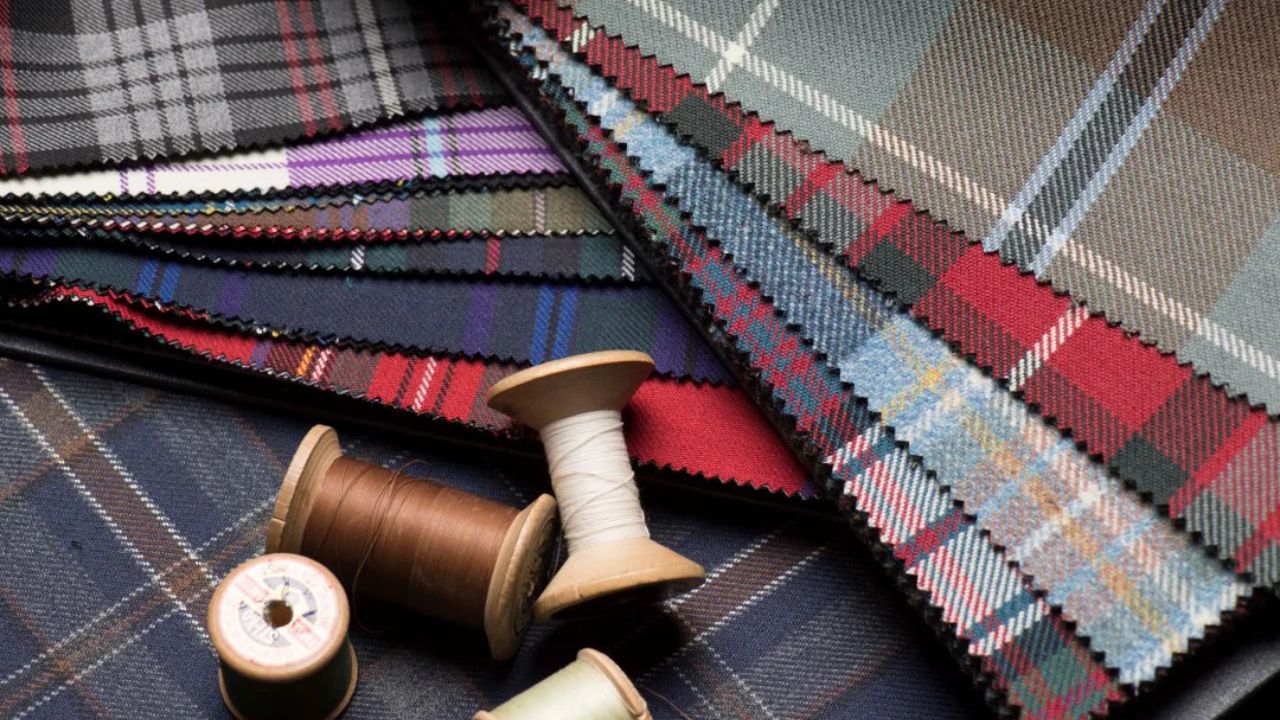
Just as Tartan patterns reflect family and clan identity, smallpipes express the musical heritage of Scotland. Their soft tone tells stories of home, kinship, and belonging.
They remind us that not all traditions roar; some whisper and those whispers often last the longest.

How Smallpipes Differ from Highland Bagpipes
| Feature | Scottish Smallpipes | Great Highland Bagpipes |
|---|---|---|
| Air Supply | Bellows-blown | Mouth-blown |
| Volume | Soft and mellow | Loud and bold |
| Setting | Indoor, intimate | Outdoor, ceremonial |
| Tuning | Stable, lower pitch | Variable, higher pitch |
| Use | Folk gatherings | Parades, events, and ceremonies |
Both instruments share Scotland’s musical DNA. The Highland pipes command the landscape, while the smallpipes comfort the soul.
Want to complete your Scottish look? Learn How to Measure for a Kilt.
Conclusion: A Living Legacy
The Scottish Smallpipes are proof that Scotland’s heritage doesn’t need to shout to be heard. Their calm, steady tones have survived centuries of change, connecting past to present in every note.
Whether played solo by the fire or in harmony with fiddles and harps, smallpipes remain one of Scotland’s most heartfelt voices, a gentle reminder of the music that binds a people to their land.
For more on Celtic music and culture, visit our Music & Dance section.