Irish Love for Horses and Equestrian Sports

Ireland’s bond with horses is ancient, heartfelt, and enduring. From the windswept hills of Connemara to the green meadows of Kildare, the horse is more than a companion, it is part of the Irish spirit. Horses have carried warriors, worked farms, inspired legends, and raced for glory. Today, they continue to symbolize pride, freedom, and grace in Irish culture.
Ancient Roots: The Horse in Celtic Tradition
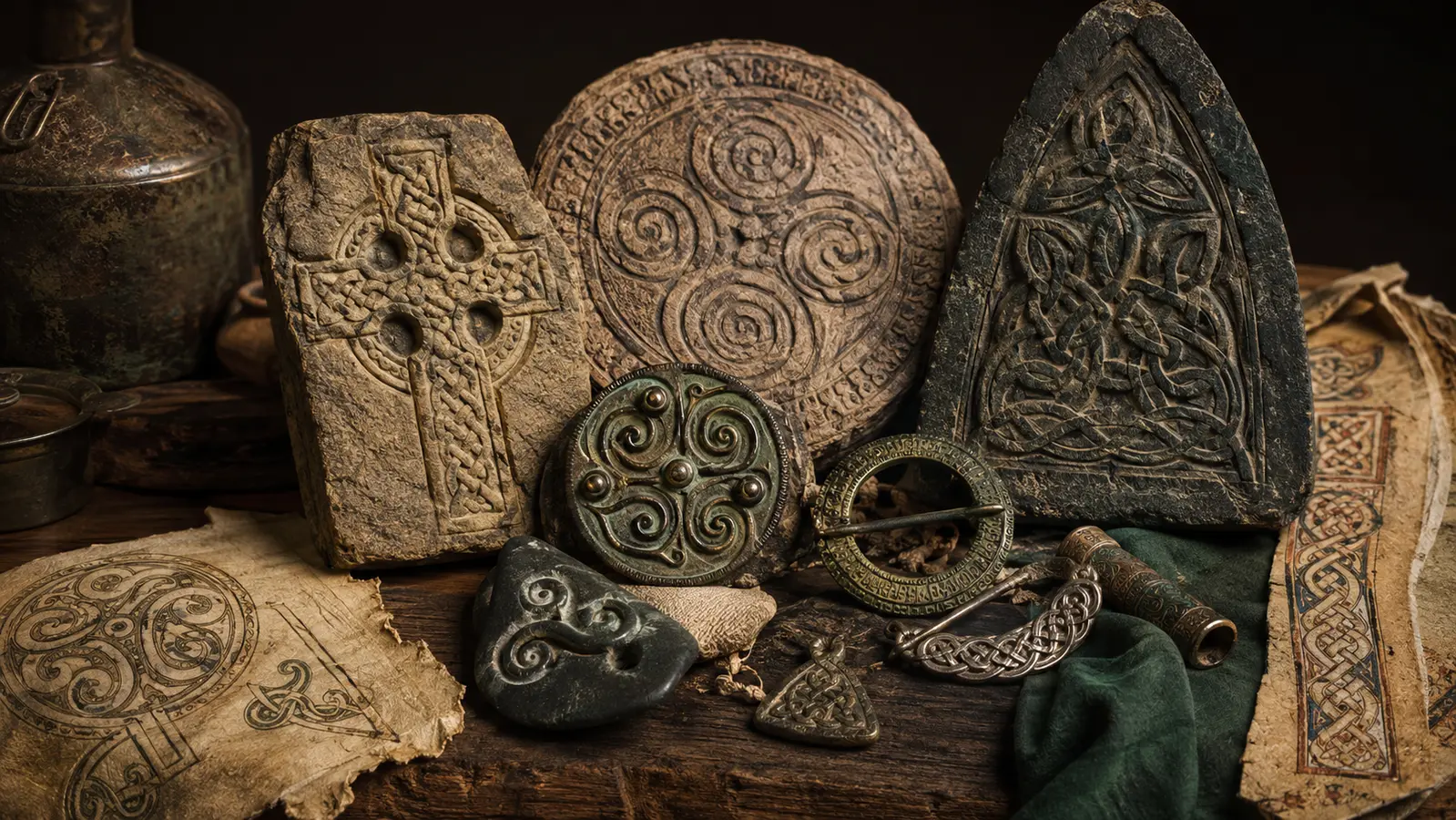
The Celtic peoples revered the horse as a sacred creature. In ancient Irish mythology, the goddess Macha, one of the Tuatha Dé Danann, was closely linked to horses and speed. Her name even became part of Emain Macha, the ancient capital of Ulster. Horses represented power, nobility, and connection to the divine.
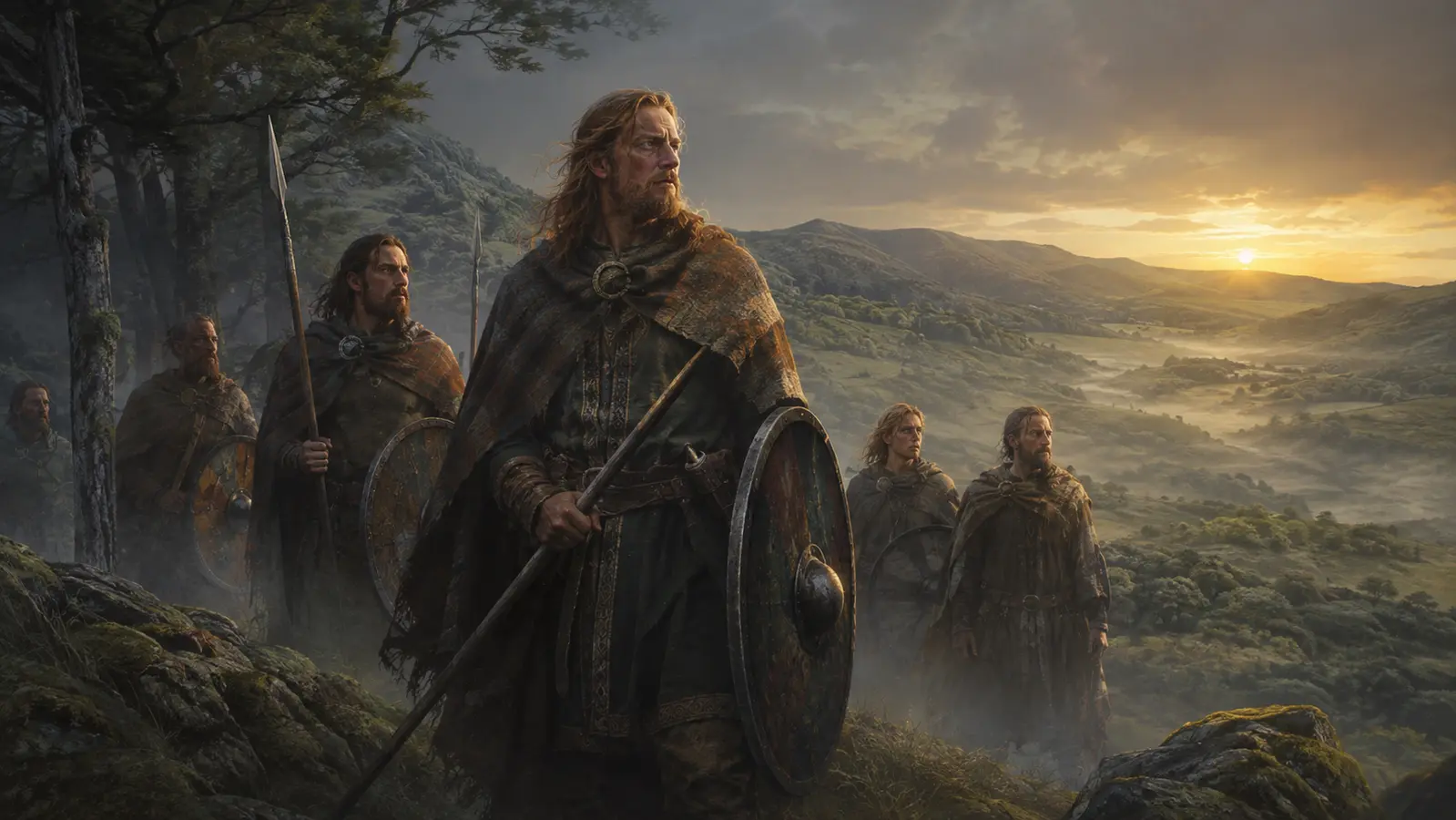
Celtic warriors rode into battle on chariots pulled by spirited steeds, their bond with the animals both practical and spiritual. You can read more about Celtic mythic figures and symbols in our post on Celtic Sun God Lugh, another key deity associated with skill and mastery.

From Field to Festival: Horses in Rural Ireland
For centuries, horses were the backbone of Irish rural life. They plowed fields, pulled carts, and carried goods across rugged terrain. But beyond their labor, they were family. Farmers took pride in breeding strong, intelligent animals that mirrored their own endurance.
Seasonal fairs and gatherings like the famous Ballinasloe Horse Fair celebrated this deep connection. These events weren’t only for trade; they were social and cultural milestones, filled with music, laughter, and storytelling, a tradition as old as Ireland itself.
To understand this storytelling heritage, explore our blog on Why Irish People Are Natural Storytellers.
Irish Breeds: A Legacy of Strength and Beauty
Ireland’s native horse breeds are admired worldwide. The Connemara pony, native to County Galway, is known for its stamina and gentle temperament. The Irish Draught, powerful yet elegant, forms the foundation for many sport horses used in show jumping and hunting.
Each breed tells a story of survival and adaptability traits the Irish hold dear. The success of these breeds in international arenas mirrors Ireland’s quiet but determined influence on global equestrian culture.

Equestrian Sports: The Modern Irish Passion
Equestrianism isn’t just a pastime in Ireland, it’s a national pride. The Curragh Racecourse in County Kildare is the beating heart of Irish horse racing. The thrill of the race, the community spirit, and the centuries-old traditions make events like the Irish Derby moments of collective celebration.
Irish jockeys, trainers, and breeders are among the best in the world. Their success at Cheltenham, Ascot, and other prestigious venues proves that the Irish passion for horses continues to thrive on the international stage.

Horses in Irish Folklore and Symbolism
Horses appear throughout Irish folklore as noble and mystical beings. Legends tell of magical horses like Enbarr of the Flowing Mane, who could run across land and sea. These tales capture Ireland’s fascination with freedom, loyalty, and courage, the same traits seen in its people.
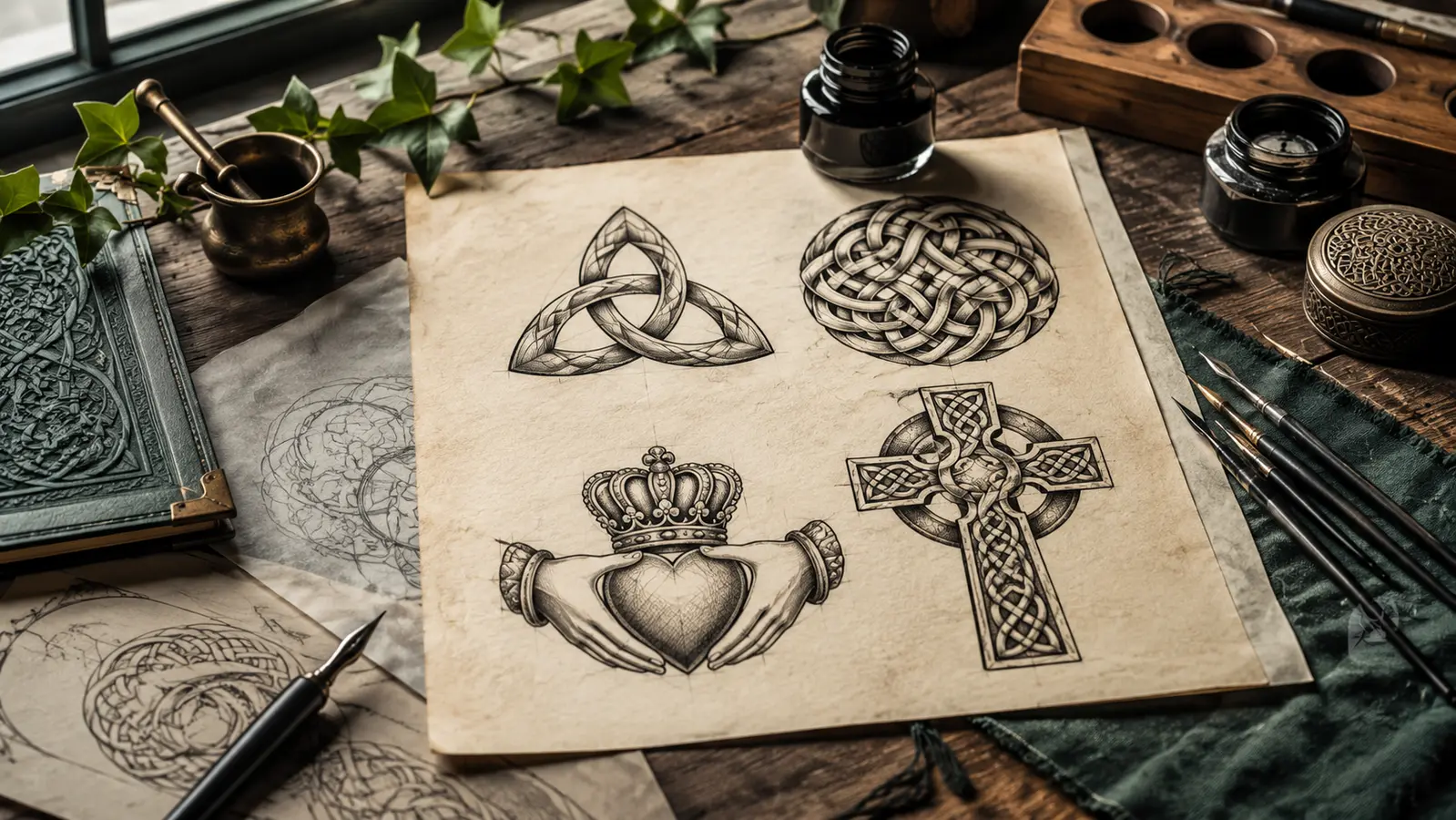
Horses often serve as symbols of transformation, much like the Claddagh Ring, which represents love, loyalty, and friendship. In both symbols, one finds the timeless Irish ability to weave beauty into everyday life.
A Living Heritage
Whether galloping across emerald hills or parading at a fair, the horse remains a living emblem of Ireland’s heritage. In every hoofbeat echoes centuries of partnership between human and animal—a dance of trust, respect, and shared destiny.
To dive deeper into other timeless Irish traditions, explore CeltGuide’s Culture and Tradition section, where the past continues to inspire the present.

Conclusion
The Irish love for horses isn’t a relic, it’s a living tradition. It bridges myth and modern sport, the sacred and the everyday. To love horses in Ireland is to understand the country’s heart: strong, soulful, and forever in motion.