
Scottish Marching Pipe Bands: Tradition, Music & Identity
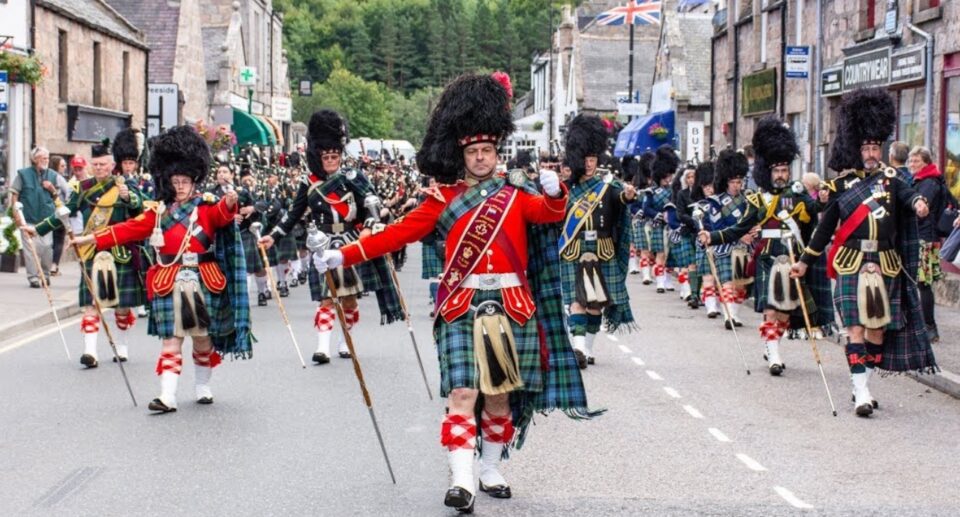
Few sounds define Scotland as instantly as the rising wail of the Great Highland bagpipe. When that sound blends with the steady beat of drums and the rhythmic precision of a marching formation, something unforgettable happens. Scottish Marching Pipe Bands carry more than music—they carry identity, memory, and centuries of cultural endurance.
If you enjoy exploring Celtic traditions like the deep storytelling nature of Gaelic culture in Why Are Irish People Natural Storytellers?, you’ll find that pipe bands belong to the same world of rhythm, story, and heritage.
What Makes a Scottish Marching Pipe Band Unique?
A Scottish marching pipe band usually includes three main musical sections:
- Pipers who play the Great Highland bagpipes
- Snare drummers who carry complex rhythmic patterns
- Tenor and bass drummers who add weight, depth, and visual flair
Together, they create a sound that blends melody with a strong, ceremonial beat. Every part works in unison, and every member marches with disciplined precision. Because of this structure, pipe bands feel both musical and martial, a balance that reflects centuries of Scottish cultural memory.
The Origins of Pipe Bands in Scotland
Pipe bands grew from military roots. The Highland regiments used bagpipes and drums to inspire troops, signal commands, and maintain marching rhythm. Over time, communities began forming civilian pipe bands that performed at local gatherings, Highland Games, and national ceremonies.
To understand how deeply this tradition runs, it helps to look at the foundation of Scottish identity, something we explore in How Many Scottish Clans Are There?. Clan culture, tartan patterns, and music often intersect, and pipe bands carry these connections forward with pride.
By the 19th and early 20th centuries, pipe bands had become symbols of local pride across towns, islands, and Highland communities.
The Role of Tartan and Highland Dress
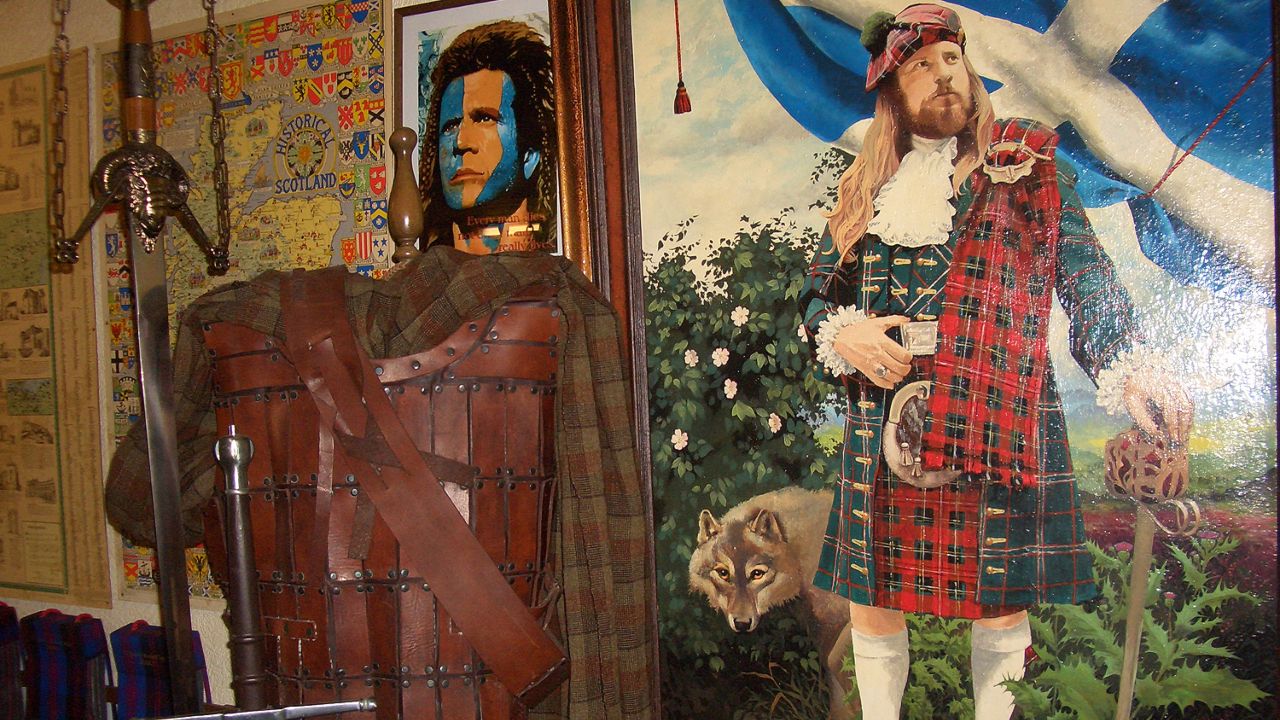
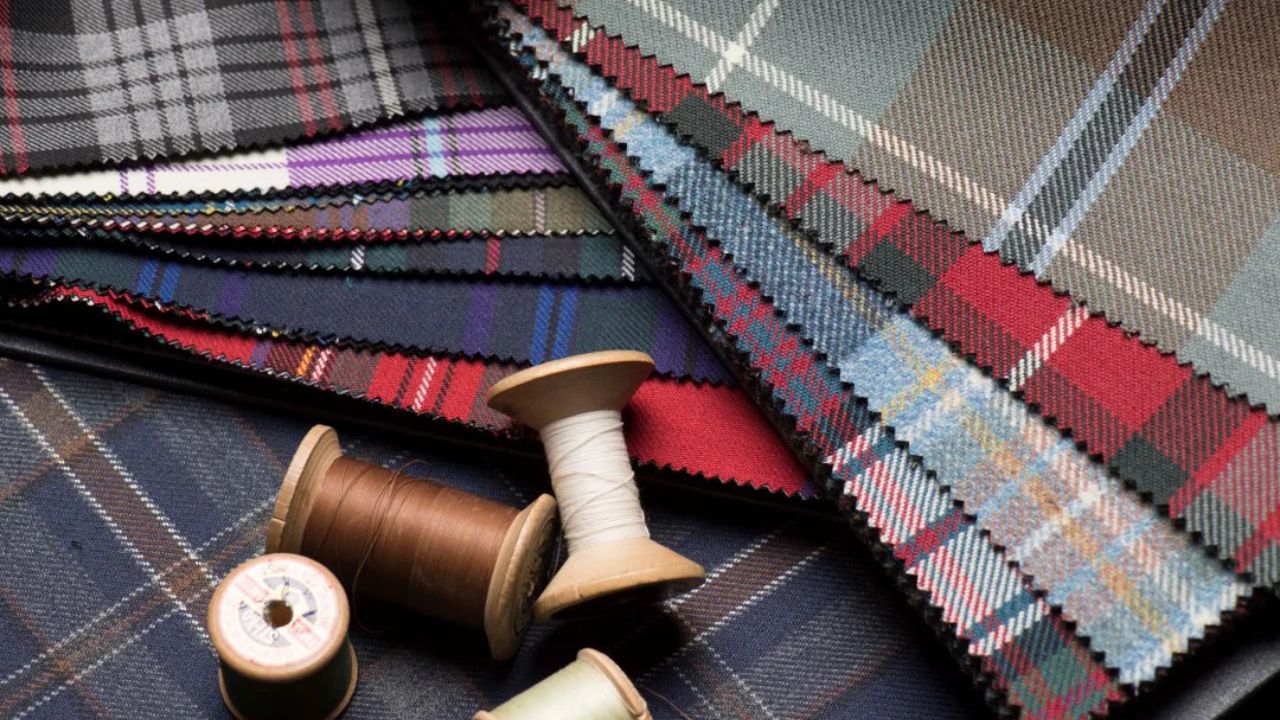
No pipe band is complete without its Highland dress. Kilts, sporrans, glengarry or balmoral hats, and beautifully patterned tartans add visual identity to each group. These tartans often represent clan ties or regional heritage. If you would like to explore tartan origins, our article What Is Tartan? provides a deeper look at how these patterns developed.
Uniforms do more than create unity, they communicate ancestry. Every step in a parade becomes a celebration of lineage and culture.

Music That Carries Generations
Pipe bands perform a wide range of traditional tunes:
- Marches
- Strathspeys
- Reels
- Slow airs
- Competition sets
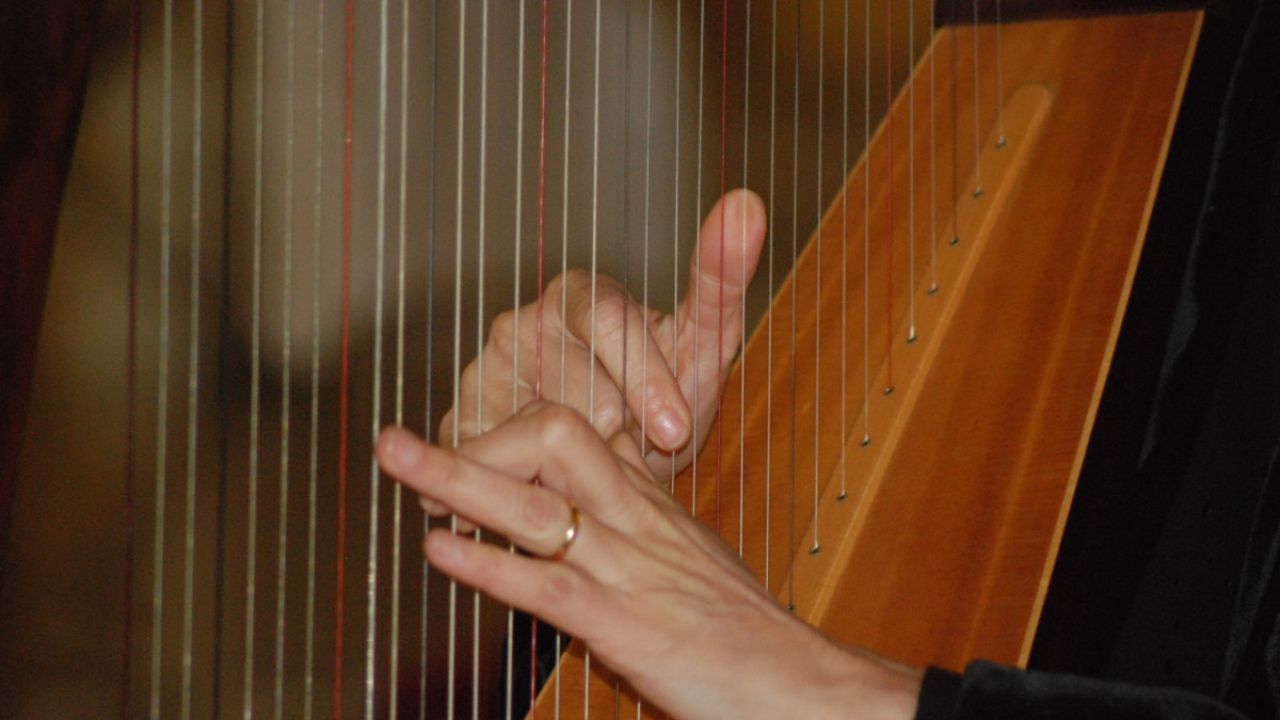
These melodies often echo the themes of Gaelic life—land, sea, loss, longing, and bravery. In many ways, the feeling is similar to the emotional depth found in Celtic harp traditions, explored in What Is a Clarsach?.
Each tune carries stories from the Scottish Highlands, making pipe music both artistic and historical.
Pipe Bands at the Highland Games
Scottish marching pipe bands hold a central place in the annual Highland Games, where strength, music, and pageantry unite. Competitions judge bands on tuning, precision, harmony, and marching discipline. These events turn music into a cultural celebration.
If you’re planning to explore more about the Highland Games, our guide on Events to Watch in Highland Games 2025 offers a helpful introduction.
Modern Evolution and Global Reach
Today, Scottish marching pipe bands thrive worldwide—from Canada to New Zealand, from the Scottish islands to major American cities. Some are competitive, while others serve historical societies, police forces, and military regiments. Each one keeps the tradition alive.
Modern musicians experiment with arrangements while staying rooted in tradition. Yet even in fusion performances, the heart of pipe band culture remains authentic.
This is the same cultural spirit preserved in other Celtic art forms like Ceili Bands and stone carvings explored here: Celtic Stone Carvings.
Why Pipe Bands Still Matter
Pipe bands remind Scotland and the world that culture lives in sound and movement. They bring communities together at parades, military events, ceremonies, and celebrations. Whether performing at the Edinburgh Royal Military Tattoo or leading a village procession, pipe bands express Scottish pride with unmatched intensity.
They bridge past and present. They honor ancestry while inspiring new generations. And above all, they prove that music remains one of Scotland’s strongest symbols of unity and identity.
For more explorations of Celtic heritage, visit our full library:
➡️ CeltGuide Blog