Scottish Laird’s Clothing: History, Style & Heritage

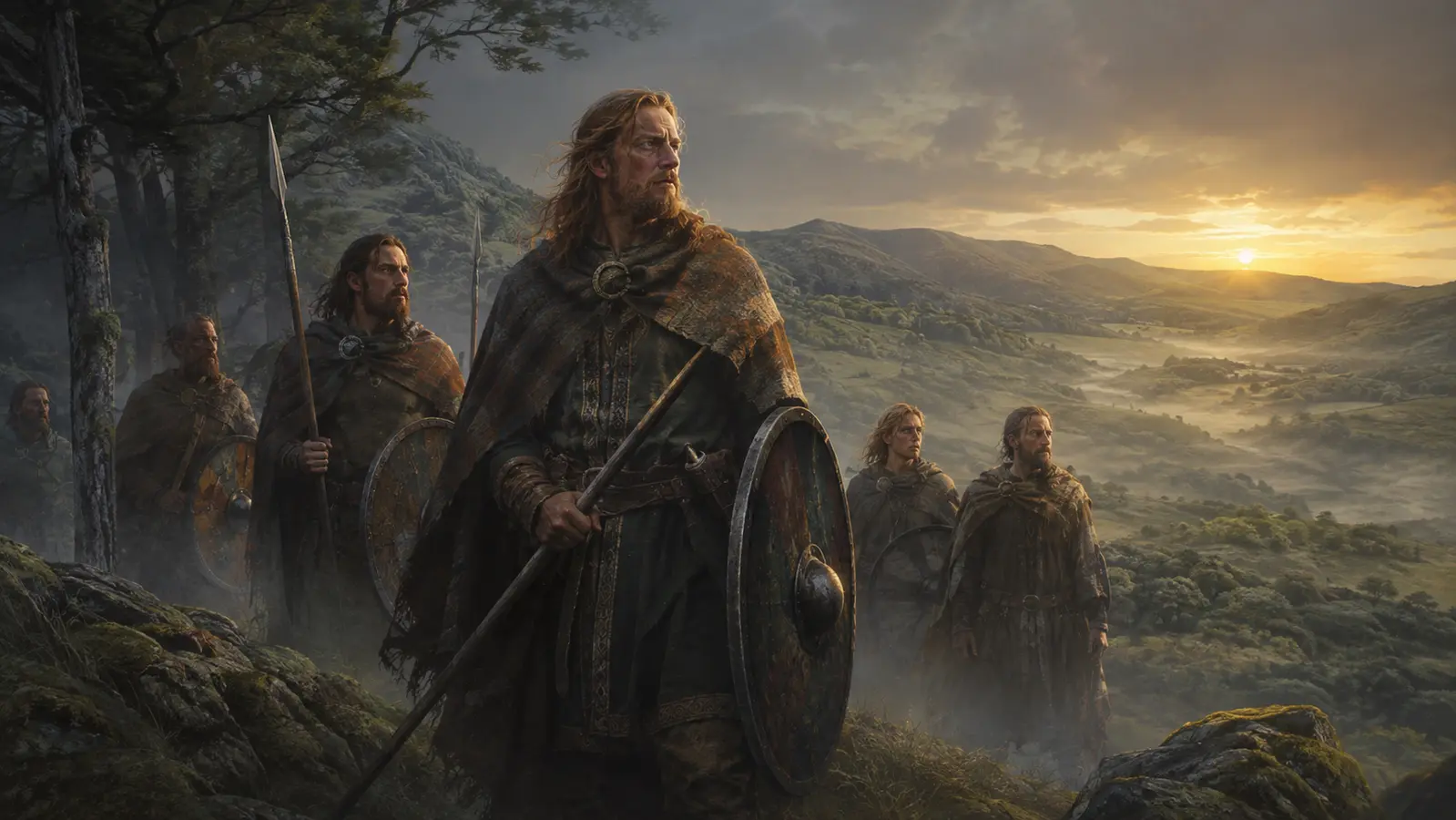
Understanding Scottish laird’s clothing gives us a window into how power, land, and tradition shaped Highland life. The laird was not just a landowner; he was the cultural anchor of his community. His attire carried meaning, marked status, and reflected the long lineage of Scottish clans. Today, much of this clothing still influences Highland dress worn at gatherings, games, and celebrations across Scotland.
The Role of the Laird in Scottish Society
Before exploring the clothing, it helps to know who the laird was. A laird held land, guided local decisions, and often acted as the link between clan members and the broader Scottish political world. His clothing represented this responsibility. Highland dress symbolized unity, pride, and belonging—values still seen in Scottish culture today, especially in places like Loch Lomond, a landscape deeply tied to clan history.
For more on Scottish heritage landscapes, explore our guide to Is Loch Lomond in the Highlands?.
Tartan: The Heart of Lairdly Clothing
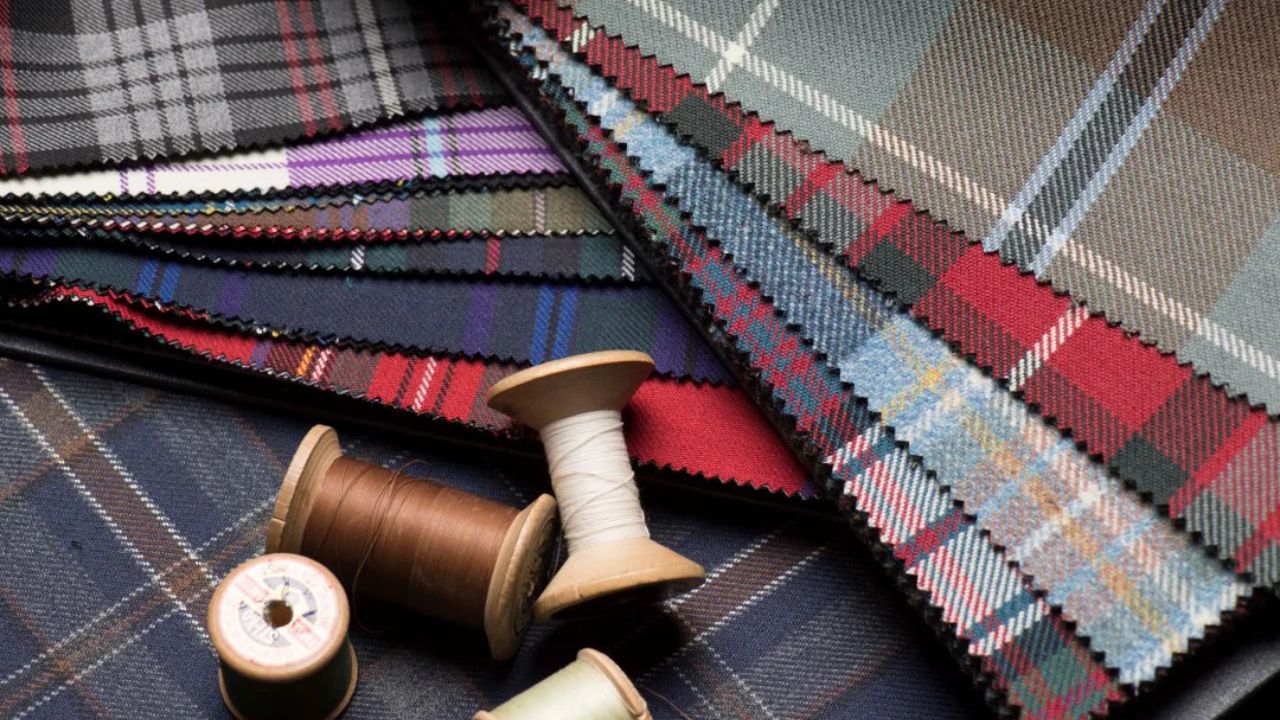
Tartan was the main visual signature of a laird. Its pattern and colors linked him to his clan, ancestry, and land. Each set of stripes told a story, one that stretched back centuries.
To dive deeper into tartan’s use across Scotland, see:

Most lairds wore high-quality wool woven by skilled Highland artisans. The vivid colors signaled rank and wealth. A deep green might link a clan to forested lands, while red could signal a warrior tradition. The laird’s choice of tartan guided what their household and followers wore during gatherings.
Kilts and Plaids: Pride in Motion
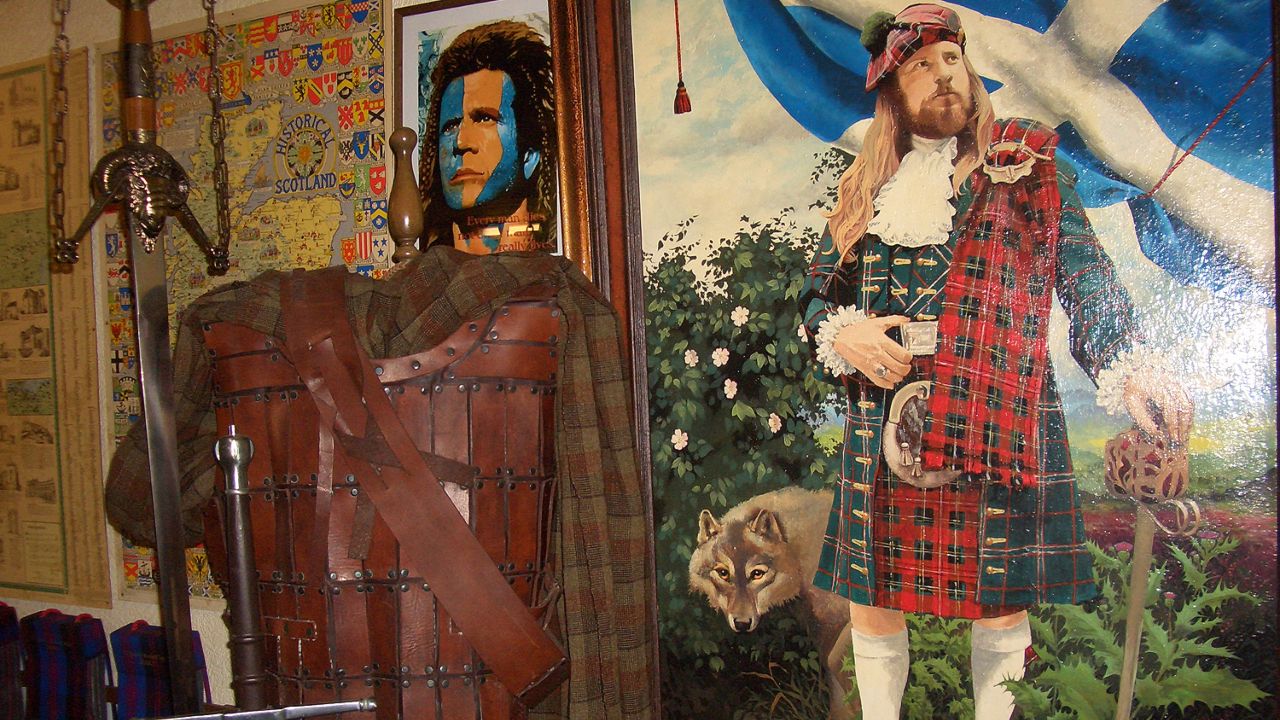
The most iconic part of a laird’s attire was the feileadh mòr, or great plaid. This large, pleated length of cloth wrapped around the body and draped over the shoulder. It offered warmth in the rough Highland climate and served as both cloak and blanket during long journeys.
Later, the tailored kilt became popular, especially in the 18th century. Many lairds adopted the kilt for comfort and mobility while keeping the bold, clan-specific tartan at the center of their look.
If you want to explore how people still style tartan clothing today, you can visit our guide to Scottish Tartan Shawls.
Shirts, Jackets, and the Touch of Nobility
Lairds often wore linen shirts paired with fitted jackets or waistcoats. The jackets ranged from simple wool designs to richly decorated pieces with silver buttons. These garments balanced practicality with status. The styles shifted over time, but the aim remained: to show dignity and leadership within the clan.

Accessories That Carried Meaning
True lairdly clothing went beyond fabric. Accessories shaped the full look:
Dirk Knife
Every laird carried a dirk, a long Scottish knife that symbolized readiness and honor. To learn more, you can visit What Is a Dirk Knife?.
Sporran
As kilts had no pockets, lairds wore a leather or fur sporran. The more ornate the sporran, the higher the status being displayed.
Belted Plaids and Sashes
Some lairds chose broad sashes for ceremonies. If you want to learn how sashes are worn today, explore How to Wear a Tartan Sash.
Highland Bonnets
Many lairds wore a bonnet such as the blue bonnet or early forms of the tam. You can explore bonnet style evolution through our article on the Tam O’Shanter Hat.
Clothing as Identity and Legacy
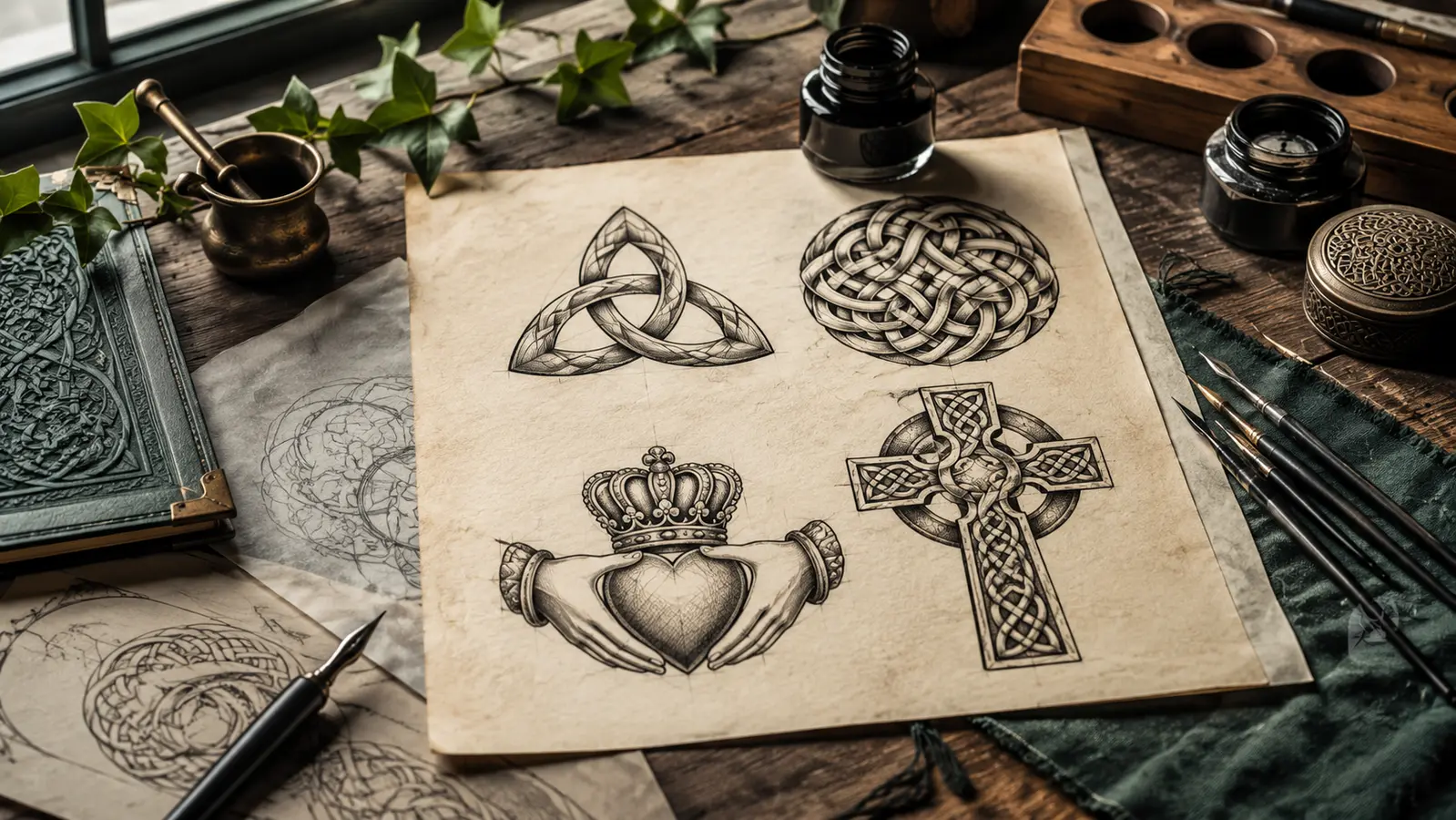
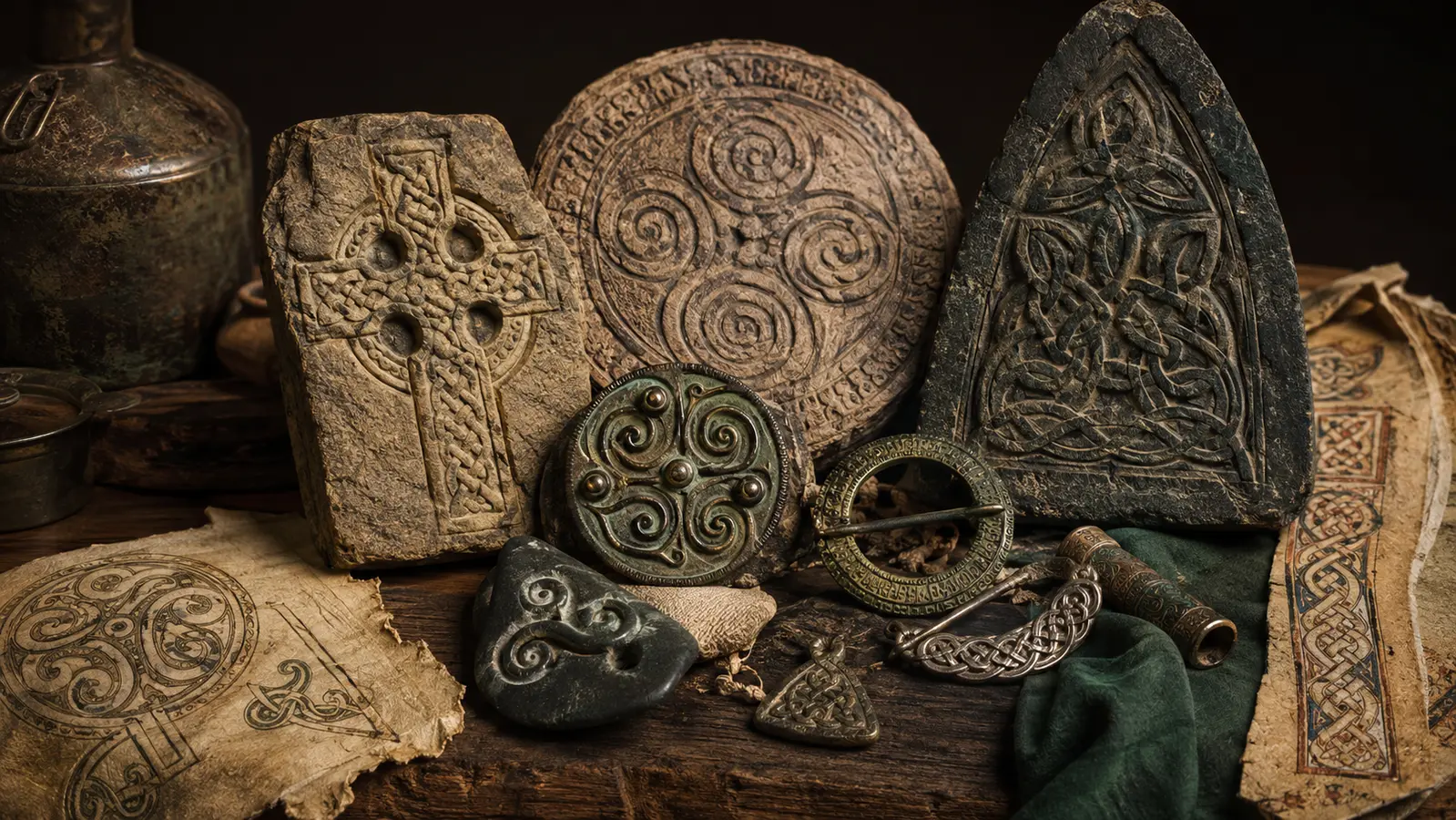
Laird clothing served as more than personal fashion. It linked the wearer to his ancestors, clan history, and the larger Celtic world. These garments stood strong even when outside forces tried to suppress Highland culture. Today, their legacy lives on at Highland Games, clan gatherings, and in modern Scottish fashion.
For more cultural context and deep dives into Celtic identity, explore the CeltGuide Blog.
Conclusion: A Living Tradition
Scottish laird’s clothing blends dignity, heritage, and pride. It shows how clothing can hold memory. And even today, tartans, kilts, dirks, and bonnets echo the leadership that lairds once carried across their lands.
If Scottish history and folklore fascinate you, you may also enjoy our mythological explorations such as the Celtic Sun God Lugh or the enchanting Legend of the Fairy Glen.