Gaelic Hymns and Religious Songs: Culture & Meaning

Gaelic hymns carry a soft strength that feels both ancient and comforting. They blend spirituality with the deep musical instincts of Gaelic communities. These songs evolved in Scotland and Ireland, where faith, land, and language shaped a rich tradition of worship. Today, Gaelic hymns still move people, not only for their beauty but also for the cultural memory they hold.
The Roots of Gaelic Hymns in Celtic Christianity
Gaelic religious songs came to life during the rise of early Celtic Christianity. Monks travelled through rugged landscapes, spreading a faith that blended seamlessly with local traditions. Their teachings inspired sacred poetry, chants, and melodic prayers that shaped Gaelic worship for centuries.
If you enjoy exploring Celtic belief systems, you may also like reading about the Celtic Sun God Lugh, one of the most influential figures in ancient Celtic mythology. Understanding older beliefs helps explain how spiritual expression shifted but never lost its poetic core.
Why Gaelic Hymns Sound So Distinct
Gaelic hymns often move at a gentle pace. Their melodies rise and fall like waves, and their lyrics use imagery drawn from nature, family, and faith. These qualities come from the oral storytelling culture that shaped Gaelic life. To understand how storytelling works in Celtic communities, explore Why Irish People Are Natural Storytellers.

Gaelic, whether Scottish or Irish, carries rhythms that make hymns sound musical even before the melody begins. The language itself guides the flow of the song, turning worship into poetry.
The Influence of Gaelic Bible Traditions
A major turning point in Gaelic hymn-writing came with Bible translations. When Scripture became accessible in Gaelic, people started composing hymns in their native tongue. This allowed communities to worship in a voice that felt personal and familiar.
If you are curious about this literary transformation, explore our article on Scottish Gaelic Bible Translations.
The Role of Traditional Instruments in Gaelic Religious Music
While many Gaelic hymns are sung a cappella, instruments add emotional depth in both historic and modern settings.
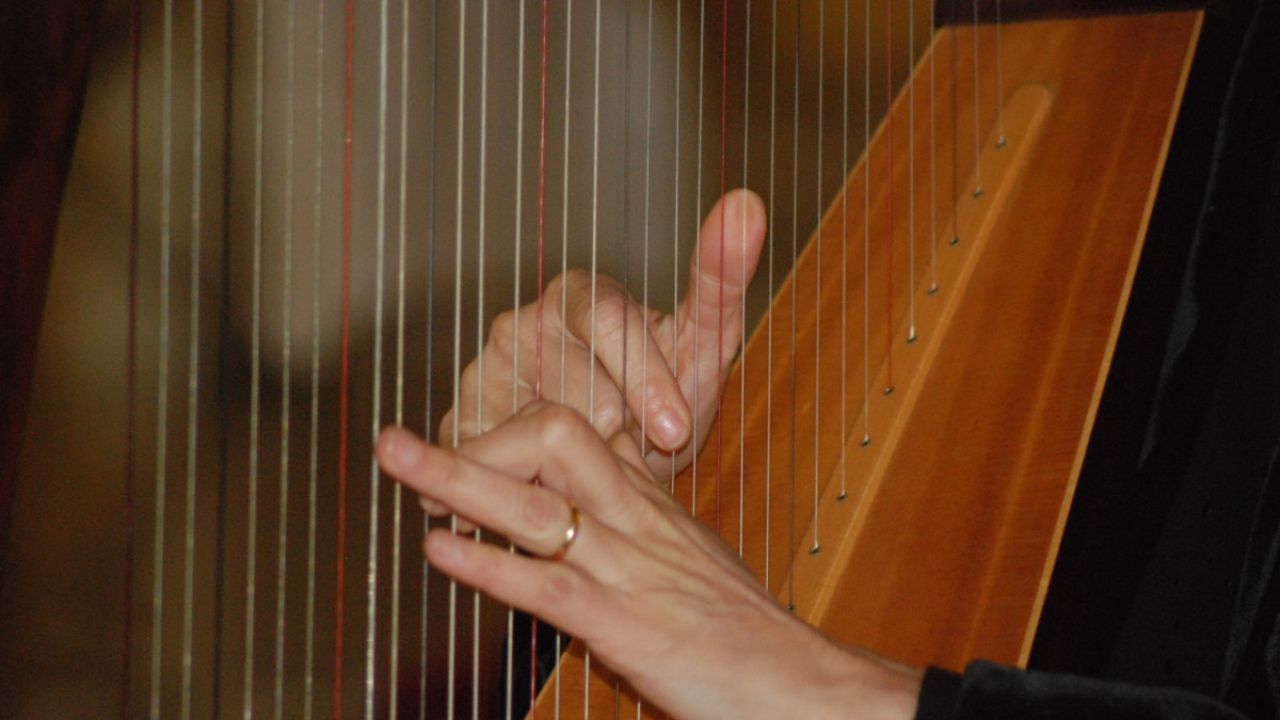
Clarsach (Celtic Harp)
The clarsach creates a soft, heavenly sound that suits spiritual music beautifully. Its role in Gaelic culture is legendary. Learn more about its history in What Is a Clarsach?.
Bodhrán Drum
In Ireland and later Scotland, the bodhrán added subtle rhythm to worship and gatherings. Explore its cultural story here: The Bodhrán Drum.

These instruments helped Gaelic hymns feel grounded in everyday life, blending faith with local artistic tradition.
Themes Found in Gaelic Religious Songs
Gaelic hymns often explore:
- Nature as spiritual metaphor – mountains, sea, and wind symbolize divine presence.
- Community and kinship – faith grows stronger when shared.
- Sorrow and endurance – many hymns reflect historical struggles, including famine and migration.
- Hope and divine comfort – one of the most constant themes in all Gaelic worship.
For more historical context on hardship and resilience, you might enjoy our article on The Influence of the Irish Potato Famine.
Hymns in the Life of Gaelic Communities
Gaelic hymns shaped weddings, funerals, harvest celebrations, and daily prayer. Their emotional depth helped people cope with loss, celebrate joy, and stay connected to their roots.
To explore how music shapes community identity, you may enjoy our piece on Ceili Bands, which looks at the lively side of Gaelic musical gatherings.
Gaelic Lullabies and Hymns for Children
Many Gaelic lullabies carry gentle spiritual undertones. They blur the line between hymn and cradle song. Parents sang them to comfort children and pass on faith naturally. If this softer side of Gaelic music interests you, visit Gaelic Children’s Lullabies.
Where Gaelic Hymns Stand Today
Gaelic hymns continue to thrive. Modern choirs sing them at festivals, and many churches still cherish them. At Highland gatherings, religious songs often appear alongside cultural traditions like clan storytelling and music. If you want to explore how many Scottish clans once shaped this musical landscape, visit How Many Scottish Clans?.

Conclusion: A Living Voice of Faith
Gaelic hymns carry the emotional heart of Celtic spirituality. They reflect the landscapes, struggles, and joys of the communities that created them. Their melodies keep history alive, and their lyrics remind us how faith and culture grow together.
For more explorations of Celtic heritage, you can always return to the CeltGuide Blog.