Scottish Highlander Portraits: Heritage in Brushstrokes

The Highlander on Canvas
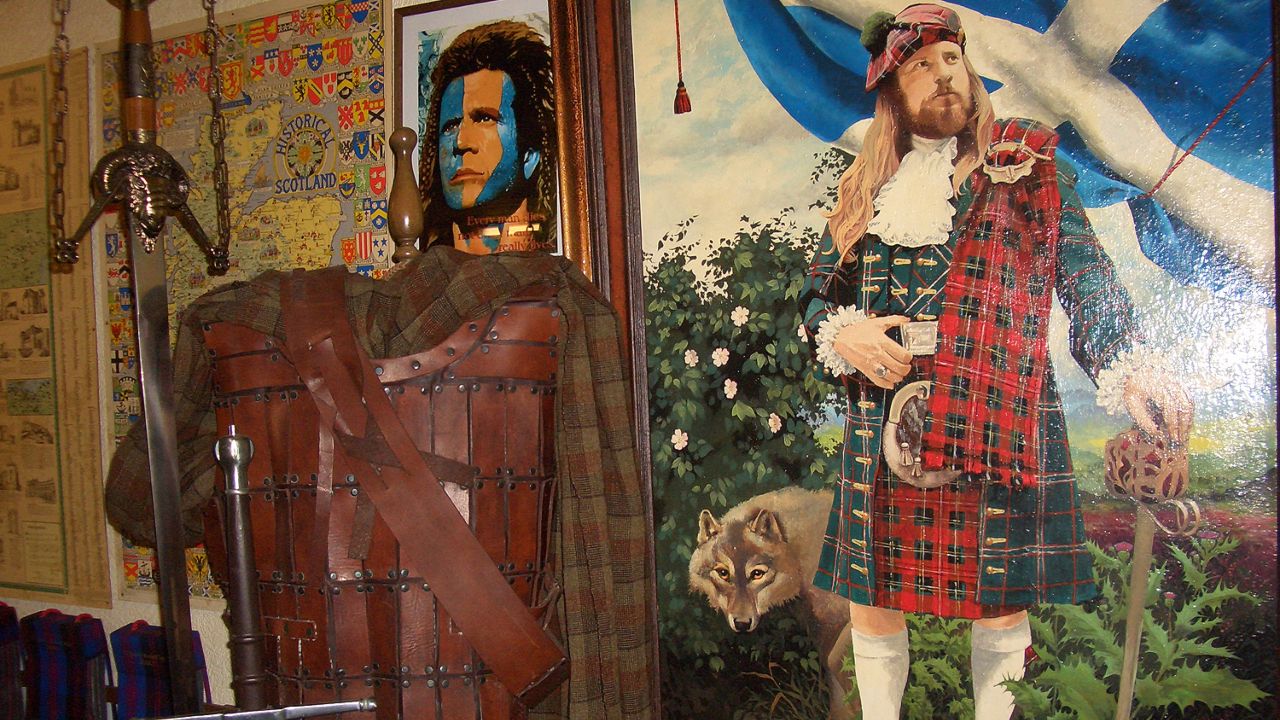
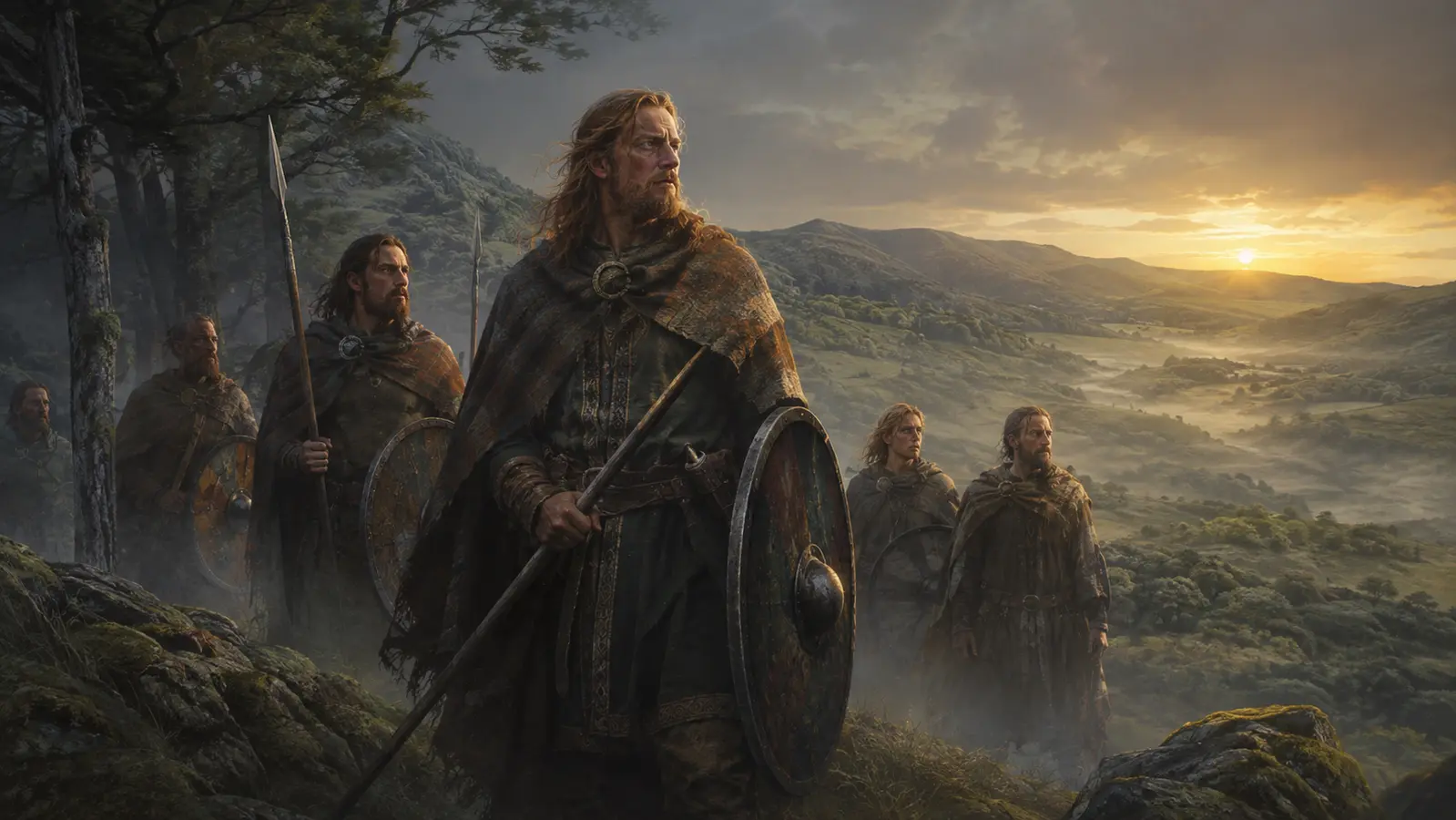
Few images are as powerful as a Scottish Highlander portrait, a proud figure standing against misty glens, wrapped in clan tartan, dirk at the waist, gaze steady and unflinching. These portraits are not just art; they are visual declarations of identity, loyalty, and survival.
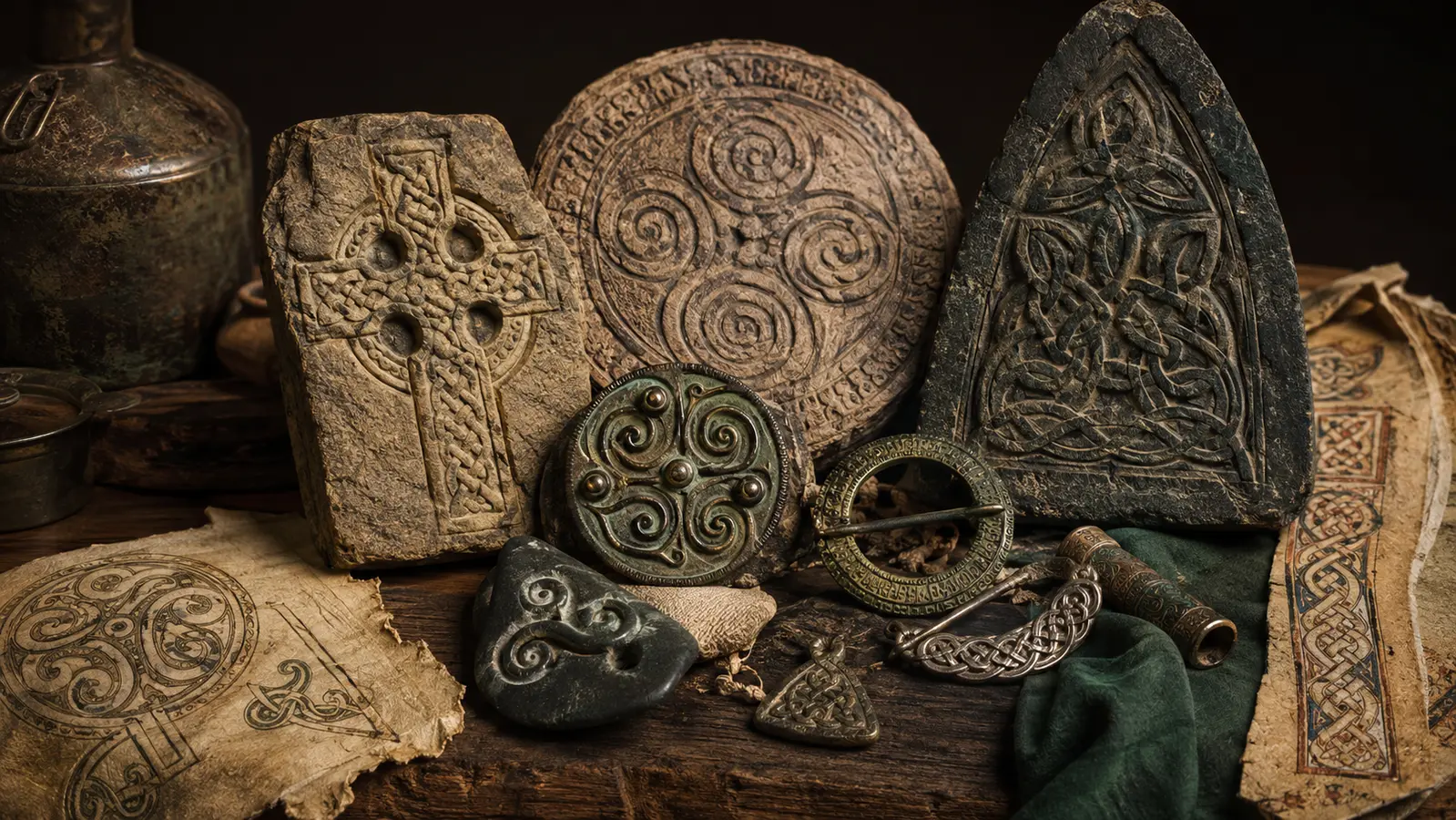
Just as Celtic stone carvings capture faith and myth in stone, Highlander portraits captured human resilience in paint.
Why Were Highlander Portraits Made?
Highlander portraits served several purposes:
- Clan Identity — showcasing unique tartan patterns and heraldic pride.
- Legacy — preserving leaders and warriors for future generations.
- Cultural Defiance — especially after the 1745 Jacobite Rising, when portraits became acts of quiet resistance.
In many ways, these portraits function like Gaelic proverbs, condensed symbols of cultural memory.
The Role of Tartan in Portraiture
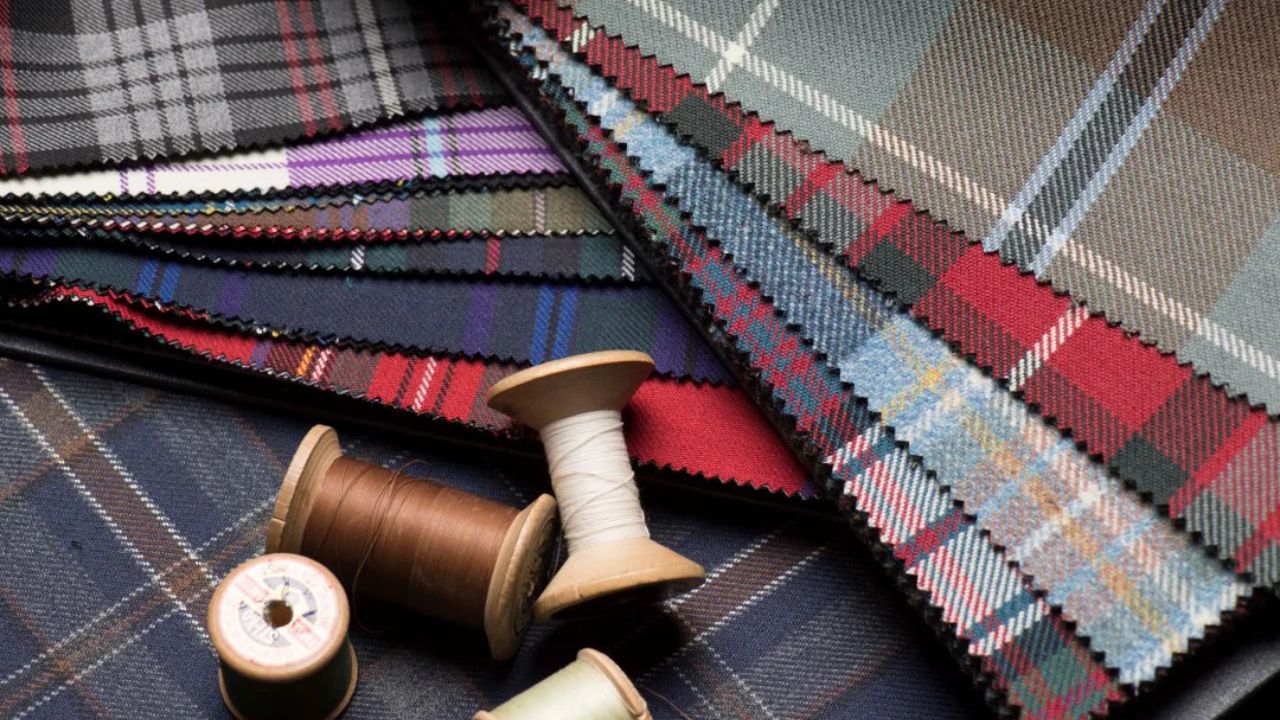
Tartan is central to Highlander portraiture. The careful rendering of checks and colors wasn’t mere decoration; it was a visual code of belonging.
Painters took great care to represent tartans accurately, making the portrait a historical record. If you’ve ever wondered how long tartan prints have been around, these portraits provide crucial evidence.

Portraits as Windows into Highland Life
Beyond clothing, Highlander portraits give us insights into:
- Weapons — from the dirk knife to the claymore.
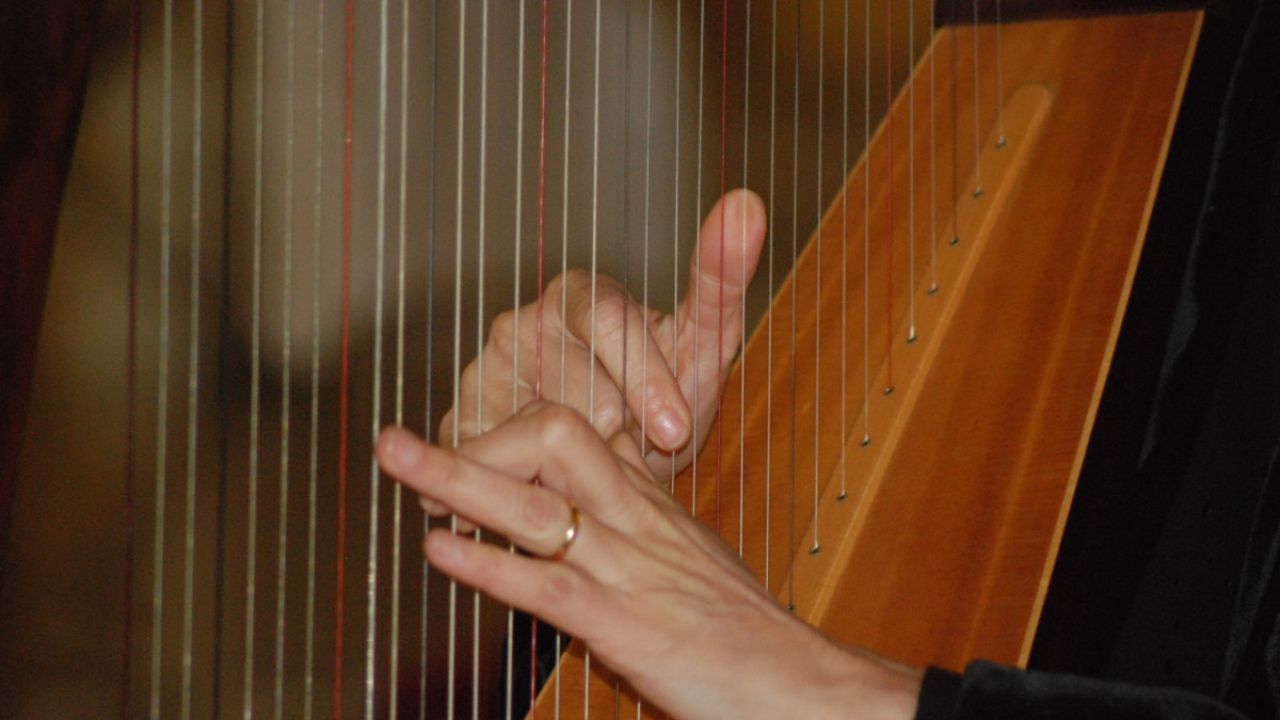
- Music & Tradition — sometimes accompanied by instruments like the clarsach harp.
- Landscape — glens, lochs, and castles, echoing the timelessness of the Isle of Mull.
They were less about realism and more about weaving a myth of endurance.
Romanticism and Reinvention
By the 19th century, Highlander portraits shifted under the influence of Romanticism. Artists painted Highlanders as noble warriors, rugged hunters, and romantic figures tied to the land.
This reinvention paralleled a broader revival of Highland identity, visible in fashion, tourism, and even kilts in movies and shows.

The Enduring Legacy
Today, Highlander portraits are preserved in museums, family collections, and digital archives. They are not only art but visual archives of resilience. Like the Celtic oak tree, they stand as enduring emblems of strength, rooted in cultural memory.
They remind us that Scottish identity is not merely written in books but painted into faces, fabrics, and landscapes.
Final Thoughts
Scottish Highlander portraits are more than aesthetic triumphs. They are cultural testaments, silent yet eloquent. Each brushstroke carries stories of clan loyalty, survival, and pride.
For more explorations of Celtic and Scottish heritage, explore our CeltGuide Blog.