The Clan Ghosts of Culloden Battlefield
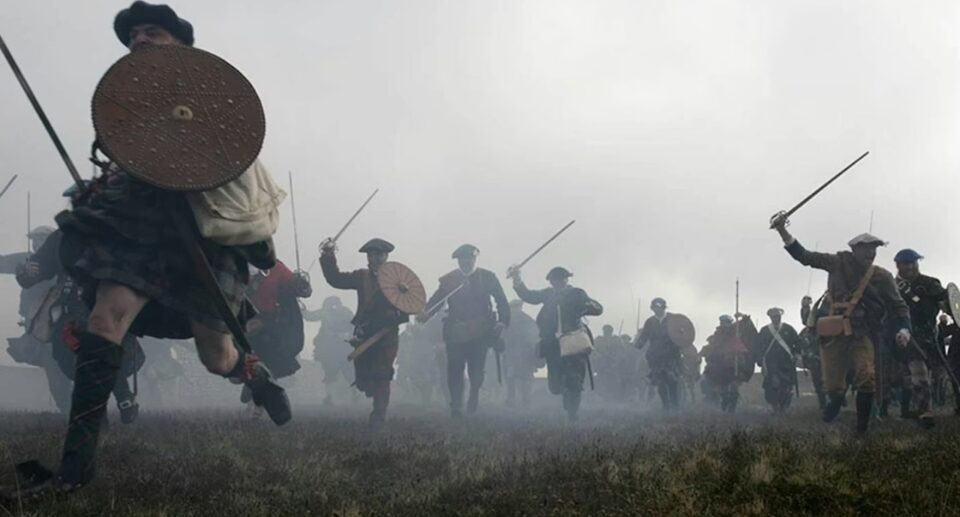
Few places in Scotland carry the emotional weight of Culloden Battlefield. The winds that move across the moor seem to whisper stories of courage, loss, and memory. For many visitors, the site feels more than historical. It feels alive with echoes of the clans who fought and died there.
Culloden remains one of the most haunting landscapes in Scottish history. It is the place where the Jacobite dream ended in 1746. Yet folklore suggests that the voices of the clans never fully left the field.
In this article, we explore the ghostly traditions linked to Culloden, the clans who fought there, and the cultural memory that still surrounds this historic battlefield.
The Historical Shadow of Culloden
The Battle of Culloden took place on April 16, 1746. It was the final confrontation between the Jacobite forces of Charles Edward Stuart and the British government army led by the Duke of Cumberland.
The battle lasted less than an hour. Yet its consequences changed Highland society forever.
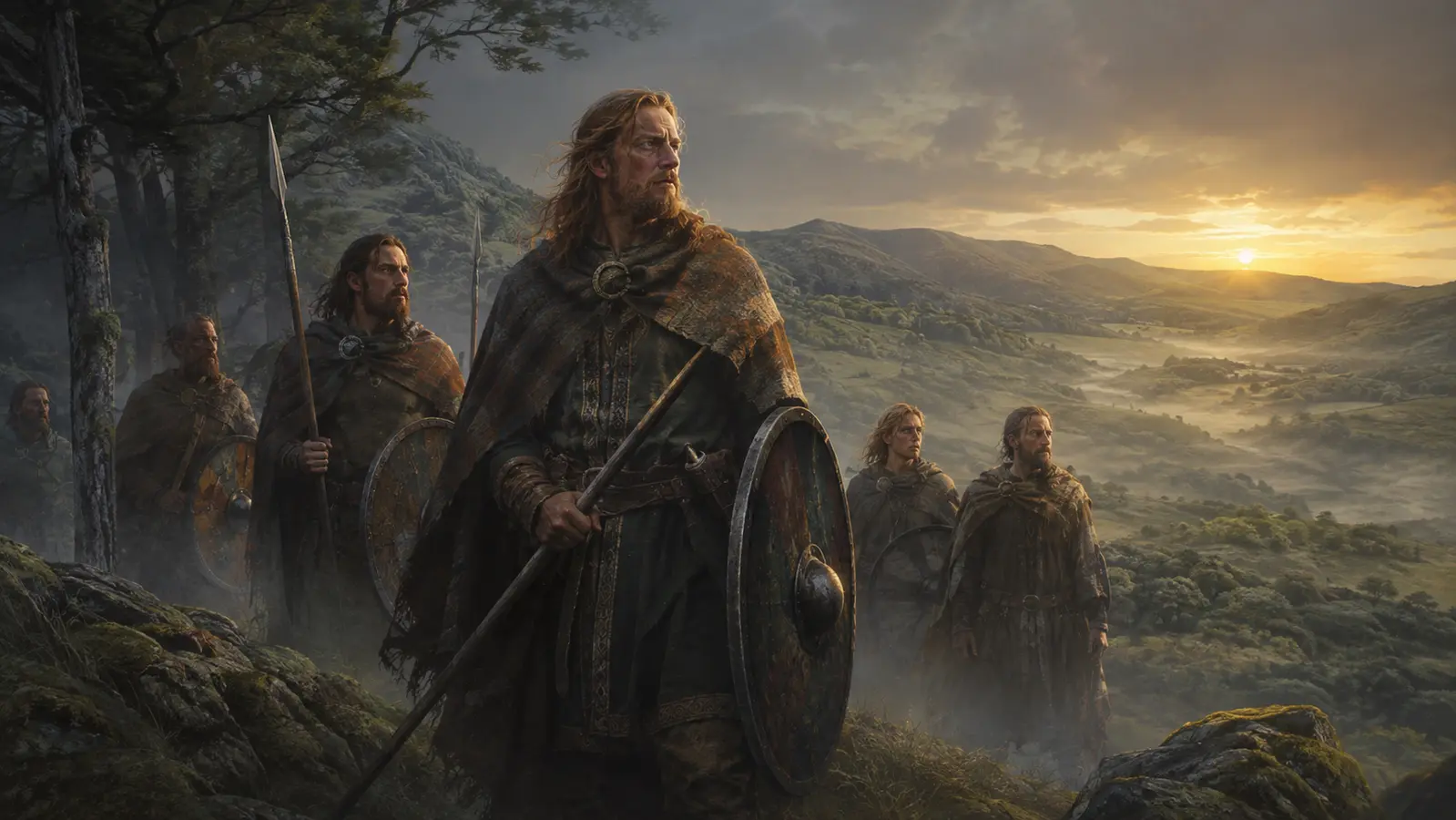
Thousands of Highlanders stood on that field, many representing ancient kinship groups. These clans carried centuries of identity tied to land, language, and honor. Their stories connect closely to the broader history of Scottish kinship explored in this guide on Scottish clans:
https://celtguide.com/how-many-scottish-clans/
When the Jacobite charge failed, the battlefield became a place of mourning. Families lost fathers, sons, and clan leaders in a single morning.
It is not surprising that local tradition later described the moor as restless.
Why Culloden Became a Landscape of Ghost Stories
In Highland folklore, places of sudden death often become sites of lingering spirits. The cultural worldview of Gaelic Scotland treated the boundary between the living and the dead as thin.
Ghost stories therefore served two purposes. They explained strange experiences and preserved the memory of tragedy.
Visitors to Culloden frequently report unusual sensations. Some describe hearing distant cries carried by the wind. Others mention shadows moving along the battlefield at dusk.
These experiences may come from imagination shaped by history. Yet they also echo a wider Celtic tradition of storytelling. The importance of narrative memory appears in many Celtic cultures, including the Irish storytelling heritage discussed here:
https://celtguide.com/why-are-irish-people-natural-storytellers/
Stories keep the past present.
The Clans Said to Walk the Moor
Local lore often links specific clan spirits to certain parts of the battlefield.
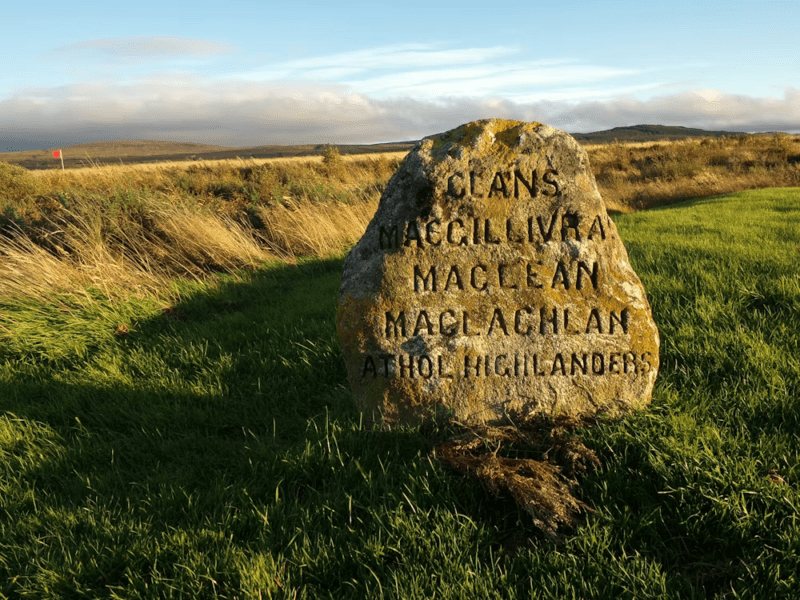
Visitors sometimes claim they hear the sound of marching or clashing steel near the clan grave markers. Each marker represents a group that suffered heavy losses during the battle.
Among the clans most often mentioned in ghost traditions are:
- Clan Fraser
- Clan MacGillivray
- Clan Cameron
- Clan MacDonald
These markers still stand across the battlefield today. They remind visitors that Culloden was not just a military conflict. It was a gathering of kinship groups whose identities were tied to symbols such as tartans and clan heritage.
For readers interested in the cultural significance of these patterns, see:
https://celtguide.com/what-is-tartan/
Reported Ghostly Encounters
Over the years, many visitors and guides have shared eerie accounts from Culloden.
Some of the most commonly reported experiences include:
The Phantom Drummer
A faint drumbeat sometimes appears in visitor stories. Witnesses claim they hear it during quiet evenings on the moor.
The Silent Charge
A few people say they see figures moving through the mist as if preparing for battle. These figures vanish quickly when approached.
Sudden Cold Spots
Guides often mention patches of cold air that appear unexpectedly even during calm weather.
None of these stories have scientific confirmation. However, they continue to shape the emotional atmosphere of the battlefield.
The Role of Folklore in Remembering the Battle
Ghost stories often emerge after traumatic historical events. They provide a way for communities to process grief and loss.
In the Highlands, folklore acted as a cultural archive. Stories passed through generations long before written history reached rural communities.
This connection between landscape and memory also appears in Celtic mythology. Sacred places and supernatural realms often intersect in these traditions, much like the otherworld described in Celtic belief systems such as:
https://celtguide.com/what-is-annwn/
Culloden therefore exists not only as a historical site but also as a symbolic one.
Visiting Culloden Today
Today, Culloden Battlefield stands as a carefully preserved memorial. Visitors walk through a quiet landscape marked by clan stones and mass graves.
The site invites reflection rather than spectacle.
Modern interpretation centers explain the battle with remarkable detail. Yet even with historical context, the moor retains a solemn atmosphere that many people find deeply moving.
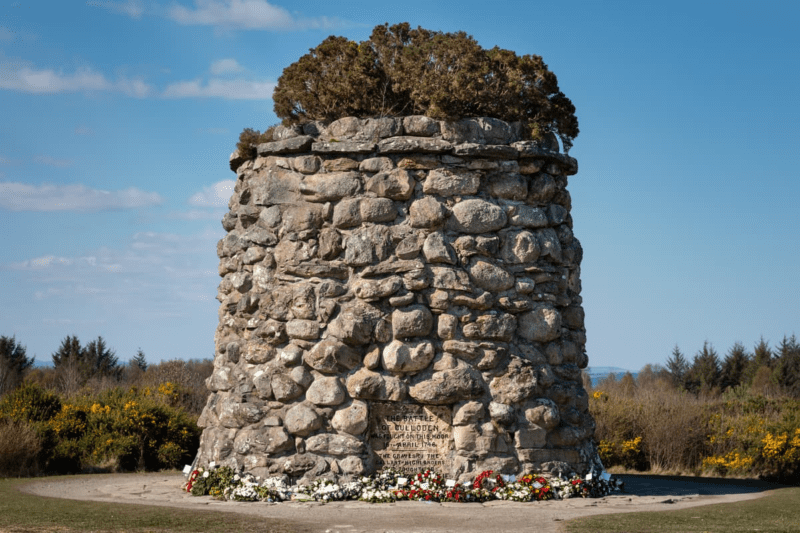
The experience reminds visitors that history is not just a record of events. It is also a collection of human lives, hopes, and losses.
Memory That Refuses to Fade
Whether one believes in ghosts or not, the stories of Culloden carry emotional truth. The battlefield represents the end of a political cause, but it also represents the endurance of cultural memory.
The Highland clans lost a battle that morning in 1746. Yet their stories remain deeply woven into Scottish identity.
And when the wind moves across the Culloden moor, many visitors still pause and listen. For a moment, the past feels very close.