


Scottish Gaelic Proverbs of Wisdom: Lessons from the Highlands

“Proverbs are the small change of wisdom,” an old scholar once said and nowhere is this truer than in the Highlands of Scotland. Scottish Gaelic proverbs (seanfhaclan) are more than catchy sayings; they are vessels of culture, carrying centuries of experience, humor, and insight into daily life.
Much like Irish proverbs, Scottish Gaelic proverbs reveal how communities once thought about kinship, nature, honor, and resilience. They show us the worldview of people who lived close to the land, dependent on both its bounty and its mercy.
The Role of Proverbs in Scottish Gaelic Culture
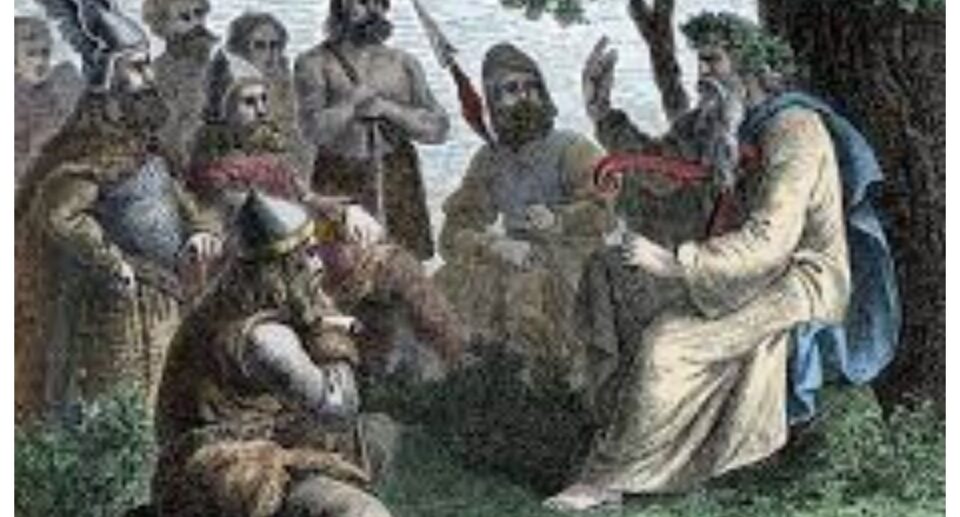
For centuries, proverbs served as oral tools of teaching. A parent guiding a child, a bard advising a chief, or a farmer reflecting on weather—all could lean on proverbial wisdom.
Gaelic culture prized the spoken word, as seen in storytelling traditions and in the rhythmic cadences of Highland poetry. Proverbs were short, memorable, and carried authority, especially when invoked in debate or community decision-making.
Themes of Scottish Gaelic Proverbs
Scottish Gaelic proverbs reflect the values of Highland life. Here are some recurring themes:
- Nature as Teacher – Weather, animals, and landscapes are constant metaphors.
- Example: Is fheàrr an t-iasg na thig na làimh na dhà a’ dol as.
Better the fish that comes to hand than two escaping.
- Example: Is fheàrr an t-iasg na thig na làimh na dhà a’ dol as.
- Kinship and Community – Emphasis on family, clan, and loyalty.
- Example: ’S fheàrr càirdeas na òr.
Friendship is better than gold.
- Example: ’S fheàrr càirdeas na òr.
- Hard Work and Resilience – Reflecting agrarian and pastoral life.
- Example: Is fheàrr obair na beul.
Work is better than talk.
- Example: Is fheàrr obair na beul.
- Humor and Irony – A playful wit often softens hard truths.
- Example: Is fheàrr gàire na bròn.
Laughter is better than sorrow.
- Example: Is fheàrr gàire na bròn.
Proverbs as Carriers of Collective Memory
Proverbs acted as mnemonics for values, a way of teaching morals without formal schooling. Their function was not unlike that of Celtic stone carvings (explore here): small, compact, symbolic carriers of identity.
They also played a role similar to Gaelic children’s lullabies (see here)—conveying not only comfort but also cultural continuity.
Proverbs, Language, and Identity
Scottish Gaelic, though historically under pressure, has remained a living language of tradition. Proverbs were a way of preserving wisdom within everyday speech. Like Scottish Gaelic Bible translations, they show the adaptability of the language in carrying both sacred and secular truths.
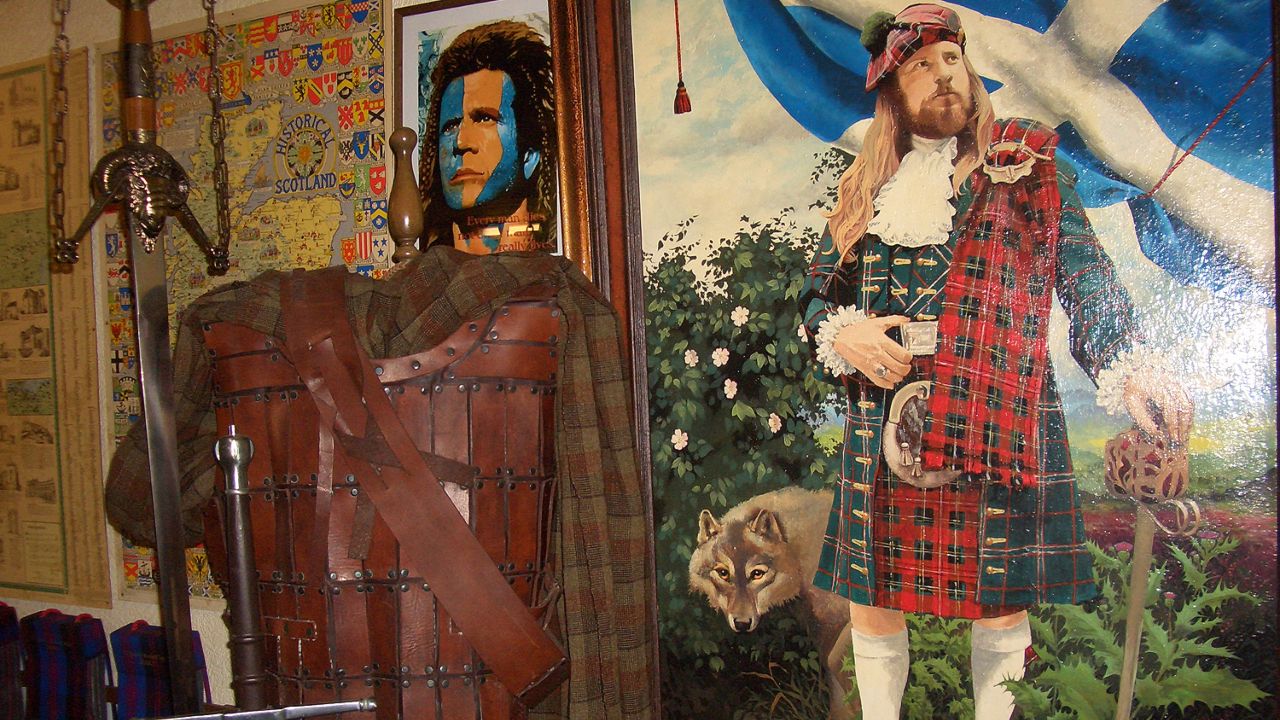
Just as tartan embodies identity in fabric (what is tartan?), proverbs weave cultural memory into language itself.
Why Gaelic Proverbs Still Resonate
Even in modern times, Gaelic proverbs continue to inspire. They remind us of enduring truths: the value of friendship, the inevitability of change, and the strength found in laughter during hardship.
For visitors exploring the Highlands—from Loch Lomond to the Isle of Mull—these sayings provide a glimpse into how Scots have historically made sense of life’s challenges and joys.
Conclusion
Scottish Gaelic proverbs are not mere linguistic curiosities. They are living fragments of ancestral wisdom, as relevant in the 21st century as they were in a Highland longhouse centuries ago. To listen to or use one is to step into the shared memory of a people who valued wit, endurance, and connection to both kin and land.
If you’d like to explore more Celtic traditions, visit our CeltGuide blog for deep dives into heritage, folklore, and cultural wisdom.