


Scottish Cummerbunds with Kilts: A Modern Twist on Highland Style

Many people know the classic components of Highland dress; kilts, sporrans, hose, and jackets. Yet, one accessory still surprises readers: the Scottish cummerbund. While most associate cummerbunds with tuxedos, Scotland has found a way to weave this sleek garment into kilted outfits, especially in semi-formal and modern ceremonies.
Before we explore how to wear them well, it helps to understand where they fit in the evolving story of Scottish fashion. If you enjoy the development of Scottish style, you might also like our guides on what tartan means and the history of tartan prints.
What Exactly Is a Scottish Cummerbund?
A Scottish cummerbund is a broad waist sash worn with a kilt instead of a belt or sporran in certain modern outfits. It creates a clean waistline, adds colour contrast, and supports the formal tone of the attire. Most men pair it with dress shirts and Prince Charlie–style jackets for an updated Highland look.
Do Cummerbunds Replace the Sporran?
This is the question readers ask most. In short—yes, sometimes.
When you choose a cummerbund, the goal is to streamline the outfit. Because a cummerbund covers the waist, many skip the sporran for a minimalist approach. The result feels contemporary, similar to how musicians dress for formal performances.
That said, traditionalists may prefer to keep the sporran for cultural authenticity. If you enjoy learning how older customs shaped modern dress, explore the stories behind Scottish clans in our guide on how many Scottish clans exist.

When to Wear a Cummerbund with a Kilt
While the kilt itself suits ceremonial and festive moments, the cummerbund fits:
- Semi-formal weddings
- Evening receptions
- Ballroom or Ceilidh events
- Performances and concerts
- Modern Highland dance showcases
Ceilidh musicians and dancers, especially those who appear on stage, often choose cummerbunds because they allow movement and create a tidy silhouette. If you enjoy the music-and-dance side of Celtic culture, you may find our guide on Ceili bands insightful as well.
Choosing the Right Cummerbund for Your Kilt
1. Match or Contrast Wisely
A black cummerbund works well with almost any tartan. Vibrant tartans pair best with understated tones, while muted tartans can benefit from deeper coloured cummerbunds.
2. Keep the Fabric Consistent
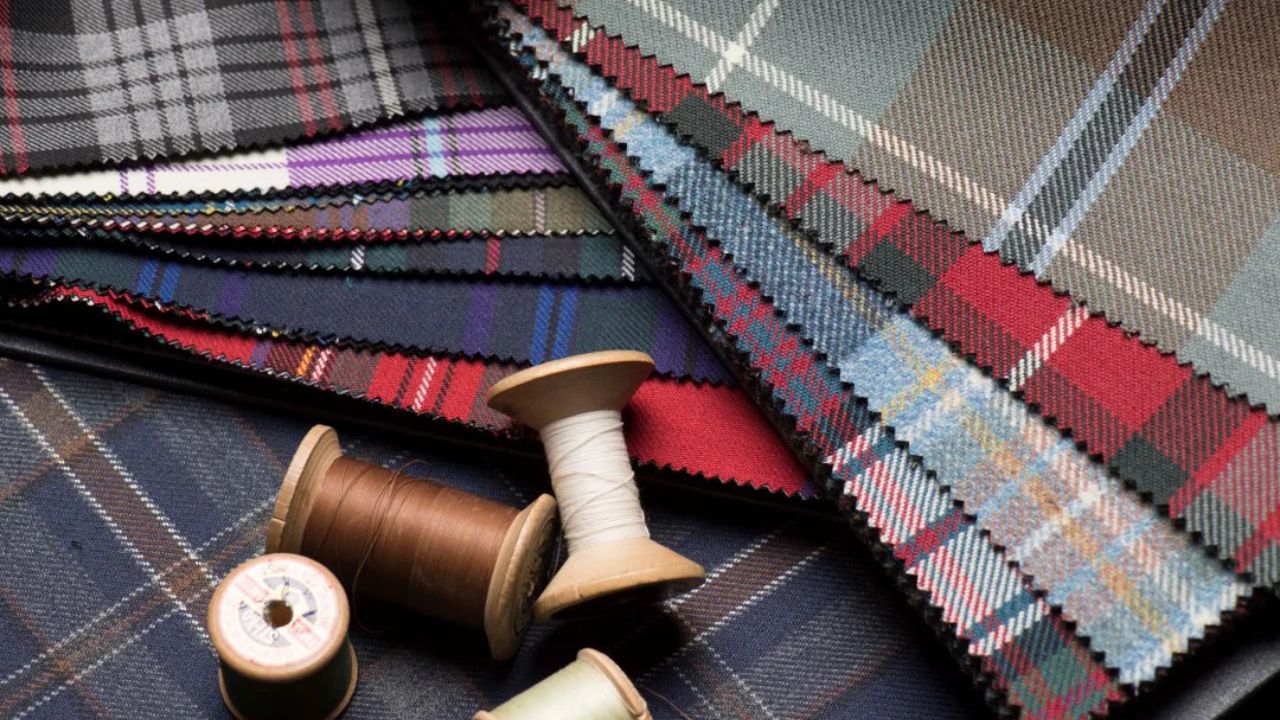
Silk, satin, and wool-blends look best with dress kilts. The texture should complement, not compete.
3. Focus on Fit and Comfort
The cummerbund should sit comfortably at the natural waist without folding or bunching.
If you love exploring how fabrics connect to heritage, our detailed article on Scottish tartan shawls expands on the cultural identity woven into every weave.

Cummerbund vs. Waistcoat: Which Looks Better with a Kilt?
The choice between a cummerbund and a waistcoat depends on the tone of the event. A waistcoat leans traditional, while a cummerbund creates a sharper evening presence. Both frame the kilt beautifully but offer different expressions of Scottish identity.
If your interest lies in broader cultural meaning, try exploring Scottish identity in our feature on Scottish Gaelic Bible translations.
Tips for Wearing a Cummerbund Gracefully
- Iron it lightly for a crisp finish.
- Ensure the pleats face upward, as tradition suggests.
- Keep your shirt tucked smoothly.
- Pair with polished brogues or Ghillie shoes.
Even small touches elevate the whole outfit. Presentation mattered deeply in Scotland’s cultural gatherings, much like the storytelling traditions we highlight in our article on why Irish people are natural storytellers.
Final Thoughts
Scottish cummerbunds bring a fresh and elegant dimension to Highland dress. They respect tradition but leave room for personal style. Whether you wear one for a wedding, a formal ceilidh, or a modern performance, it adds an unmistakable charm that blends Scottish heritage with contemporary fashion.
For more Celtic fashion guides, visit our CeltGuide blog.