Scottish Clan Crests Worn on Hats: History & Meaning
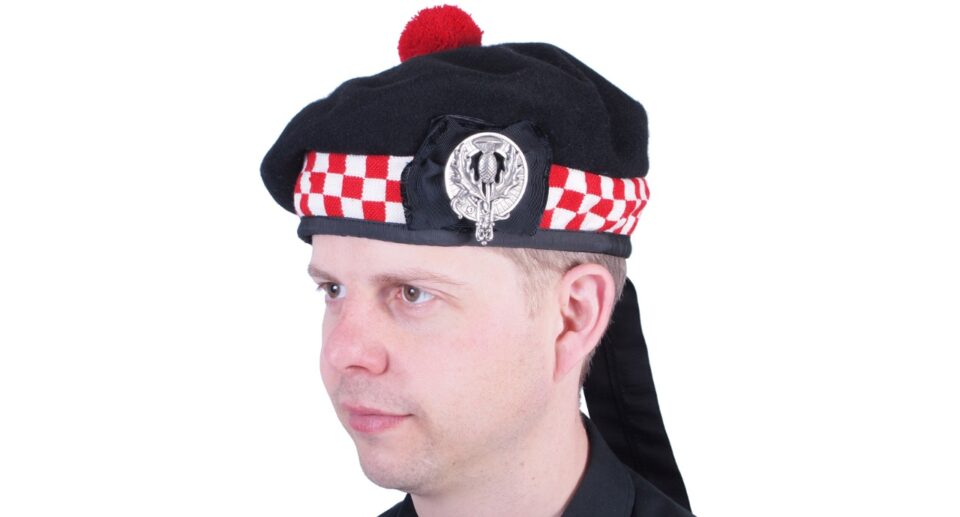
Scottish Highland dress carries layers of meaning, and one of its most striking details is the clan crest worn on the hat. Whether pinned to a Balmoral or Glengarry, the crest badge tells a story of belonging, loyalty, and ancestral pride. As someone who has spent years studying Highland culture at the University of Edinburgh, I find this small yet powerful emblem one of the most expressive symbols of Scottish identity.
In this blog, we explore why these crests matter, how they developed, and how they continue to shape Scottish heritage today.
What Exactly Is a Clan Crest?
A clan crest is a symbolic badge that represents a particular Scottish clan. It often includes:
- A motto
- A symbolic image (such as a hand, an animal, or a plant)
- A belt and buckle border, used only by clan members
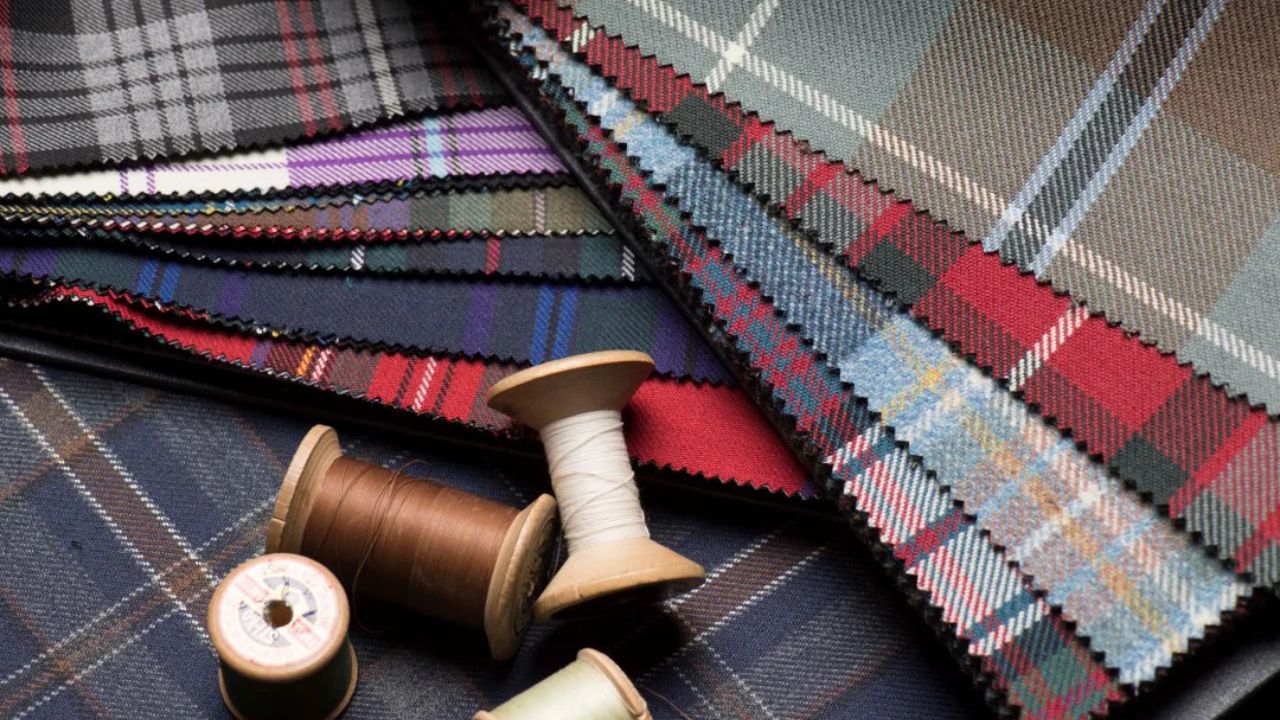
These crests come from the deep-rooted visual language of Scotland, the same world that gave us ancient tartan patterns, which you can learn more about in our guide, What Is Tartan?.
Why Scots Wear Clan Crests on Hats
The use of crests on hats grew during the 18th and 19th centuries. Wearing the symbol on the bonnet allowed men to:
- Display clan loyalty proudly
- Show unity during gatherings and Highland Games
- Identify themselves in large clan gatherings
- Celebrate ancestral lineage
It was practical, visible, and meaningful, much like the storytelling traditions explored in our article Why Are Irish People Natural Storytellers?.
Where the Crest Sits on the Hat
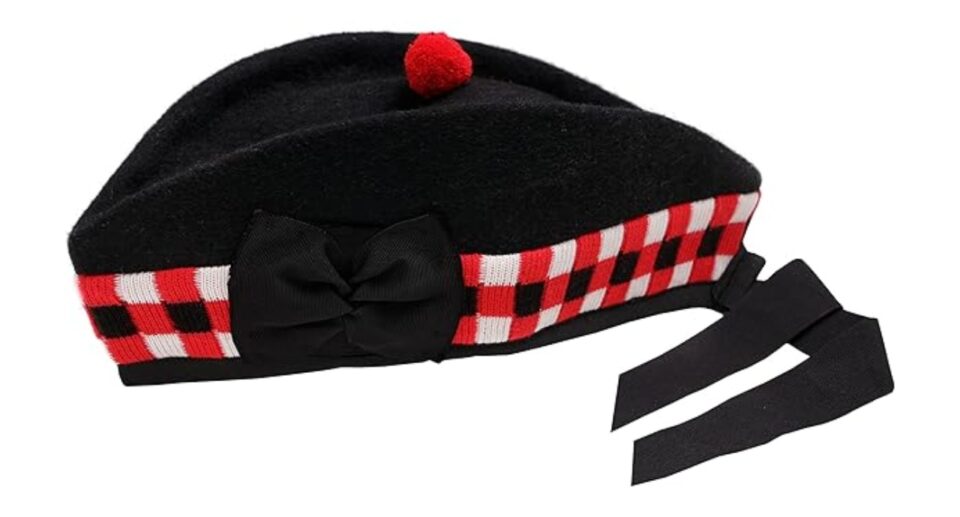
Traditionally, the badge sits on the left side of the Glengarry or Balmoral. This placement keeps the crest visible while still balanced with the feather or cockade.
The Belted Crest Badge: A Mark of Kinship
If you see a crest inside a belt-and-buckle design, it means the wearer identifies as part of the clan. Chiefs alone use the crest without the belt, placed instead in a plain circlet.
This distinction matters because it reflects centuries of structure within Highland society. Our piece on How Many Scottish Clans Exist? can help you explore these family networks further.
Common Symbols You’ll See
Different clans choose symbols that reflect their origin stories. Some popular ones include:
- Stags for grace and strength
- Boars for courage
- Hands for loyalty and oath-taking
- Ships for seafaring clans
These symbols often echo the imagery seen in older Celtic art, similar to the carvings discussed in our article on Celtic Stone Carvings.
Clan Crests and the Highland Games
If you attend the Highland Games today, crests remain a central part of dress. Many visitors notice:
- Groups wearing matching badges
- Chiefs and representatives with unique crests
- Pipes and drums featuring clan symbols
For those curious about these events, our guide to Highland Games 2025 can give a deeper picture of modern gatherings.
How Clan Crests Connect to Tartan and Identity
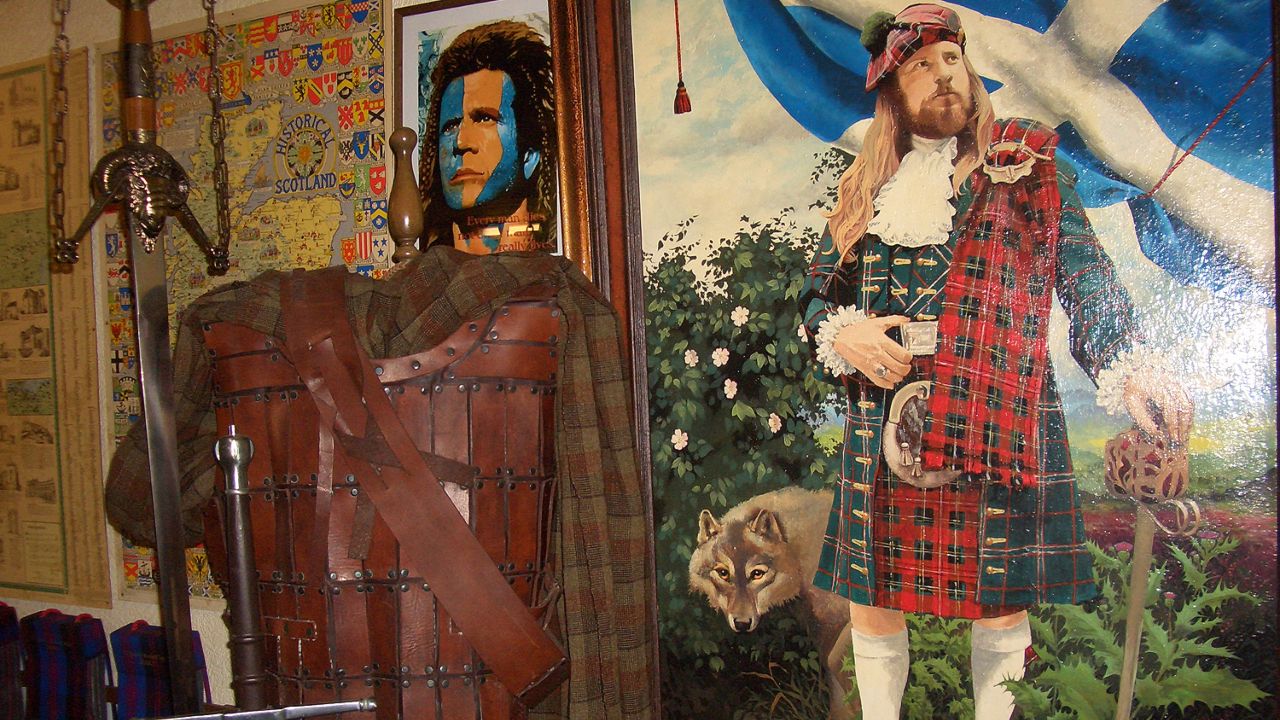
Highland attire works as a collective system. The kilt, tartan sash, bonnet, and crest all work together. If you are exploring how to style tartan today, you may enjoy our guides such as Scottish Tartan Shawls and How to Wear a Tartan Sash.
The crest is the finishing touch that ties identity to the wider story of Highland heritage.
How to Choose a Crest Today
If you are not a clan member by blood, many clans welcome “associates” or “friends of the clan.” You can wear the badge respectfully with:
- Accurate clan information
- A bonnet suited for formal or informal dress
- Knowledge of the motto and its meaning
Final Thoughts
Scottish clan crests worn on hats are more than decoration. They connect the wearer to a lineage that stretches through centuries of culture, tradition, and storytelling. They remain one of the most personal and proud visual markers of Scottish heritage.
If you want to dive deeper into Celtic culture, explore more articles on our CeltGuide Blog.