

Penny Whistle Music: The Soulful Voice of Celtic Tradition

Introduction
Among the most recognizable sounds in Celtic folk tradition is the sweet, lilting tone of the penny whistle. Often overlooked beside the grandeur of the Celtic harp or the earthy pulse of the bodhrán drum, the penny whistle has nevertheless held a special place in the heart of Irish and Scottish music for centuries. Its simple design, portable nature, and evocative sound made it the “instrument of the people,” bridging both hearth and festival.
What is the Penny Whistle?
The penny whistle, also called the tin whistle, is a small woodwind instrument traditionally made of metal or wood. With six holes and a fipple mouthpiece, it produces a clear, high-pitched sound that resonates perfectly with Celtic melodies.
Much like fiddle music, penny whistle tunes often carry lively jigs and reels, though it can also express hauntingly slow airs that stir deep emotion.
Historical Roots of Penny Whistle Music
The penny whistle’s history stretches back to at least the 12th century, though its popularity soared during the 19th century when mass-produced versions became affordable to working-class families. Its accessibility meant nearly anyone could learn to play it, making it a staple in homes and gatherings.
This democratic spirit mirrors the storytelling traditions explored in Irish folklore, where community voices mattered as much as elite culture.

The Sound of the People: Role in Celtic Culture
The penny whistle was central to ceilidhs and village dances, providing rhythm and melody when larger instruments were unavailable. It complemented other traditional instruments, from the fiddle to the bodhrán, weaving harmonies that defined communal celebrations.
It remains prominent today in céilí bands, folk sessions, and even modern Celtic fusion groups, proving its timeless adaptability.

Symbolism and Legacy
More than just an instrument, the penny whistle represents resilience and creativity. It carried the voices of communities through hardship, including during moments of displacement such as the Irish Potato Famine.
Like the Celtic oak tree, the penny whistle embodies endurance, rooted in tradition yet flexible enough to adapt to changing cultural landscapes.
Learning the Penny Whistle Today
In recent years, the penny whistle has enjoyed a resurgence. Musicians and enthusiasts alike seek its simplicity and expressive range. Beginners often find it easier to learn than stringed instruments, yet it still offers rich complexity for advanced players.
Celtic music schools, workshops, and online tutorials make it more accessible than ever. Just as Gaelic proverbs carry timeless wisdom, penny whistle tunes carry timeless melodies.

Conclusion
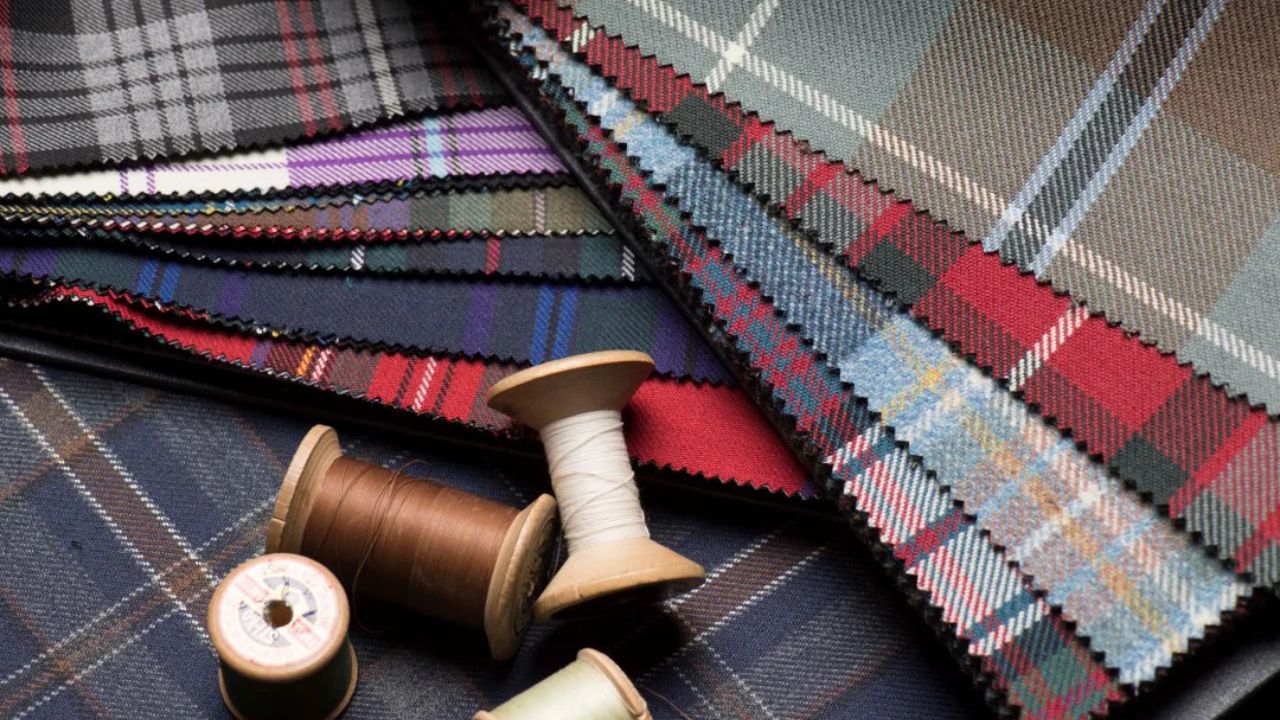
The penny whistle is far more than a humble pipe. It is the living breath of Celtic tradition, playful, mournful, resilient, and profoundly human. Whether heard at a ceilidh, a quiet fireside, or on a global stage, its voice continues to echo the spirit of a people whose love for music is as enduring as the tartan itself.