Loch Ness Monster: Myth, Legend, or Reality?

Introduction: A Legend Swimming in Mystery
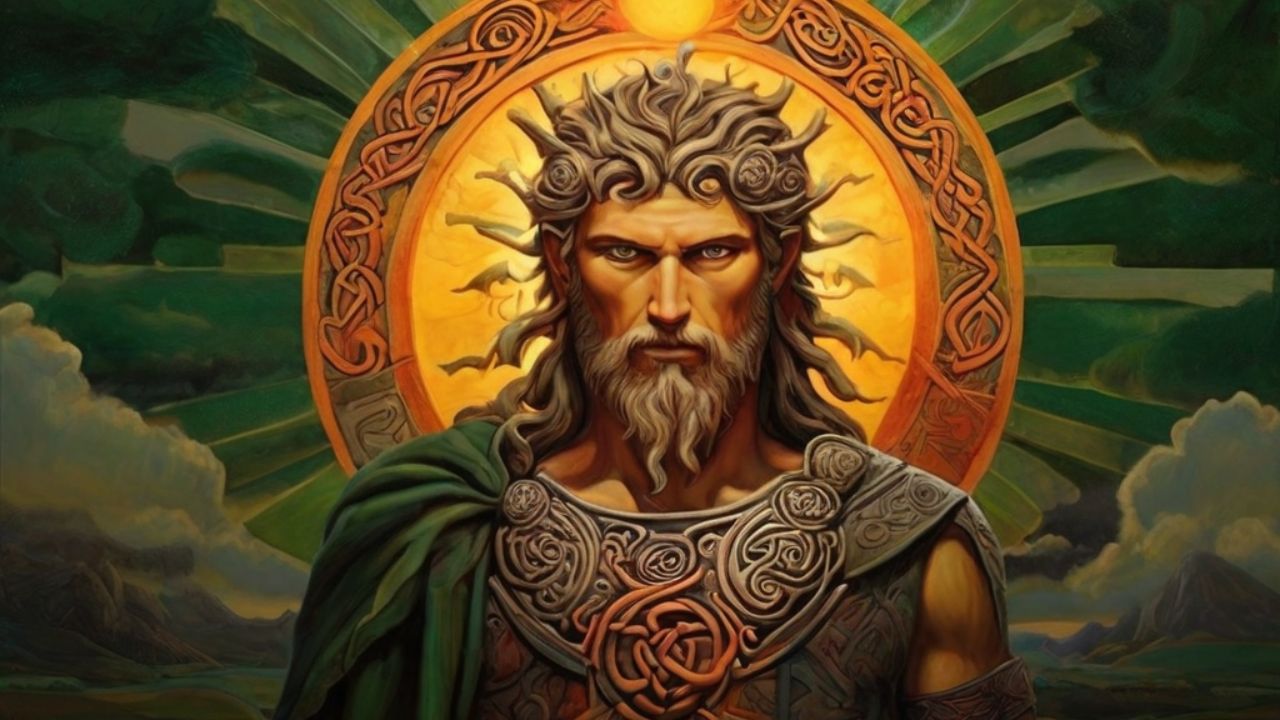
The Scottish Highlands have no shortage of myths and folklore, from selkies that shift between human and seal form (explore selkies in folklore) to heroic figures like the Celtic sun god Lugh (learn more here). Yet, none have captured the global imagination quite like the Loch Ness Monster, or “Nessie” as locals fondly call her.
Whether you see Nessie as a playful myth, a misunderstood natural phenomenon, or a relic from prehistory, the monster of Loch Ness remains one of the world’s most famous enigmas.
A Brief History of Nessie Sightings
The earliest mention of a creature in Loch Ness dates back to the 6th century, when Saint Columba reportedly encountered a “water beast.” Centuries later, the myth resurfaced during the 20th century with the famous “Surgeon’s Photograph” (later exposed as a hoax).
Yet, despite countless scientific investigations, sonar scans, and expeditions, Nessie has remained elusive.

Folklore and Cultural Significance
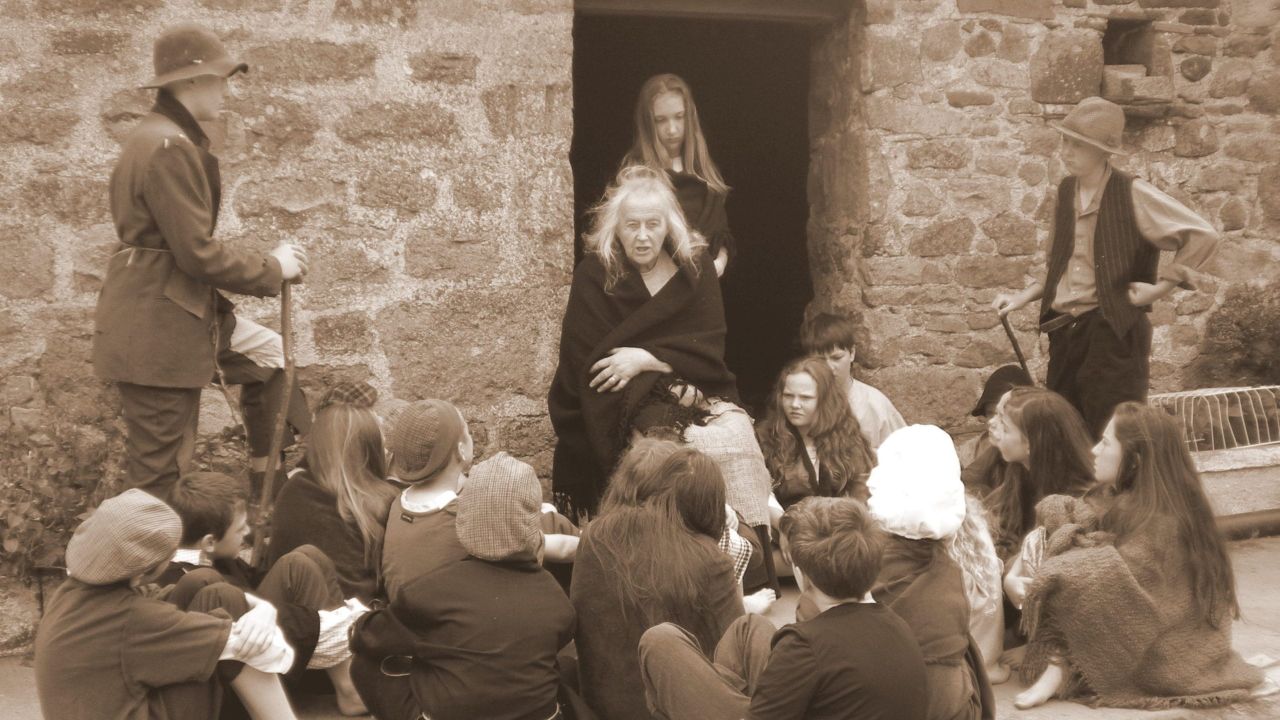
Like many myths, the Loch Ness Monster may serve as a cultural reflection of Scottish identity. Folklore has always played a vital role in Celtic traditions, stories that bind communities together, much like the Irish art of storytelling (read more).
In this sense, Nessie represents more than a creature; she embodies the mystery, resilience, and enduring magic of the Highlands.
Science vs. Legend
Scientific studies have suggested that many Nessie sightings could be explained by natural causes:
- Floating logs
- Optical illusions
- Large fish or eels
- Wave disturbances in the loch
But as with other Celtic myths from the Linton Worm (learn about it here) to the Fairy Glen (see legend) facts rarely diminish the allure of the story.
Loch Ness as a Cultural Landmark
Even if Nessie is never “proven,” the legend fuels tourism, literature, and art. Visitors to Scotland often seek the same breathtaking landscapes described in our feature on Loch Lomond and the Isle of Mull.
For the Highlands, Nessie is both a mystery and an economic treasure, continuing to inspire travelers, scholars, and dreamers alike.

Related Reads You Might Enjoy
- The Linton Worm: A Dragon in Scottish Folklore
- Legend of the Fairy Glen
- Selkies in Folklore
- Is Loch Lomond in the Highlands?
Conclusion: A Legend That Refuses to Sink
Whether Nessie is a prehistoric creature, a trick of the eye, or a shared cultural myth, one fact is undeniable: the Loch Ness Monster has become one of the most enduring legends in world folklore. Like the best of Celtic tales, she reminds us that not all mysteries are meant to be solved, some are meant to inspire.