
Irish Wool Spinning: Threads of Heritage and Craft

Wool spinning in Ireland is not just about fabric, it’s about memory. Each thread spun from fleece into yarn carried the story of rural families, their livelihoods, and their resilience. Just as Irish people are natural storytellers, the art of spinning was a narrative in itself—quiet, rhythmic, and deeply communal.
The Role of Wool in Irish Life
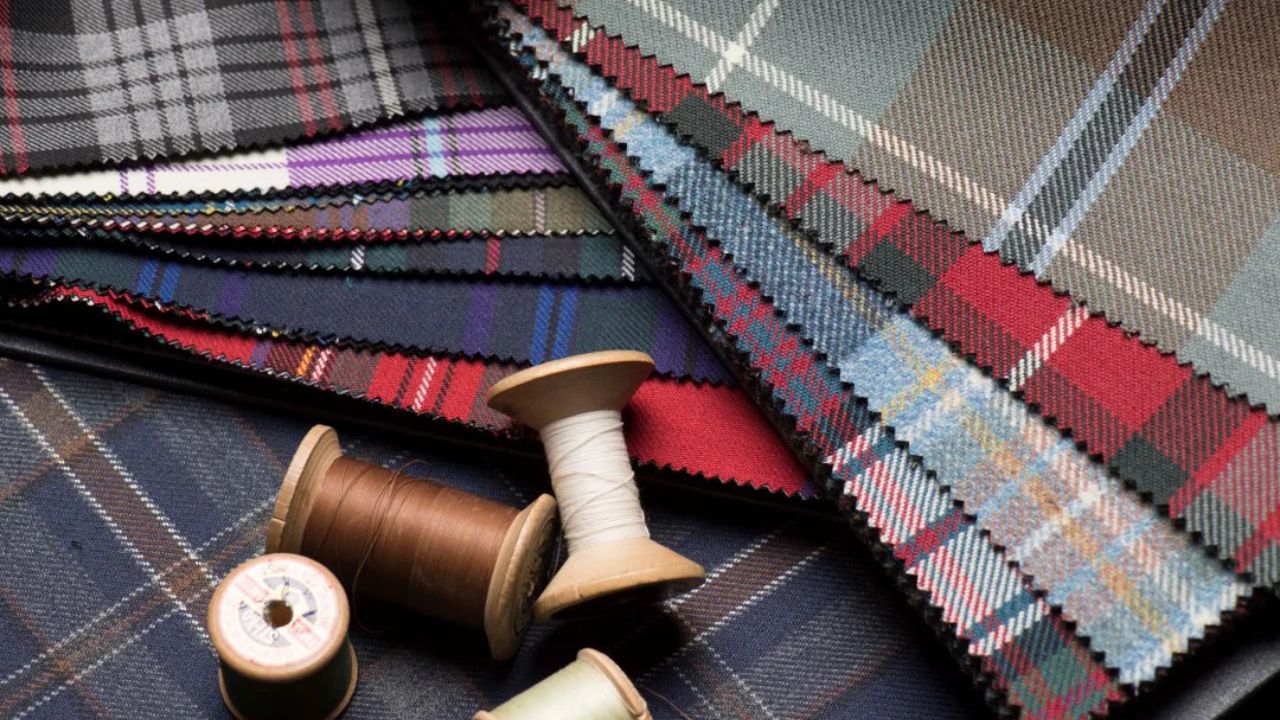
For centuries, wool was central to Irish rural economy. Sheep dotted the hillsides, their fleece providing warmth in cold winters and trade in local markets. From everyday garments to festive attire, wool was everywhere. In fact, the enduring love for patterned cloths like tartan and woven shawls owes something to this tradition of craft and color.

Traditional Techniques of Spinning
Irish wool spinning began with the distaff and spindle, later moving to the iconic spinning wheel. The work was often carried out by women, who turned fleece into usable yarn for knitting and weaving. Much like Celtic stone carvings, these textiles were both practical and artistic, combining necessity with creativity.

Wool, Famine, and Resilience
The history of Irish wool spinning cannot be separated from the island’s economic hardships. During the Irish Potato Famine, textiles became not only a means of survival but also a cultural expression of endurance. Wool garments were handed down through families, often patched and re-patched, carrying both warmth and memory.

From Cottage to Craft Revival
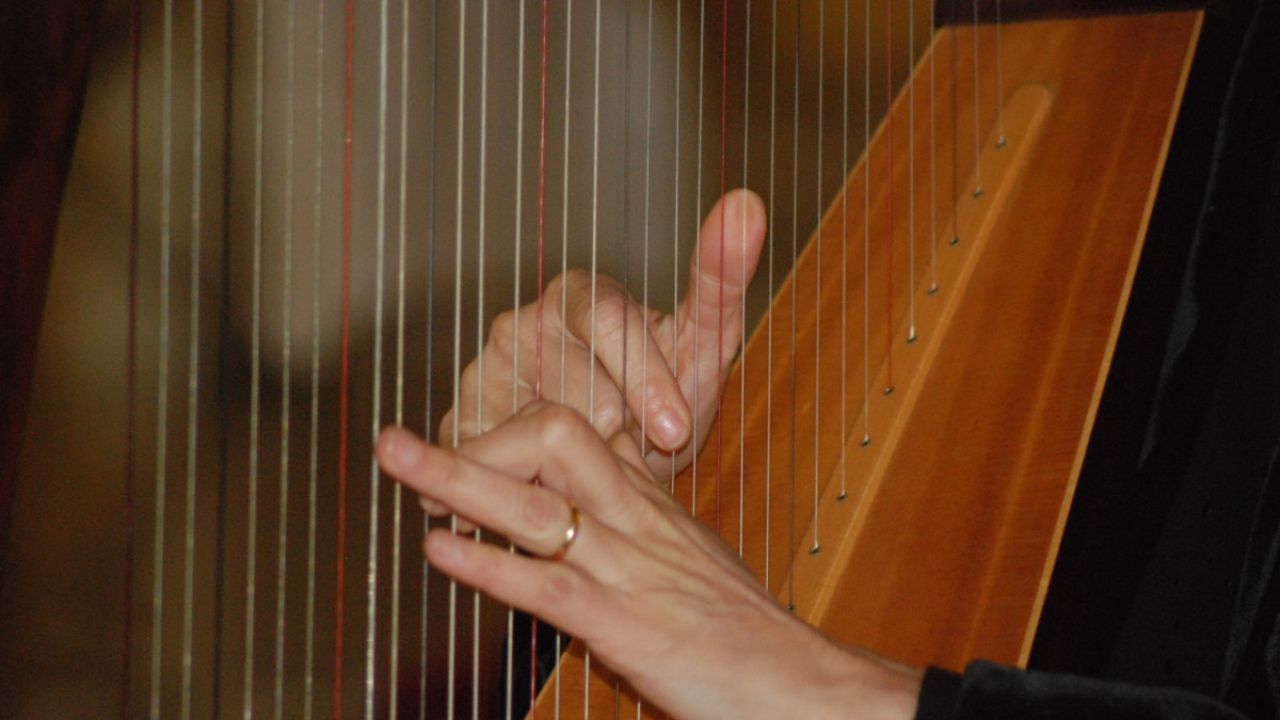
By the late 19th and early 20th centuries, cottage industries faced decline under industrial pressures. Yet, wool spinning never truly vanished. Local cooperatives and heritage movements revived it, positioning wool alongside other Celtic crafts such as the clarsach harp as cultural treasures. Today, Irish wool is celebrated in fashion houses and heritage fairs alike.
Wool as Identity
Spinning wool was never just an economic act—it was cultural identity in fiber form. Each garment spoke of place, family, and season. Just as Celtic oak trees symbolize rootedness, wool represented protection and endurance. Even today, wearing Irish wool is wearing history.

Conclusion: Threads That Bind
Irish wool spinning is more than a craft, it is a thread that binds past to present. From humble cottages to modern boutiques, the spinning wheel hums with continuity. Each strand of wool tells a story, one that still warms Ireland today.
For more on Celtic culture and heritage, explore the CeltGuide blog.