Irish Lighthouse Building – Guardians of the Atlantic

Few symbols capture Ireland’s relationship with the sea as powerfully as its lighthouses. Standing tall against waves and storms, they embody resilience, craftsmanship, and hope. Irish lighthouse building is not just an engineering achievement, it’s a story of survival and vision along one of Europe’s most dangerous coastlines.
Ireland’s shores face the wild Atlantic, where storms can roll in without warning. Shipwrecks once claimed countless lives and vessels. To confront these perils, communities built lighthouses—stone guardians that turned coastlines from danger zones into navigable waters.
Early Efforts: Protecting Sailors from the Atlantic
The history of Irish lighthouse construction stretches back to the 17th century. The first significant project, the Hook Lighthouse in County Wexford, remains one of the oldest operational lighthouses in the world. Built from solid limestone, it set the tone for centuries of design—durable, imposing, and unshakable.
As maritime trade expanded, the need for more lighthouses grew. Each tower served as both warning and welcome. For sailors leaving ports like Cork or Dublin, the beam of light was the difference between disaster and safe harbor.
Stone, Engineering, and Ingenuity
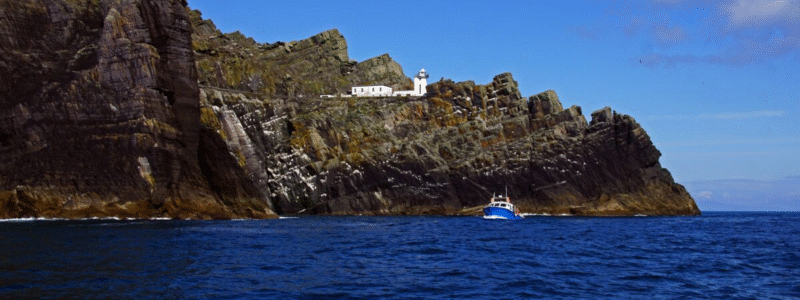
Irish lighthouse builders worked with the tools and knowledge available, often battling the very seas they sought to tame. Many structures rose from bare rock on remote headlands or tiny islands. Engineers hauled stone across treacherous waters, anchoring foundations deep into cliffs so that waves could never topple them.
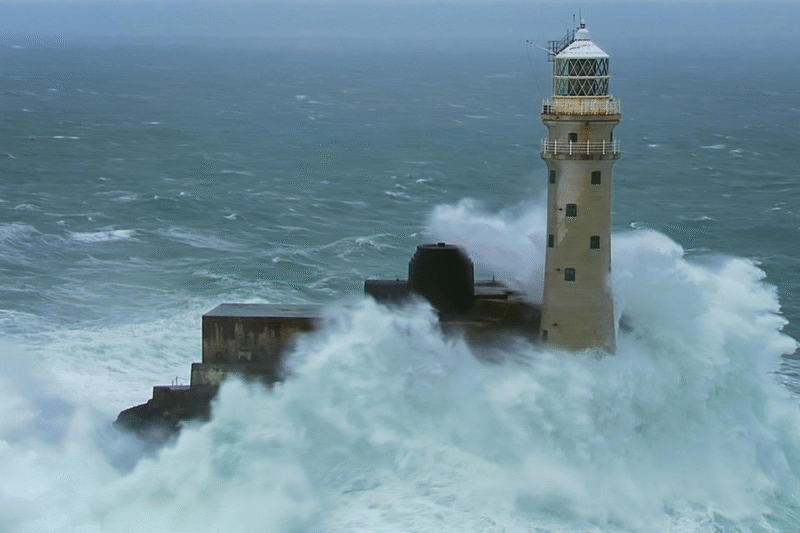
The 19th century brought advances in design. Granite towers rose high above the tide, with lantern rooms equipped with Fresnel lenses that amplified light. These innovations meant sailors could see beams stretching miles into the horizon. Each lighthouse became both an engineering feat and a beacon of human persistence.
Lighthouses and Celtic Identity
While these towers served practical roles, they also entered the cultural imagination. Lighthouses became part of Irish folklore, much like Celtic stone carvings or the oak tree’s symbolism. Fishermen often spoke of them with reverence, believing the lights carried the blessings of saints or the spirits of ancestors.
Their presence also shaped community identity. Towns near lighthouses often relied on the keepers and their families, who lived in near-isolation. Like Irish storytellers, lighthouse keepers became custodians of memory, preserving tales of storms, rescues, and miracles.
Life of the Lighthouse Keeper
Before automation, lighthouses demanded round-the-clock attention. Keepers trimmed wicks, polished lenses, and recorded weather. Their lives were marked by solitude, but also deep responsibility. Many worked in pairs or families, ensuring no flame ever went out.
Though technology eventually replaced them, their role remains celebrated in maritime history. They stood as living embodiments of duty—ordinary people entrusted with extraordinary vigilance.
Legacy of Irish Lighthouse Building
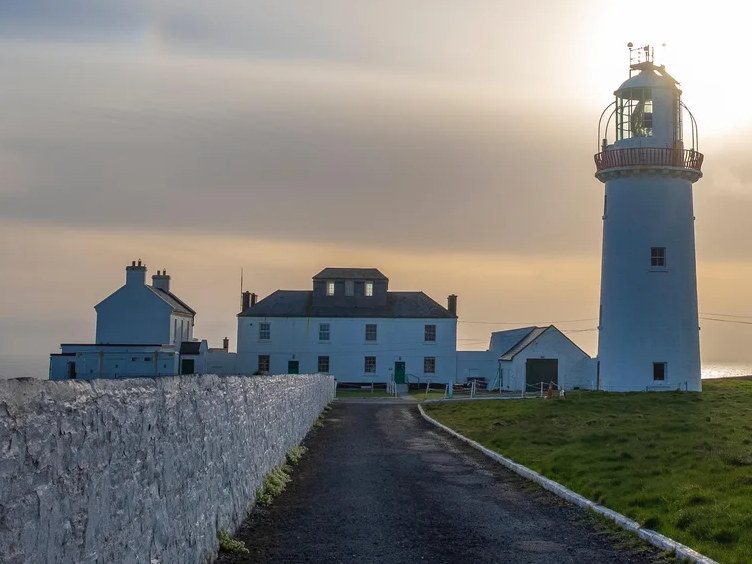
Today, Irish lighthouses serve both as navigational aids and cultural landmarks. Structures like Fastnet, Skellig Michael, and Fanad Head attract visitors who admire their rugged beauty. They remain testaments to Ireland’s ability to turn stone, light, and human will into enduring guardians of the sea.
Much like the Claddagh Ring’s symbolism, these towers speak of loyalty, guidance, and protection. They remind us that survival on the edge of the Atlantic has always required both skill and spirit.
Conclusion: Beacons That Still Shine
Irish lighthouse building is more than maritime engineering, it is cultural heritage. These stone towers embody the meeting of necessity, resilience, and imagination. They remind us that Ireland, shaped by sea and storm, always found ways to guide its people home