The Celtic Festival of Beltane: Fire, Fertility, and Ancient Renewal

Every spring, when the hills of Ireland and Scotland began to green, the Celts gathered to celebrate Beltane, the festival that marked the bright half of the year. Rooted in Gaelic tradition, Beltane celebrated fertility, renewal, and the sacred balance between the human and the divine.
Origins and Meaning of Beltane
The word Beltane (or Bealtaine in Irish) translates to “bright fire.” It honored the god Belenus, a Celtic sun deity linked with healing and vitality. Much like Lugh, the Celtic Sun God, Belenus symbolized warmth and life’s returning energy.
Beltane sat opposite Samhain, the festival of death and winter. Where Samhain invited spirits, Beltane opened the gates to fertility and life. The two stood as mirrors; death and rebirth, shadow and flame.

Rituals of Fire and Fertility
Fire was the heart of Beltane. Druids lit two great bonfires on sacred hills, and people led their cattle between them to bless the herds with protection and abundance. Couples leapt through the flames to ensure passion and prosperity for the coming year.
The fires weren’t just symbolic, they were a way to cleanse and energize. The smoke, thought to hold magical power, was carried home to rekindle hearths for the new season.
For Celts, Beltane wasn’t only ritual; it was survival. It ensured crops would grow, animals would breed, and communities would thrive.

Maypoles, Music, and Merrymaking
The iconic Maypole dance, though later adopted across Europe, likely has Celtic origins. Ribbons and garlands woven around the pole represented the union of earth and sky, a theme seen throughout Celtic mythology.
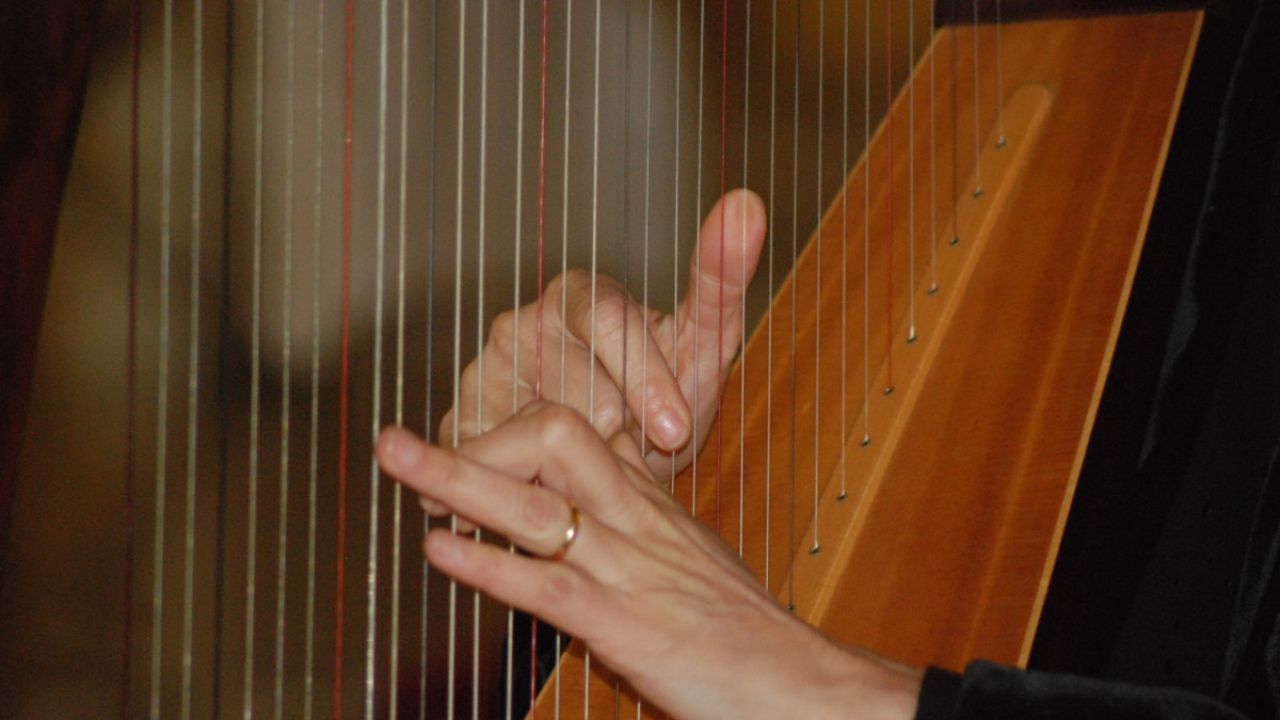
Music and storytelling were central to Beltane festivities. Poets, bards, and musicians performed lively tunes that echoed the pulse of the land, much like the rhythms of Ceili bands.
The sound of the bodhrán drum, explored in The Bodhrán Drum, mimicked the heartbeat of the earth, grounding the dancers as they moved through the night.

Sacred Sites and Thin Places
Many Beltane fires were lit on sacred high places — Hill of Tara, Calton Hill, and other ancient mounds tied to the gods. These locations, much like those mentioned in Irish Holy Wells: Portals to the Past, were believed to be “thin places,” where the veil between worlds grew light.
Offerings of milk, honey, and flowers were left for the fair folk, whose blessings were sought for good fortune. Legends say that those who disrespected these spirits during Beltane risked their wrath — a reminder that balance with nature was sacred in Celtic belief.
Beltane in Modern Times
Today, Beltane lives on through festivals in Edinburgh, Dublin, and beyond. Modern pagans and heritage communities celebrate it with bonfires, dance, and song, a beautiful continuity of ancient Celtic customs.
At its core, Beltane reminds us that life is cyclical. It’s the spark that drives growth, community, and connection to the land. In the spirit of Why Irish People Are Natural Storytellers, the festival carries forward the eternal story of renewal.

Conclusion: A Living Fire
The Festival of Beltane is more than myth; it’s a living fire that connects us to the Celts’ deep respect for nature and life’s cycles. As the flames of May rise, they carry with them the same ancient promise — warmth, love, and the power of renewal.
So when spring unfolds, remember the Celts’ call to dance, light, and celebrate life’s endless return.