
Scottish Gaelic Psalms: Voices of Faith and Tradition
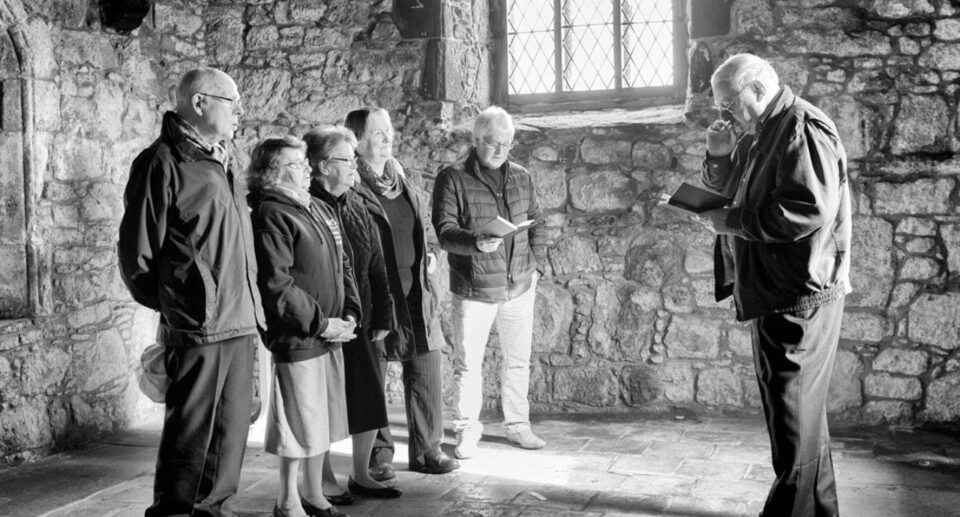
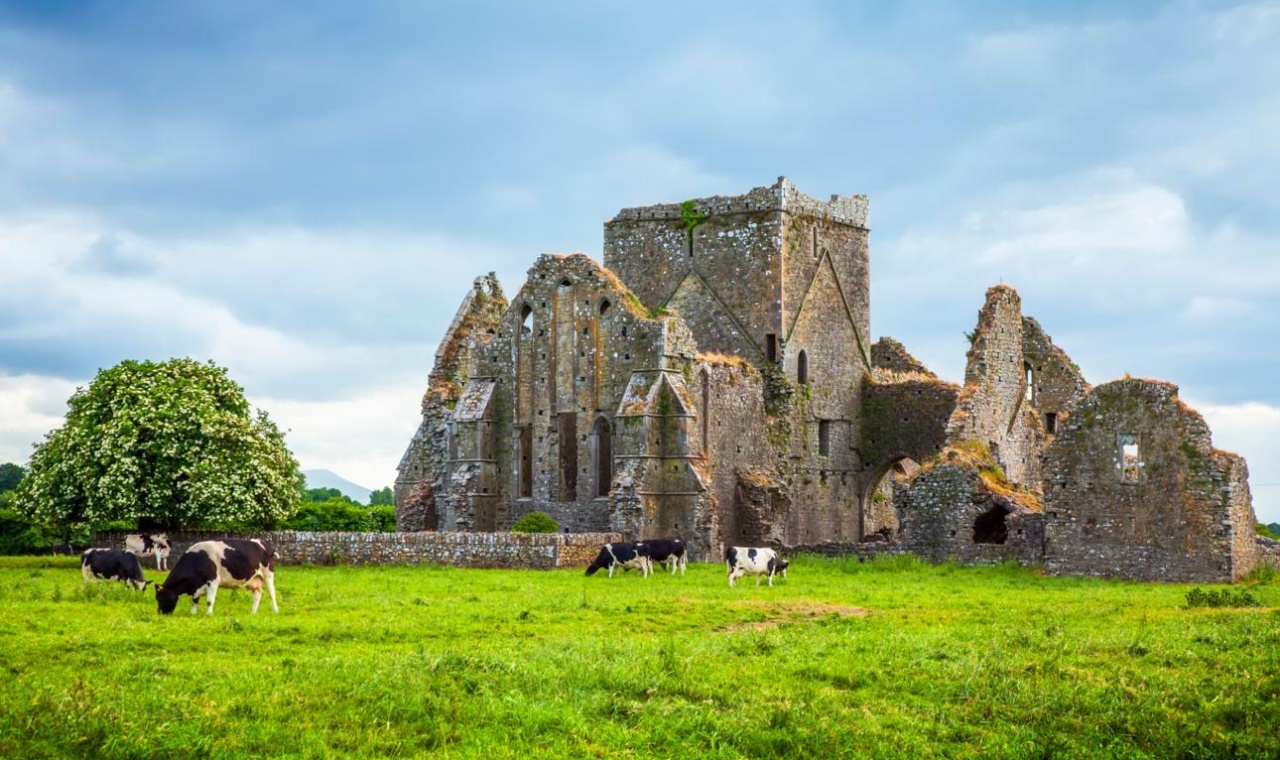
Step into a small Highland kirk on a Sunday, and you may hear a sound unlike anything else in Europe, the Scottish Gaelic psalms. Slow, powerful, and deeply communal, this tradition of worship combines biblical text with Gaelic musical expression, creating a soundscape at once ancient and moving.
Scottish Gaelic psalms are a form of communal Christian singing in the Scottish Highlands, blending biblical psalms with Gaelic oral tradition.
Origins of Gaelic Psalm Singing
The practice dates back to the 17th century, when metrical psalms were translated into Gaelic. Over time, congregations developed a distinctive style: one leader, known as the precentor, would begin a line, and the congregation would follow, weaving their voices into drawn-out, ornamented melodies.
This echoes the oral traditions of storytelling (Why are Irish people natural storytellers?) where memory, rhythm, and performance were central to cultural life.
The Sound of Community
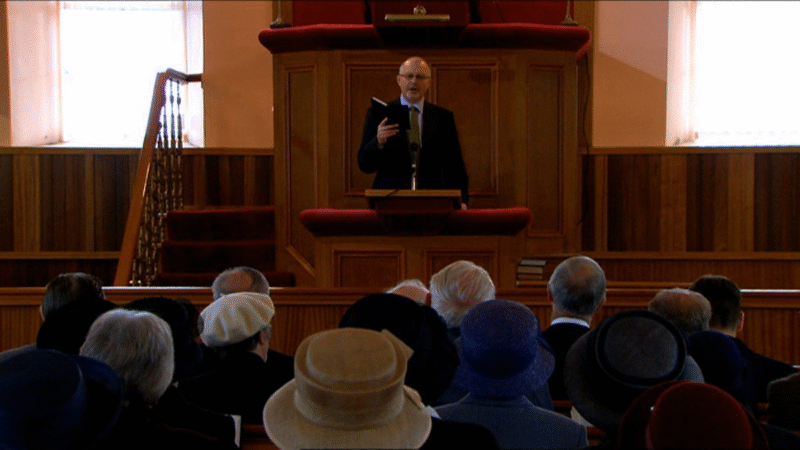
Unlike polished choir singing, Gaelic psalmody thrives on variation. Each voice bends the melody differently, creating a collective wave of sound that is both individual and unified.
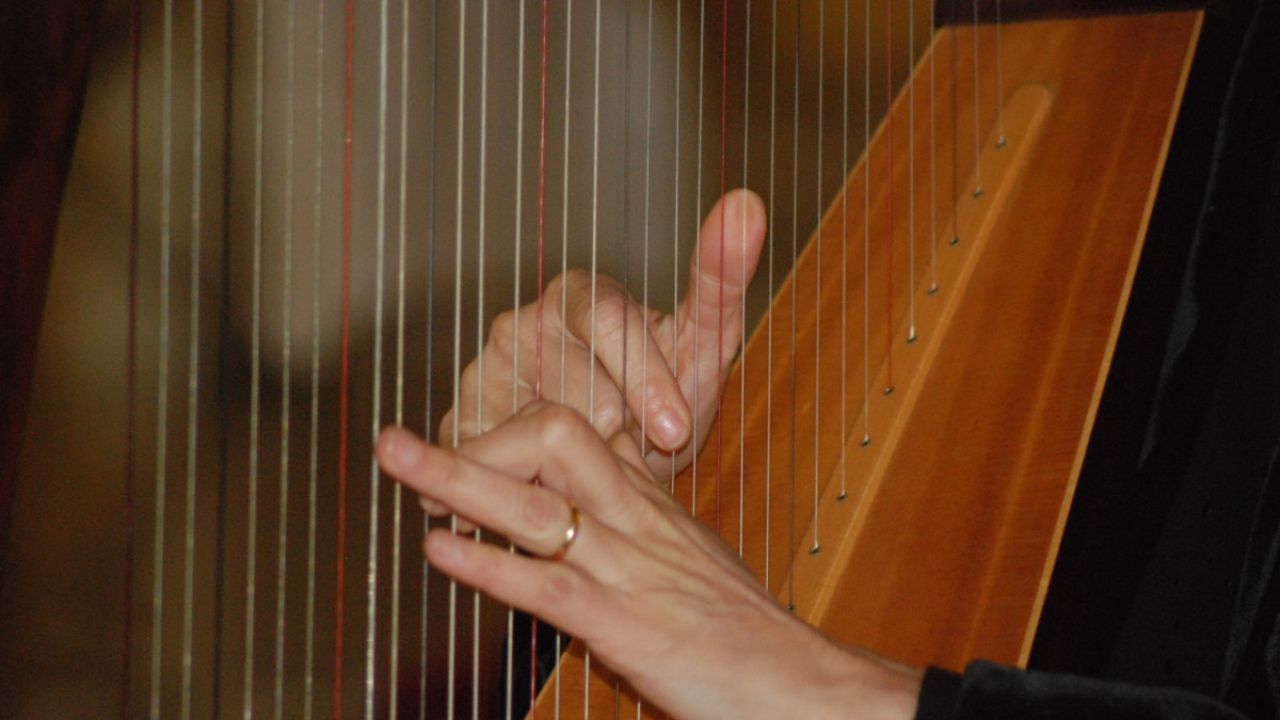
This call-and-response style reflects the same communal spirit found in Celtic music and dance traditions such as Ceili bands and fiddle music, where participation mattered more than perfection.
Language, Faith, and Identity
Gaelic psalms are more than music, they are a declaration of cultural resilience. In communities where the Scottish Gaelic Bible shaped worship, psalm singing became a powerful bond between faith and language.
For many Highlanders, the psalms serve as a spiritual continuation of ancient Celtic oral poetry (Gaelic Irish proverbs) carrying moral truths through rhythm, repetition, and performance.
Gaelic Psalms in the Modern World
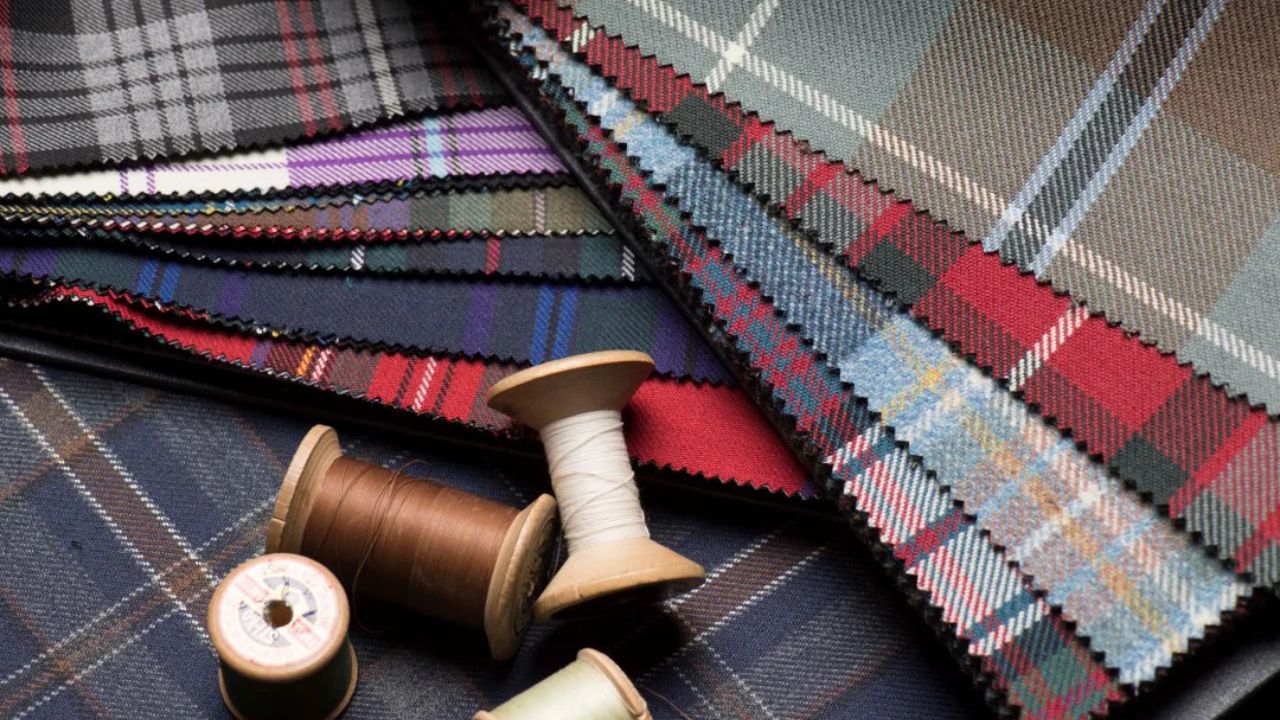
Today, Gaelic psalm singing survives mainly in the Outer Hebrides. While some fear decline, recordings and cultural festivals preserve this hauntingly beautiful tradition. Just as tartans connect Scots to their clans (What is tartan?), psalms connect Gaelic speakers to both faith and heritage.
Events like the Highland Games and local kirk gatherings ensure that Gaelic psalms remain not relics, but living traditions.
Wrap-Up: A Heritage in Song
The Scottish Gaelic psalms remind us that worship is not only about words, but about how a community breathes those words into life. Through their drawn-out melodies and layered voices, the Highlands keep alive a practice where faith, language, and identity intertwine.
Much like the enduring Celtic oak tree (Celtic oak tree), Gaelic psalms stand tall as living symbols of continuity and strength.