The Celtic Hero Fionn MacCumhaill: Ireland’s Legendary Warrior and Poet

Few figures in Celtic mythology command as much reverence as Fionn MacCumhaill. The hunter, warrior, poet, and leader of the Fianna, a band of noble warriors who protected Ireland in mythic times. His story bridges the mystical and the moral, revealing a hero shaped as much by wisdom as by strength.
Fionn’s legend sits alongside tales of the Celtic Sun God Lugh (read about Lugh here) and the Cauldron of Dagda (explore the Dagda’s power), forming a cornerstone of Ireland’s mythic tradition.
The Origins of Fionn MacCumhaill
Fionn’s name means “fair-haired” or “bright”, and his destiny seemed illuminated from birth. His father, Cumhaill, was slain before Fionn’s birth, forcing his mother, Muirne, to hide the child deep in the Irish forests. Raised by the wise druidess Bodhmall and the warrior Liath Luachra, Fionn grew up mastering the arts of hunting, combat, and poetry.
The Salmon of Knowledge: Fionn’s Gift of Wisdom
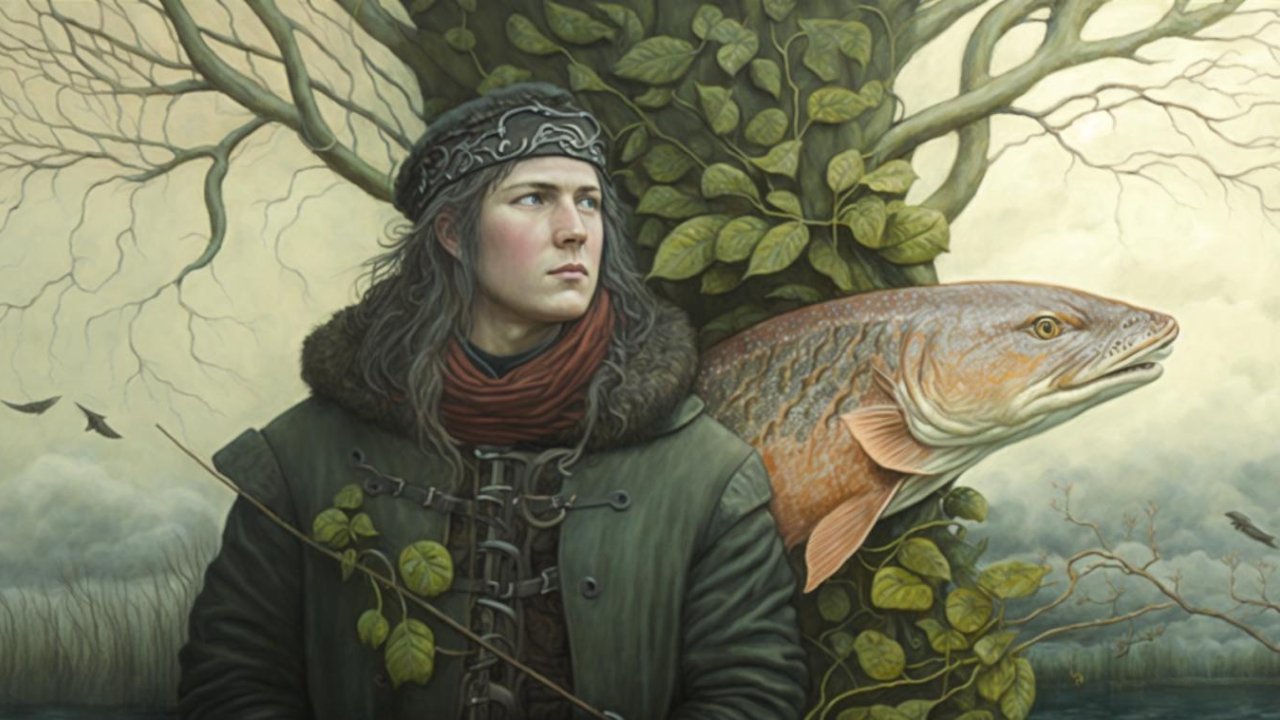
The turning point in Fionn’s life came when he served the poet Finnegas, who sought the Salmon of Knowledge—a mystical fish that granted omniscience to whoever tasted it. When Fionn accidentally burned his thumb while cooking the salmon and placed it in his mouth, wisdom flowed through him.
From that moment, whenever he needed insight, Fionn touched his thumb to his lips—a symbolic act linking intuition and enlightenment. This tale echoes Ireland’s deep respect for wisdom through experience, much like the proverbs celebrated in Gaelic Irish Proverbs.
Fionn and the Fianna: Defenders of Ireland
As he matured, Fionn claimed his rightful place as leader of the Fianna Éireann, a band of elite warriors bound by honor, loyalty, and poetry. They upheld justice, guarded the High King, and protected Ireland from threats both mortal and supernatural.
The Fianna’s adventures reflect the fusion of strength and artistry—a spirit that still thrives in Ireland’s storytelling culture (discover why Irish people are natural storytellers).
Love, Loss, and the Lament of Oisín
Fionn’s story isn’t all triumph. His son, Oisín, fell in love with Niamh of the Golden Hair and journeyed to the mystical Tír na nÓg, the Land of Eternal Youth. When Oisín returned centuries later, Ireland had changed beyond recognition. The legend reflects the Celtic idea of time as cyclical, not linear—a belief still visible in the spiritual landscapes like the Hill of Tara.
The Giant’s Causeway and Fionn’s Feats
Perhaps the most famous story links Fionn to the Giant’s Causeway, a natural wonder in County Antrim. Legend claims Fionn built it as a path to Scotland to face his rival, Benandonner. When the Scottish giant proved enormous, Fionn’s wife, Sadhbh, disguised him as a baby. Seeing the “infant’s” size, Benandonner fled in terror, believing Fionn must be a giant beyond imagination.
The story blends humor and heroism, echoing the same wit and creativity celebrated in Celtic storytelling and folklore like The Legend of the Fairy Glen.
Symbolism and Legacy of Fionn MacCumhaill
Fionn stands as a Celtic archetype of balance—strength guided by intellect, courage tempered with compassion. His connection to the land, wisdom, and poetry mirrors Ireland’s enduring reverence for nature and knowledge.
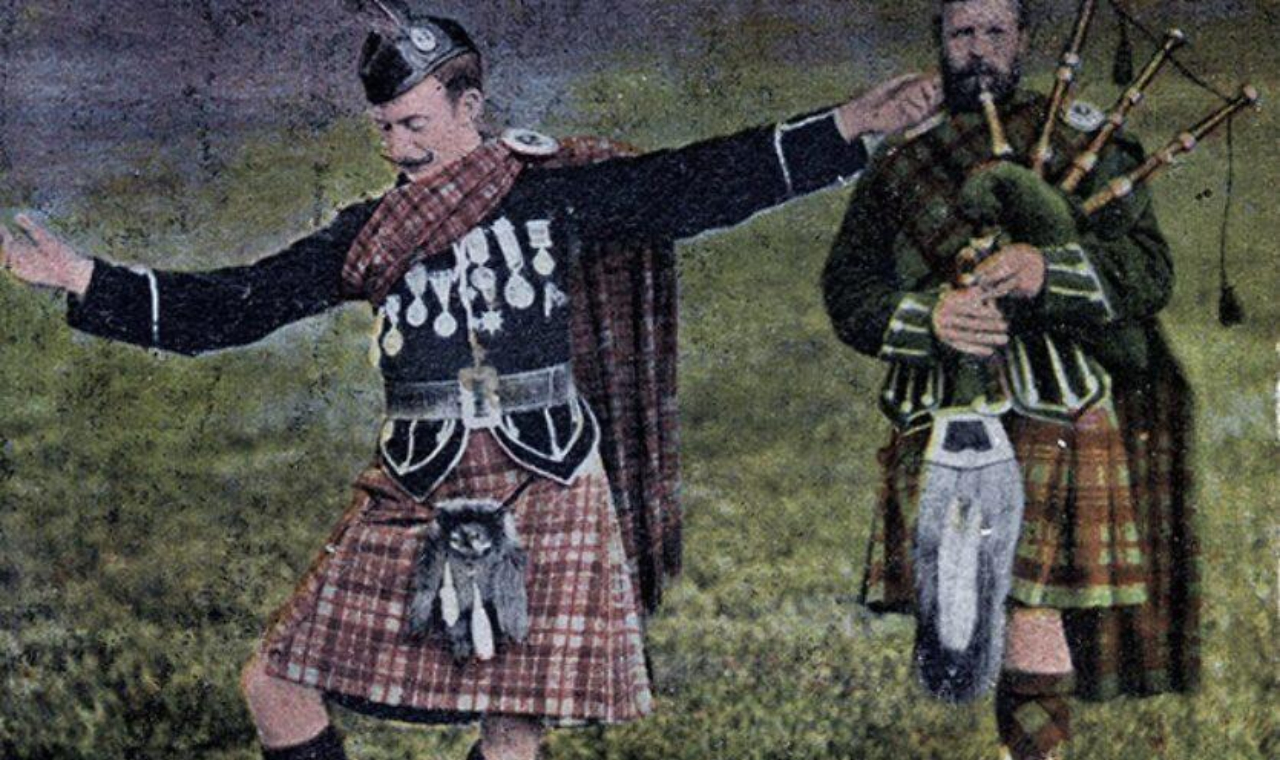
Even today, his legend inspires literature, film, and cultural events like the Highland Games (see the 2025 events list) celebrate ancestral valor in Scotland.
Conclusion: Fionn’s Spirit in the Modern Celtic World
Fionn MacCumhaill is not merely a mythic hero. He embodies a Celtic philosophy of harmony between body and mind, nature and spirit, courage and curiosity. His stories continue to shape Ireland’s cultural imagination, living on in the poetry, songs, and stories. It still echo across its hills and hearths.
To explore more legends that shaped Celtic identity, visit our Mythology & Folklore section.