The Meaning of Irish Toasts and Cheers (Sláinte)

There’s a certain warmth in the way the Irish raise a glass. It’s not just a toast, it’s a reflection of centuries of hospitality, wit, and togetherness. And at the heart of it all is one small but mighty word: “Sláinte” (pronounced slawn-cha).
What Does “Sláinte” Mean?
Sláinte comes from the Irish Gaelic language, meaning “health.” It’s short for “Sláinte mhaith” (pronounced slawn-cha vah), which means “good health.”
When someone says Sláinte while toasting, they’re not just wishing for physical well-being. They’re expressing a deep hope for good fortune, long life, and shared joy. It’s a linguistic bridge between friendship and celebration.
A Toast Rooted in Irish Tradition
The Irish have always been storytellers. As explored in this piece on why Irish people are natural storytellers, language and rhythm flow through Irish life like a melody. So, when you hear a toast, it’s rarely just a few words. It’s a mini-story—one that reflects humor, hope, or even mischief.
Centuries ago, sharing a drink meant more than leisure. It symbolized trust. When two people raised a glass and said Sláinte, they acknowledged mutual respect and community. In Celtic societies, where kinship was sacred, this act was both social and spiritual.

The Art of Irish Toasts
Irish toasts are as diverse as the people who share them. Some are playful, others poetic, but each carries that distinct Irish charm.
A few classic examples:
- “May you live as long as you want, and never want as long as you live.”
- “Here’s to our wives and girlfriends — may they never meet!”
- “May your glass be ever full, may the roof over your head be always strong, and may you be in heaven half an hour before the devil knows you’re dead.”
Each line carries humor and wisdom, balancing joy and reflection like much of Irish folklore, seen in tales such as the Legend of the Fairy Glen.

“Sláinte” Beyond the Pub
Though most people hear Sláinte during a night out, its essence reaches beyond the pub. It’s a cultural gesture, a reminder to cherish life’s moments, no matter how small.
In rural Ireland, toasting often marked major events: weddings, harvests, or community gatherings. Like the rhythms of the bodhrán drum, it set the tone for unity and celebration.
Modern Irish culture still holds fast to this ritual, especially on days like St. Patrick’s Day. Whether shared in a Dublin bar or a home across the Atlantic, Sláinte remains a symbol of Celtic resilience and togetherness.
Connection to Gaelic Roots
The Irish language, or Gaeilge, gives deep meaning to everyday words. Toasts like Sláinte are part of the linguistic heritage that ties modern Ireland to its Celtic ancestors.
Much like Gaelic proverbs that offer life lessons in a few elegant words, Sláinte embodies both gratitude and grace. Saying it aloud is a nod to those who came before—to the ancestors who found joy even in hard times.

The Global Echo of “Sláinte”
Today, Sláinte has traveled far beyond Ireland. In Scotland, people also say it with slight variations in spelling and accent. It’s even found its way into pubs in New York, Sydney, and Cape Town.
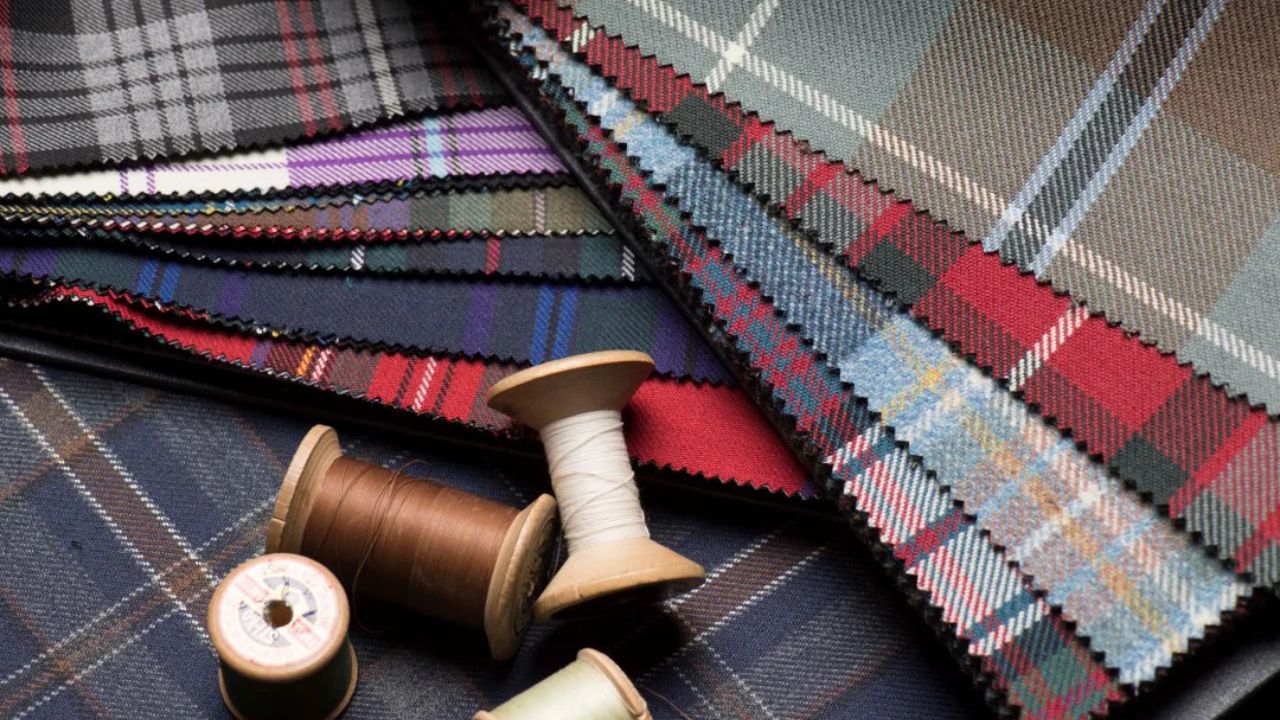
Just as tartans and kilts spread Celtic identity worldwide (see What Is an Irish Kilt?), Sláinte carries the Irish spirit across oceans. It’s a reminder that no matter where you are, a shared drink and kind words can bridge worlds.
A Modern Toast to Ancient Roots
So next time you raise a glass and say Sláinte, take a moment to feel the history behind it. You’re echoing the voices of poets, warriors, and wanderers.
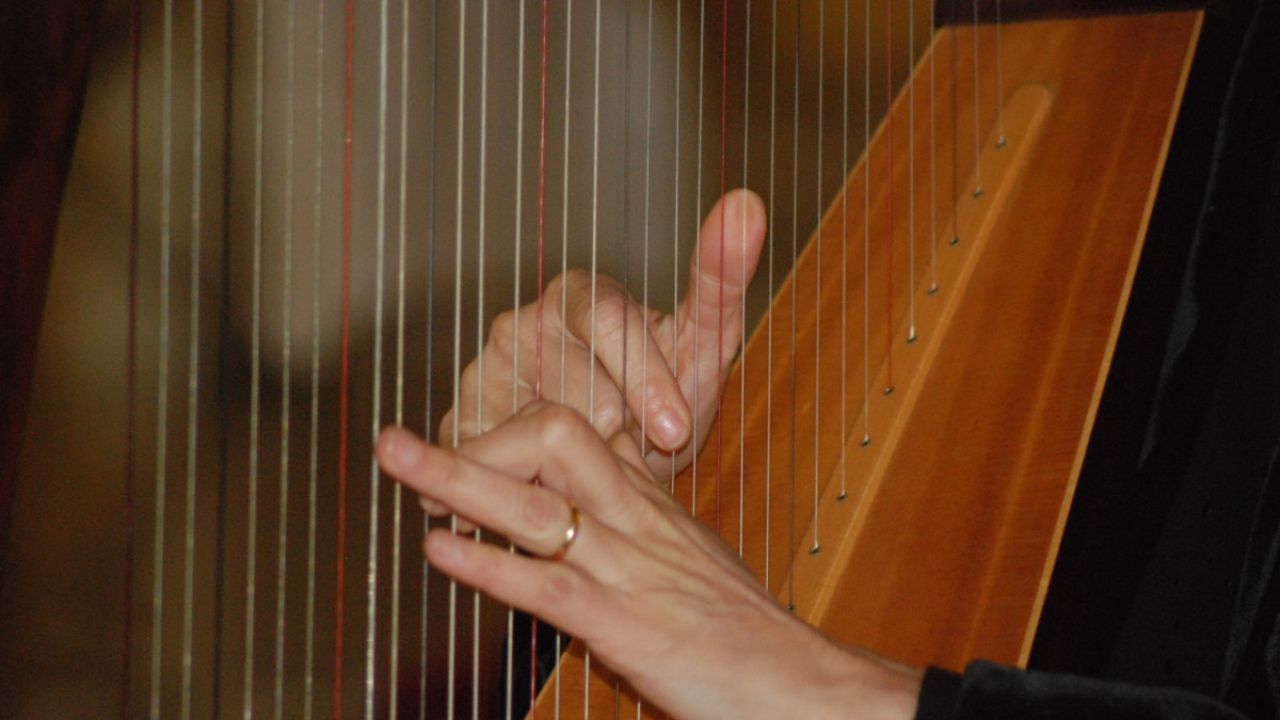
You’re part of a story that stretches back to the hills of Tara and the music of the clarsach harp—symbols of Irish endurance and joy, celebrated in What Is a Clarsach?.
May your glass never empty, your laughter always rise, and your heart always say Sláinte.