
Gaelic Song Festival Tradition: Heart of the Mòd
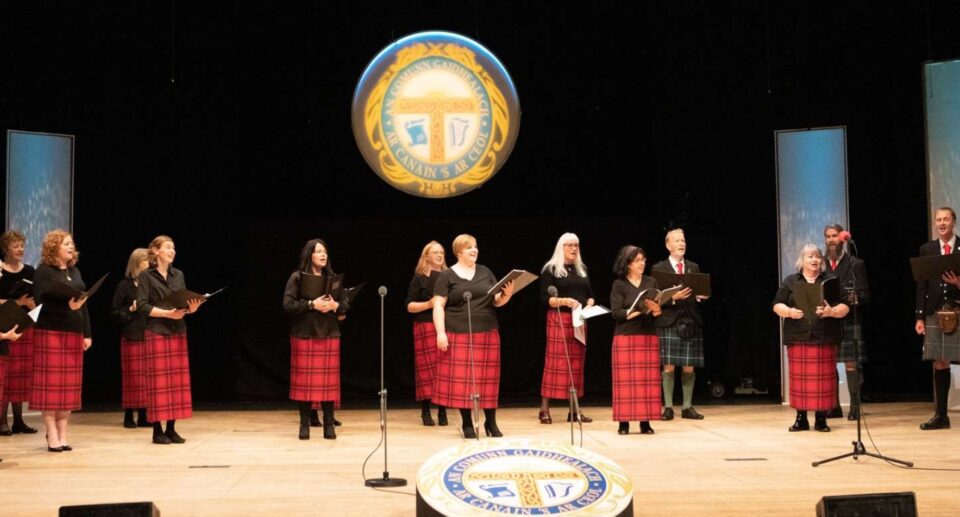
Walk into a Gaelic song festival, the Mòd, and you feel something rare.
Voices rise, conversations switch naturally into Gaelic, and communities reconnect.
The Mòd doesn’t exist only to entertain.
It creates a space where language and identity breathe together.
What Makes the Mòd Unique?
The word “Mòd” means assembly.
Historically, people gathered to sing, debate, recite poetry, and share knowledge.
Today, the Royal National Mòd remains the most important Gaelic festival in Scotland.
Schools, choirs, soloists, and storytellers arrive from every region. The atmosphere feels competitive but supportive.
It reflects the role storytelling has always played across Celtic societies.
You can dive deeper into that tradition here:
https://celtguide.com/why-are-irish-people-natural-storytellers/
Why Gaelic Songs Matter
Gaelic songs preserve memory.
They carry the sorrow of exile, the joy of reunion, and the rhythm of everyday rural life.
When we sing these songs, we don’t just remember history —
we participate in it.
Music has always shaped Celtic identity.
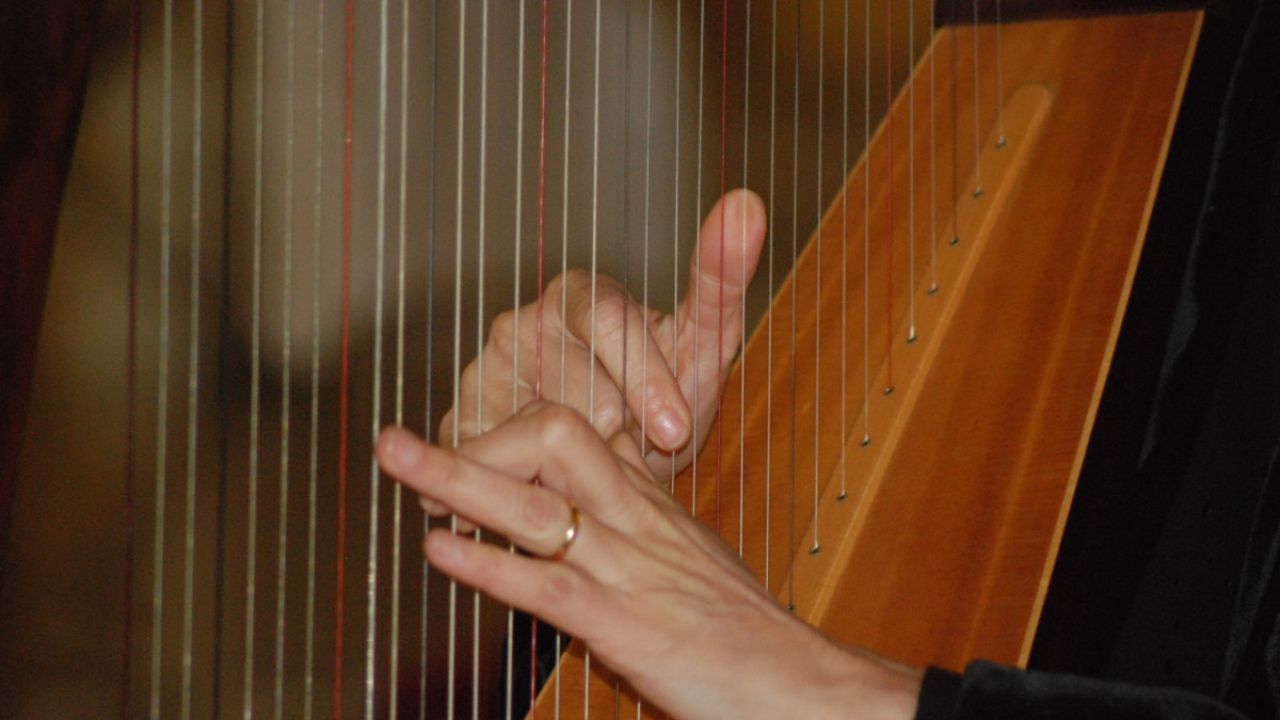
Consider the clarsach (the Celtic harp), which continues to hold emotional power:
https://celtguide.com/what-is-a-clarsach-a-comprehensive-guide-to-the-celtic-harp/
The Mòd ensures those emotional traditions remain part of modern life.
Competitions With Heart
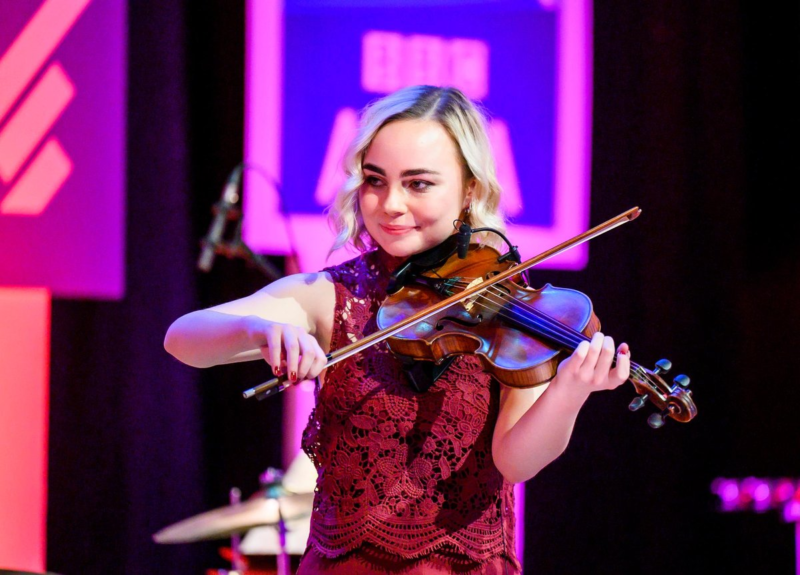
Yes, the Mòd includes competitions but they feel purposeful.
Performers focus on:
- clear pronunciation
- emotional depth
- respect for tradition
Judges guide rather than criticize. Young singers learn technique while gaining pride in their language.
This mirrors the culture of shared music found in other Celtic traditions like fiddle music:
https://celtguide.com/fiddle-music/
Competition strengthens community instead of dividing it, which is rare.
The Mòd as Community Gathering
During Mòd week, a town transforms.
Cafés hum with conversation. Local halls fill with rehearsals.
Visitors feel welcomed into something living rather than staged.
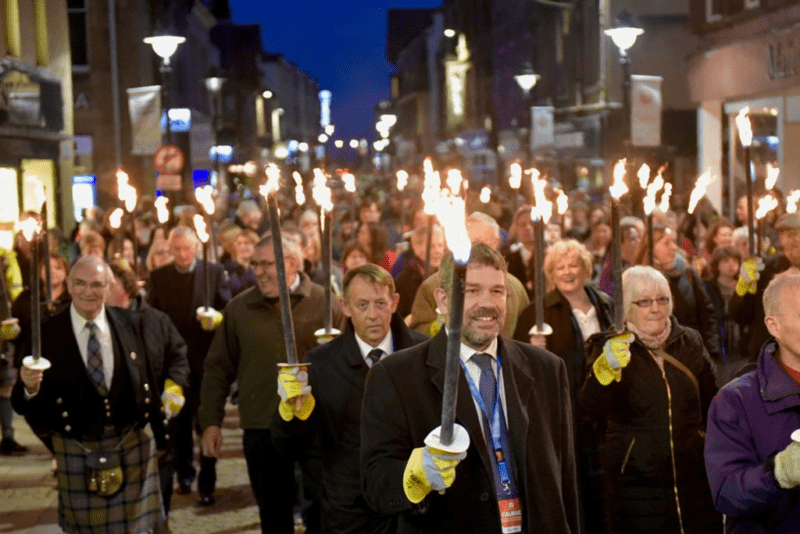
The communal spirit reminds many people of the Highland Games, where heritage also brings people together:
https://celtguide.com/events-to-watch-in-highland-games-2025/
This blending of daily life and cultural pride is what keeps Gaelic traditions meaningful.
Tradition Meeting the Future
Gaelic faces challenges and yet, at the Mòd, you see hope everywhere.
Teenagers compose new songs. Choirs record digital albums. Teachers introduce children to their first Gaelic words through music.
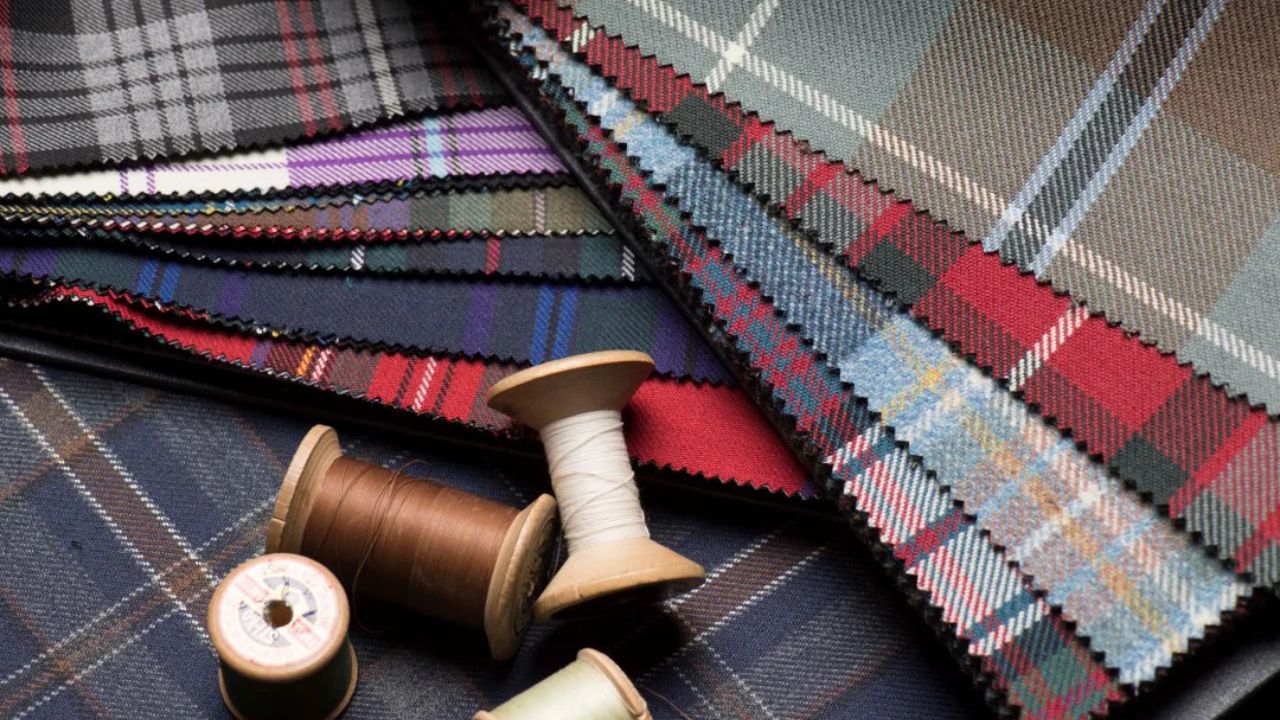
Instead of freezing tradition in time, the Mòd adapts, much like the way tartan continues evolving:
https://celtguide.com/what-is-tartan/
The festival shows that heritage thrives when people actively use it.
Thinking of Attending?
Arrive early, listen to rehearsals, and talk to locals.
You’ll discover that the Mòd isn’t only watched, it is lived.
If you’d like to explore more Celtic culture before your visit, browse our blog library here:
https://celtguide.com/blog/
Closing Thoughts
The Mòd stands as proof that culture survives through participation.
Not through museums alone, not through nostalgia,
but through voices raised together in song.
It is a festival of memory, language, and belonging and it continues to shape the future of Gaelic life.