
Clan Battles at Glen Shiel: Scotland’s Defiant Clans

In the misted glen of Kintail, surrounded by the towering peaks of the Scottish Highlands, echoes of battle once shook the valley. The Battle of Glen Shiel, fought on June 10, 1719, stands as a testament to the courage, loyalty, and complex alliances of Scotland’s clans. Though often overshadowed by the great Jacobite Rising of 1745, this earlier conflict reveals a story of foreign intrigue, clan honor, and defiance written into Highland soil.
A Storm Before the Rising: Setting the Scene
The early 18th century was a time of political turbulence. The Jacobite cause, which sought to restore the exiled Stuart kings to the British throne, continued to burn in the hearts of many Highlanders. After the failure of the 1715 Rising, hopes reignited with Spanish support in 1719.
The rugged glen of Glen Shiel, nestled near Loch Lomond, became the stage for this bold but doomed rebellion.
The Gathering of the Clans
The Jacobite force numbered around a thousand men—many drawn from the proud Highland clans: Clan MacKenzie, Clan Cameron, Clan MacDonald, and Clan MacGregor, to name a few. They were joined by 200 Spanish soldiers, seasoned in warfare but far from home.
Their adversary was the British government army, commanded by General Joseph Wightman, which included regular troops and loyalist Highlanders. The British artillery, positioned high upon the hills, would soon decide the battle’s fate.
For a moment, however, clan banners fluttered once more in the Highland breeze, a defiant sight reminiscent of traditions celebrated in modern gatherings like the Highland Games.

The Battle Unfolds
On June 10th, the two forces clashed amid rain and smoke. The Jacobite clans, occupying the steep slopes of the glen, fought with fierce skill and determination. But as government cannon fire tore through their positions, the tide turned swiftly.
By dusk, the Spanish contingent surrendered, and the Highlanders melted back into the mountains they knew so well. The Jacobite dream of 1719 had failed, yet the battle’s spirit lived on in song and legend.
As Celtic storytellers often remind us, defeat in the Highlands rarely meant silence, it meant endurance.

Clans and Honor: Beyond Victory and Defeat
To understand the clans at Glen Shiel is to understand a code of loyalty that transcended politics. For the Highlanders, battles were not only about kings but kinship, courage, and the preservation of culture.
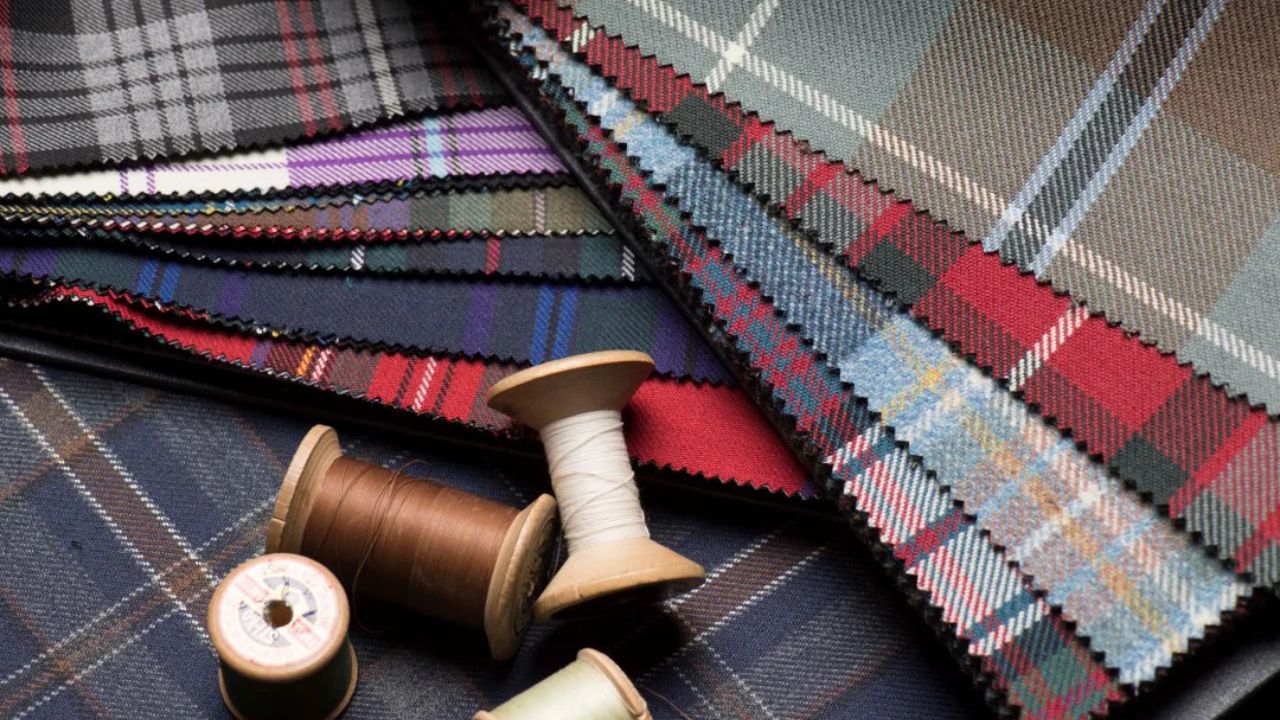
The tartans they wore, like those explored in What is Tartan?, were more than patterns, they were living emblems of identity. To march beneath them, even against impossible odds, was to declare one’s place in a lineage stretching back centuries.
Glen Shiel’s combatants may not have claimed victory, but they preserved something more enduring: the honor of their clans.

Echoes Through Time
Today, the quiet glen bears no scars of war—only memorial stones and wind-whispered memories. The site remains a place of pilgrimage for those who seek to connect with Scotland’s turbulent yet proud past.
For students of Highland history, Glen Shiel is a microcosm of the Scottish spirit: undaunted, loyal, and profoundly human. It embodies the same enduring cultural pride celebrated in traditions such as the Scottish Tartan Shawl and the Dirk Knife, symbols of honor that trace their lineage to these very glens.

Legacy of Glen Shiel
Though the battle ended in defeat, its legacy endures in Scottish memory. It foreshadowed the greater uprisings to come and proved that the Highland clans would never surrender their identity, even when the world changed around them.
The Battle of Glen Shiel reminds us that history is not only made by those who win but by those who stand firm for what they believe, whether on the field of battle or in the heart of a glen.
To explore more about clan lineages and their role in shaping Scotland, see How Many Scottish Clans? or the cultural reflections found in Crofters: A Journey Through Time.
Conclusion: The Glen That Remembered
In Glen Shiel, history breathes through the mist. Here, clan courage met cannon fire, and though the cause faltered, the heart of the Highlands endured. It is a story not of loss, but of identity—a narrative woven like tartan through centuries of Scottish pride.