Celtic Tribal Tattoos: History, Symbolism, and Modern Meaning
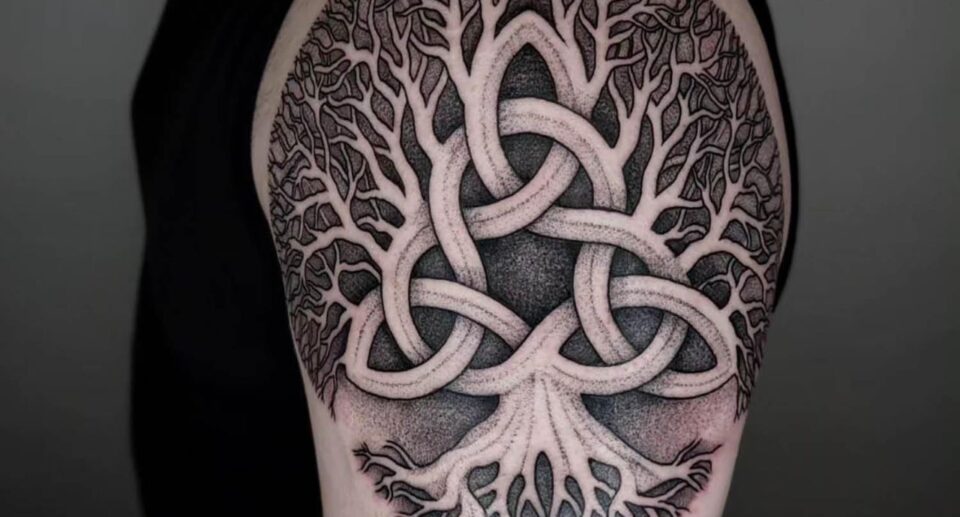
Introduction: Ink That Speaks of Ancestry
Tattoos are often described as stories written on the skin and in Celtic tradition, they truly were. From spirals and knots to fierce tribal marks, Celtic tattoos embodied identity, spirituality, and power. Far from being a modern fashion statement, they connect deeply to the world of mythology, heritage, and tribal pride.
Just as the Celtic stone carvings still speak through time, these tattoos carried sacred meaning for those who wore them.
Ancient Origins of Celtic Tribal Tattoos
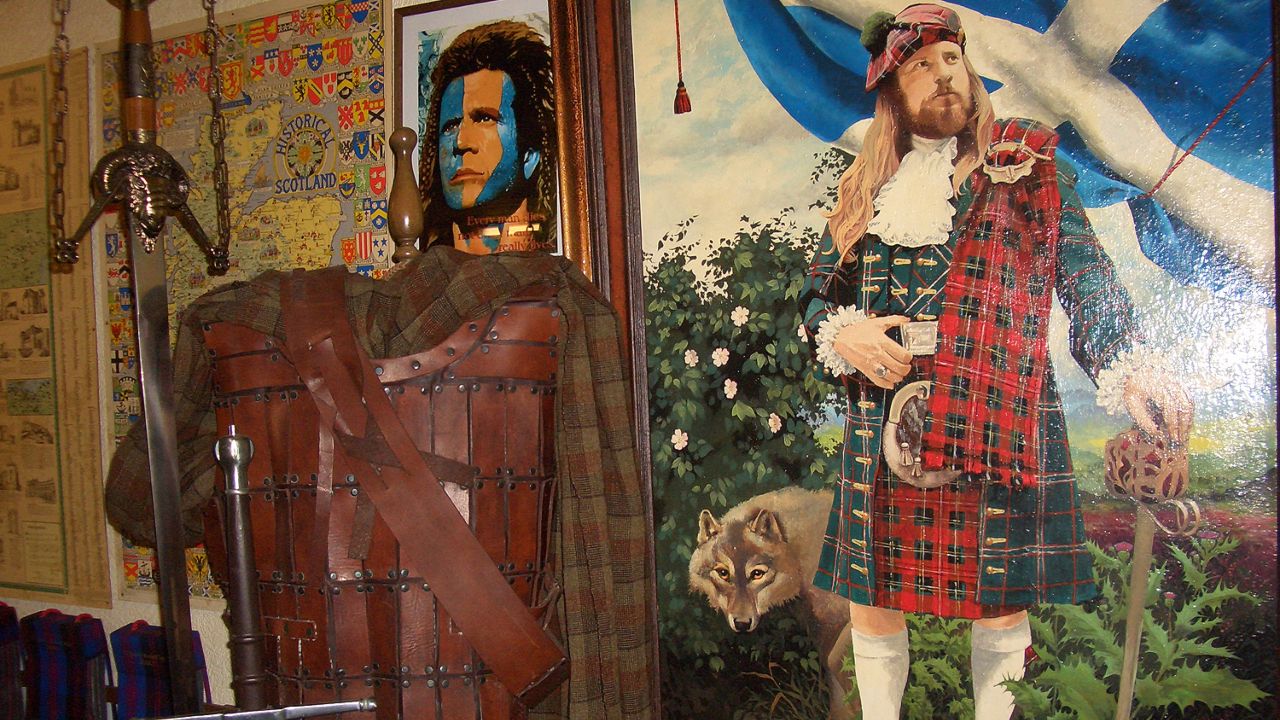
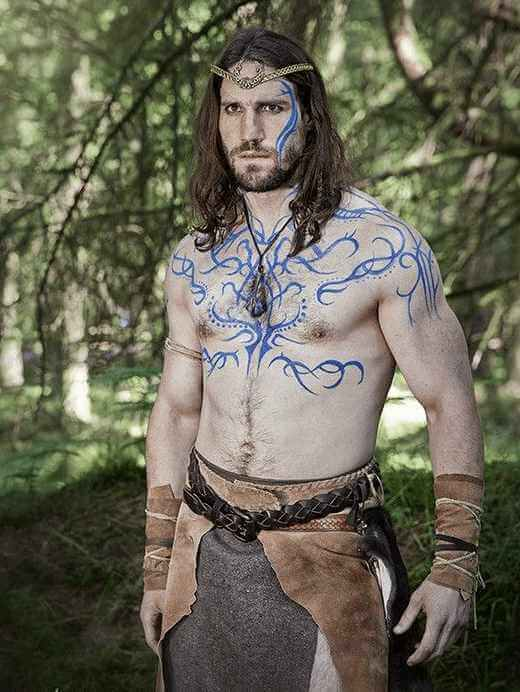
The Celts, a warrior people spread across Europe and the British Isles, were no strangers to body art. Early accounts describe them as painting or tattooing their skin with woad, a blue dye that gave them a fearsome appearance in battle.
- Spirals symbolized eternal life and cycles of nature.
- Knots represented unity, interconnectedness, and infinity.
- Animals like stags, boars, and serpents embodied strength, wisdom, and protection.
This symbolic visual language was not random decoration, it was a spiritual shield and a declaration of identity.
Symbolism in Celtic Tattoo Designs
Celtic tattoos were and still are dense with meaning. Each design tells a layered story:
- Celtic Knots: Endless loops symbolizing eternity and the interwoven nature of life.
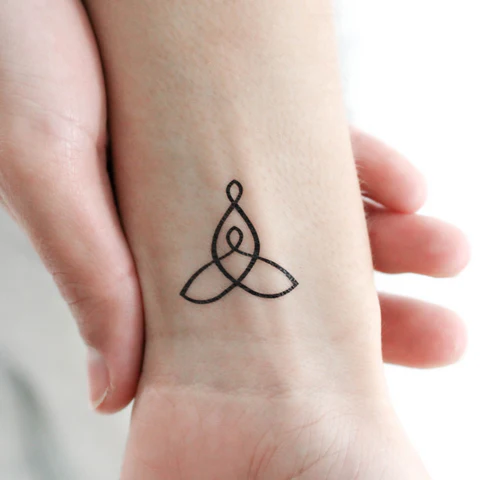
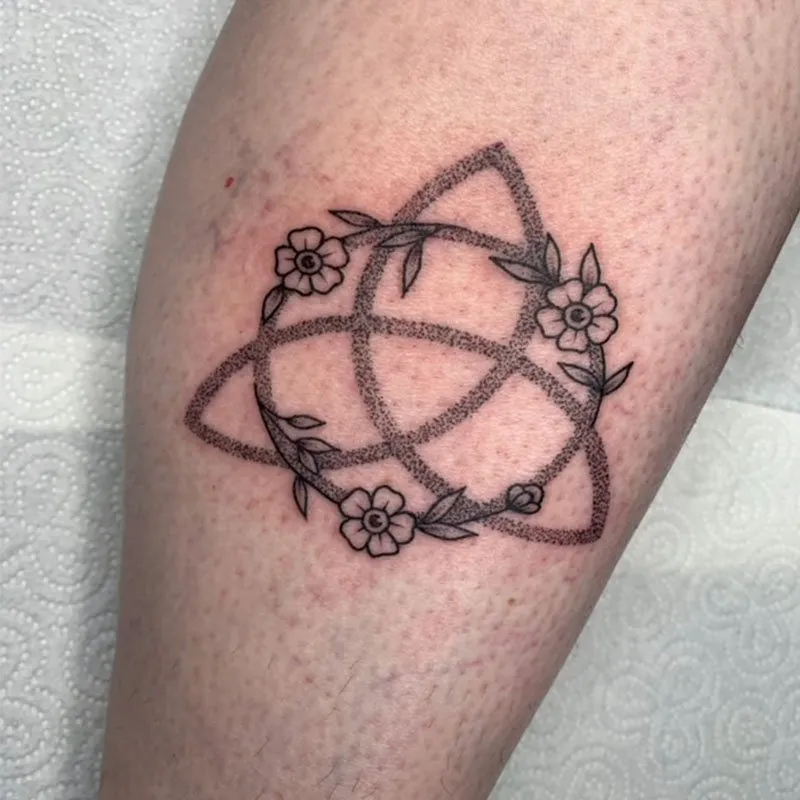
- Triskeles (Triple Spirals): Representing the unity of land, sea, and sky or body, mind, and spirit.
- Zoomorphic Patterns: Animals woven into knots, signifying strength and guardianship.
- Sun Spirals: Linked to the Celtic Sun God Lugh, embodying vitality and illumination.
These designs were often carved in stone, embroidered in cloth, and eventually inscribed on skin, echoing across generations.
Tattoos as Tribal Identity
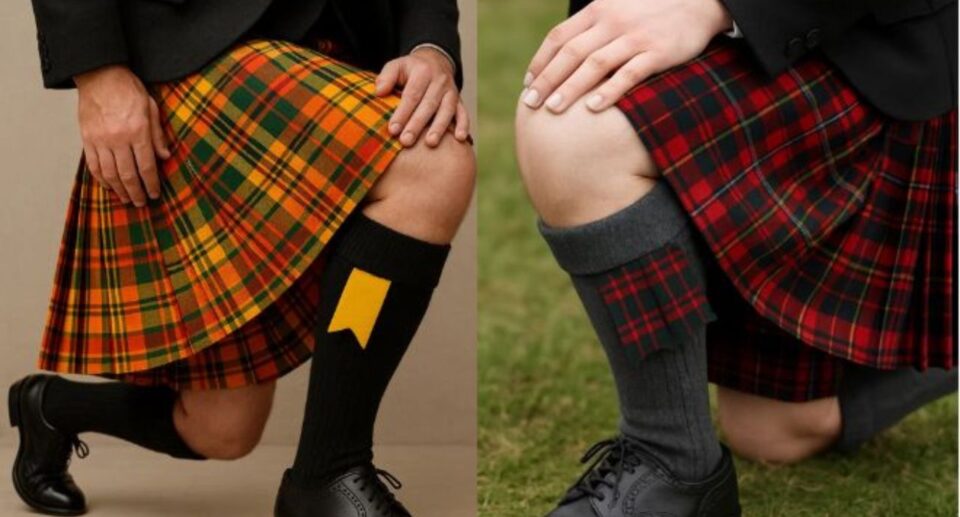
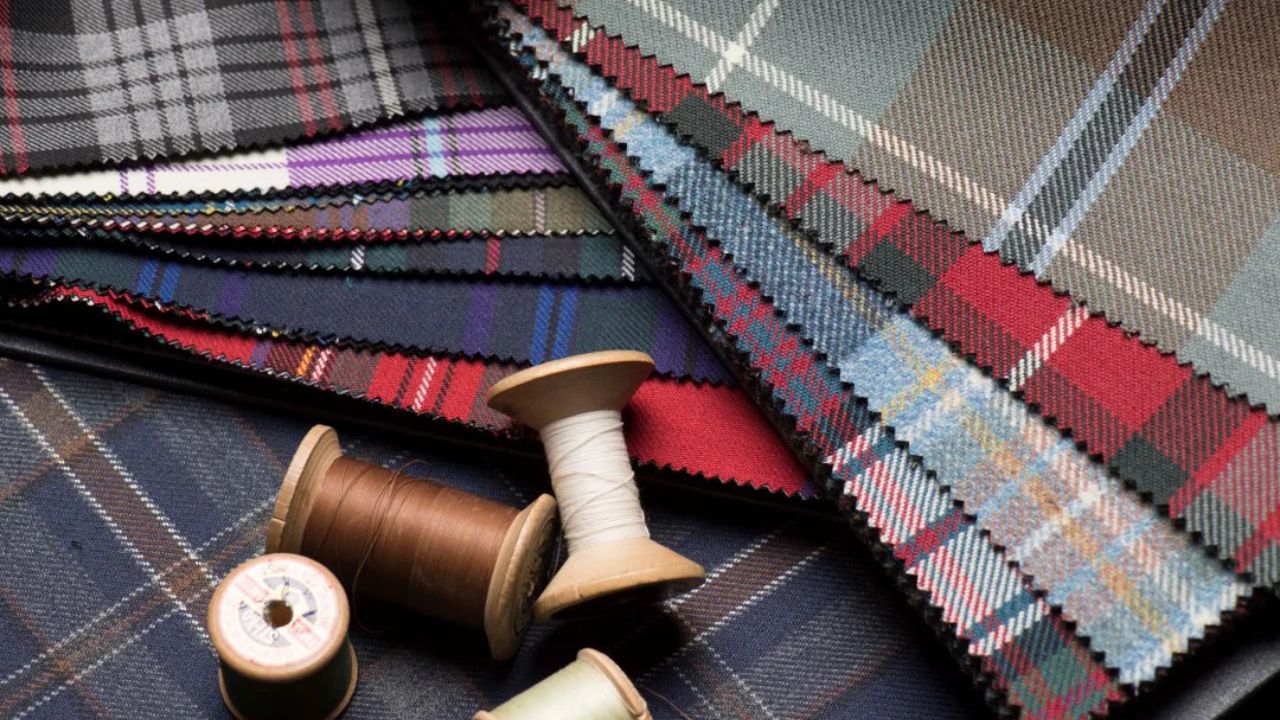
In Celtic societies, tattoos were not just personal adornments, they were tribal markers. Much like tartan patterns came to identify clans, body art connected warriors to their lineage, beliefs, and collective spirit.
They were:
- Protective symbols in battle.
- Marks of initiation into adulthood or leadership.
- Signs of allegiance within tribes.
Tattoos were as much about belonging as they were about individual expression.
Celtic Tattoos in Modern Culture
Today, Celtic tattoos remain some of the most popular designs in the world. From intricate knot sleeves to tribal spirals, they speak to both heritage and universal human themes of strength, connection, and eternity.
Modern tattooing has given these designs new life, blending tradition with contemporary artistry. Much like the tam o’shanter hat carries cultural charm, Celtic tattoos continue to symbolize identity and pride, inked in permanence.
FAQs About Celtic Tribal Tattoos
Were Celtic tattoos always blue?
Yes, many ancient Celts used woad, which gave the tattoos a distinctive blue hue.
Do Celtic tattoos have religious meaning?
Absolutely. Many designs are rooted in pagan spirituality, later blending with Christian symbolism as Celtic culture evolved.
What’s the difference between tribal and Celtic tattoos?
Tribal tattoos are a broader global tradition, but Celtic tribal tattoos are uniquely defined by knots, spirals, and mythical symbols.
Conclusion: Eternal Marks of Celtic Spirit
Celtic tattoos are more than body art, they are living symbols of ancestry and spirit. Whether etched on stone, woven in cloth, or inked on skin, these designs remind us of the Celts’ deep connection to myth, identity, and eternity.
Just like Celtic storytelling or music traditions, tattoos are another way the Celts ensured their voice would never fade.