Celtic Knots: Meaning, History, and Timeless Symbolism

Few symbols feel as deeply Celtic as the elegant, looping patterns we call Celtic knots. They twist, return but never break. I first studied them in manuscripts while researching early medieval art at the University of Edinburgh and I still feel awe every time I see one.
Celtic knots do more than decorate. They speak about time, faith, love, nature, and the soul’s journey. In this guide, I want to walk you through what they mean, how they developed, and why they still inspire artists and wearers today.
Where We First See Celtic Knots
We meet early knotwork in the illuminated manuscripts of the British Isles. Think of the Book of Kells and the Lindisfarne Gospels. Monks worked patiently, line by line, as an act of devotion. Knots turned text into something sacred.
But knot motifs also appear on stone carvings, metalwork, and jewelry, echoing wider Celtic craftsmanship and the storytelling spirit we often explore in pieces like our discussion on why Irish people are natural storytellers.
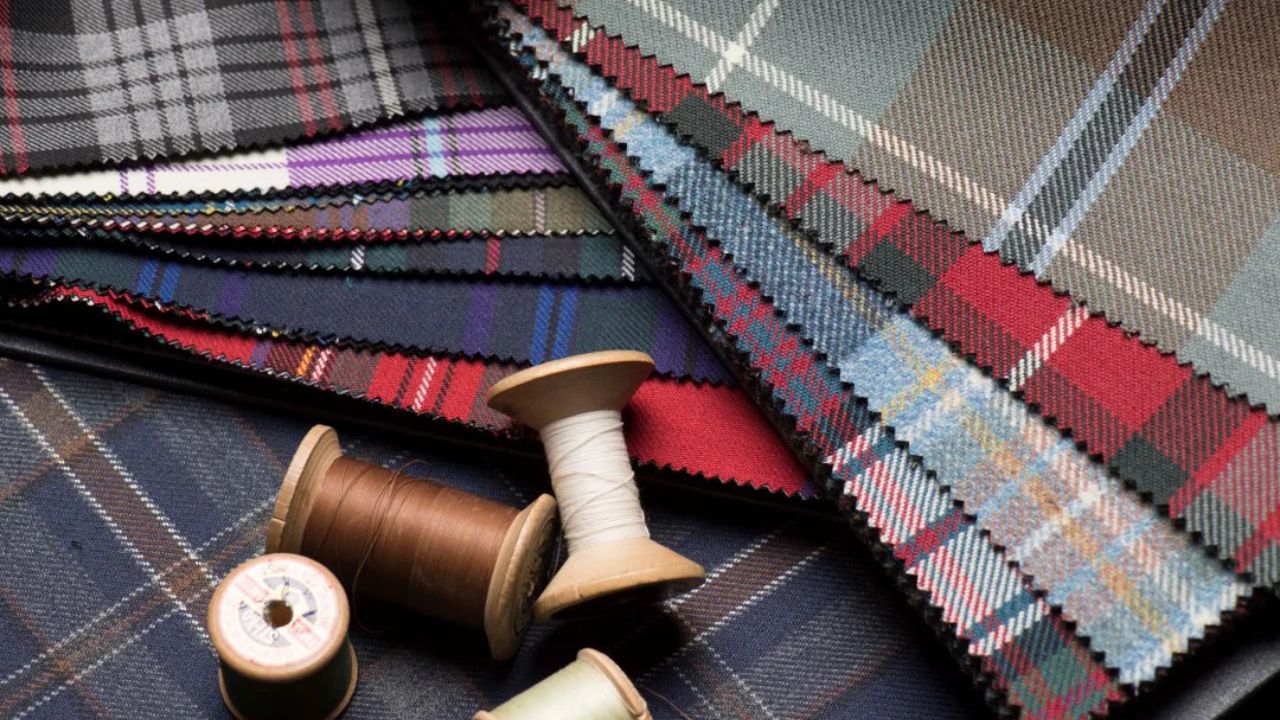
These patterns connect art, ritual, and identity, much like tartan connects families and clans, a subject we explore further in our guide to what tartan means and how patterns shape heritage.
Why the Lines Never Break
Celtic knots almost never end. That continuity matters. It reflects a worldview where:
- Life moves in cycles
- Death leads into renewal
- Love carries beyond time
- Faith survives hardship
In a culture shaped by myth and nature, this made deep sense. The Celts looked at seasons, tides, and stars, nothing stood still. Everything flowed forward, yet returned. The symbolism feels close to the stories embedded in Celtic stone carvings and the mythic imagination that runs across Irish and Scottish tradition.
Different Celtic Knots and What They Mean
Not all knots tell the same story. Here are a few of the most recognized:
The Trinity Knot (Triquetra)
Three interlocking loops. Some read it spiritually: life, death, rebirth or the Christian Trinity. Others see land, sea, and sky. Either way, it honors balance.
The Love Knot
Two intertwined loops. Two paths. One shared journey. Often found on rings and keepsakes, much like symbols of devotion such as the Claddagh ring.
Shield Knot
Bolder, squared knotwork. Warriors carried it as protection. It shows strength, guardianship, and resilience — values still celebrated in Scottish heritage.
Spiral Variants
Spirals suggest movement, inner growth, and transformation. They echo ancient carvings found across sites like Tara, where spirituality and landscape meet.
The Craft Behind the Beauty
When you look closely, knotwork feels almost mathematical. Artists work out spacing, rhythm, symmetry, and tension. Yet the result still feels organic like vines or waves. That blend of discipline and imagination remains central to Celtic creativity, whether in music, textiles, or manuscript illumination.
You see the same harmony in the cultural traditions surrounding kilts, music, and festivals that we explore across our wider blog community.

Why Celtic Knots Still Matter Today
People wear Celtic knots on jewelry, clothing, and tattoos. Designers carve them into wood, glass, leather, and stone. Couples choose them to symbolize unity. Museums display them as world-class art.
The attraction is simple: they feel timeless.
A Celtic knot does not ask for a single belief system. It invites reflection. It links the ancient world to our present lives — just as Celtic music, folklore, and traditions continue to live beside modern culture.
And for many of us, knots carry something more personal. They remind us of ancestors. They act as a quiet promise:
our stories continue.
Bringing Celtic Knots Into Everyday Life
If you love Celtic heritage, you will start noticing knotwork everywhere — on clothing trims, jewelry, religious art, and even architecture. When you do, pause and follow the line with your eyes. Watch it travel. Notice how it turns, returns, and refuses to break.
That simple act connects you to centuries of faith, memory, and artistry.

Final Thoughts
Celtic knots endure because they hold a vision of life that feels both grounded and hopeful. They remind us that nothing stands alone, every thread links to another. Every story ties into a larger pattern.
If this world fascinates you, stay curious. Explore the symbols, landscapes, and legends woven throughout Celtic history, from music and craft to myth and community. Each strand adds depth to the tapestry.
And that tapestry, like a Celtic knot, never truly ends.