
Celtic Spiral Designs: Ancient Art and Symbolism
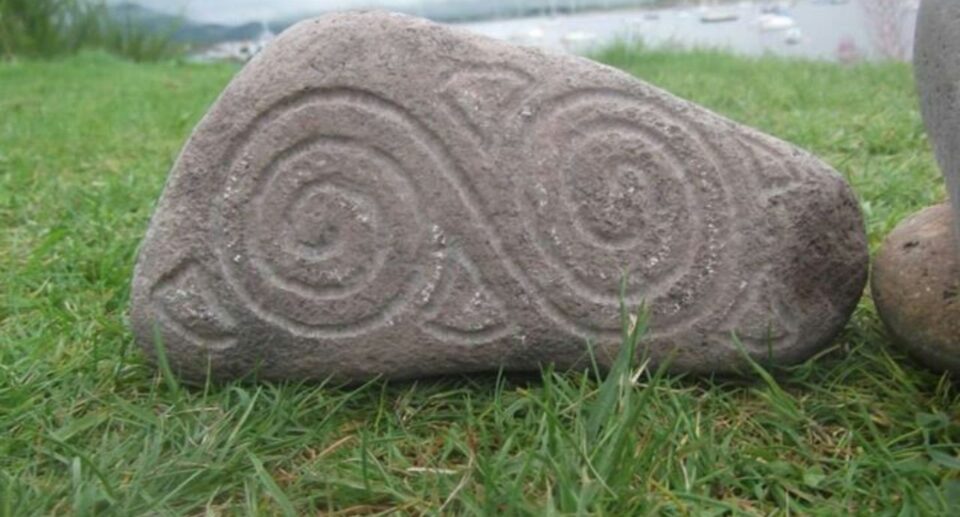
Celtic spiral designs are among the most iconic and enduring motifs in Celtic art. Found in stone carvings, manuscripts, and metalwork, these spirals embody movement, growth, and the interconnectedness of life. Their hypnotic curves are more than decorative, they carry profound spiritual and cultural significance.
Origins of Celtic Spiral Designs
The spiral motif dates back to Neolithic and Bronze Age Europe, appearing in ancient carvings such as those at Newgrange in Ireland. Early Celts adopted and adapted these patterns, using spirals to express natural cycles, spiritual journeys, and cosmic harmony.
Celtic spirals often appear alongside other motifs in Celtic Stone Carvings, reflecting a sophisticated understanding of geometry, symbolism, and storytelling.
Symbolism and Meaning
Spirals in Celtic art are deeply symbolic:
- The Single Spiral: Represents life, growth, and evolution.
- Double or Triple Spirals (Triskele): Symbolize balance, progress, and the tripartite nature of existence, mind, body, and spirit.
- Interconnected Spirals: Reflect cycles of life, death, and rebirth, emphasizing interconnectedness in nature and community.
Much like the spiritual resonance of the Celtic Sun God Lugh, spiral designs remind us of ancient beliefs and the Celts’ reverence for natural and cosmic order.

Use in Art, Jewelry, and Culture
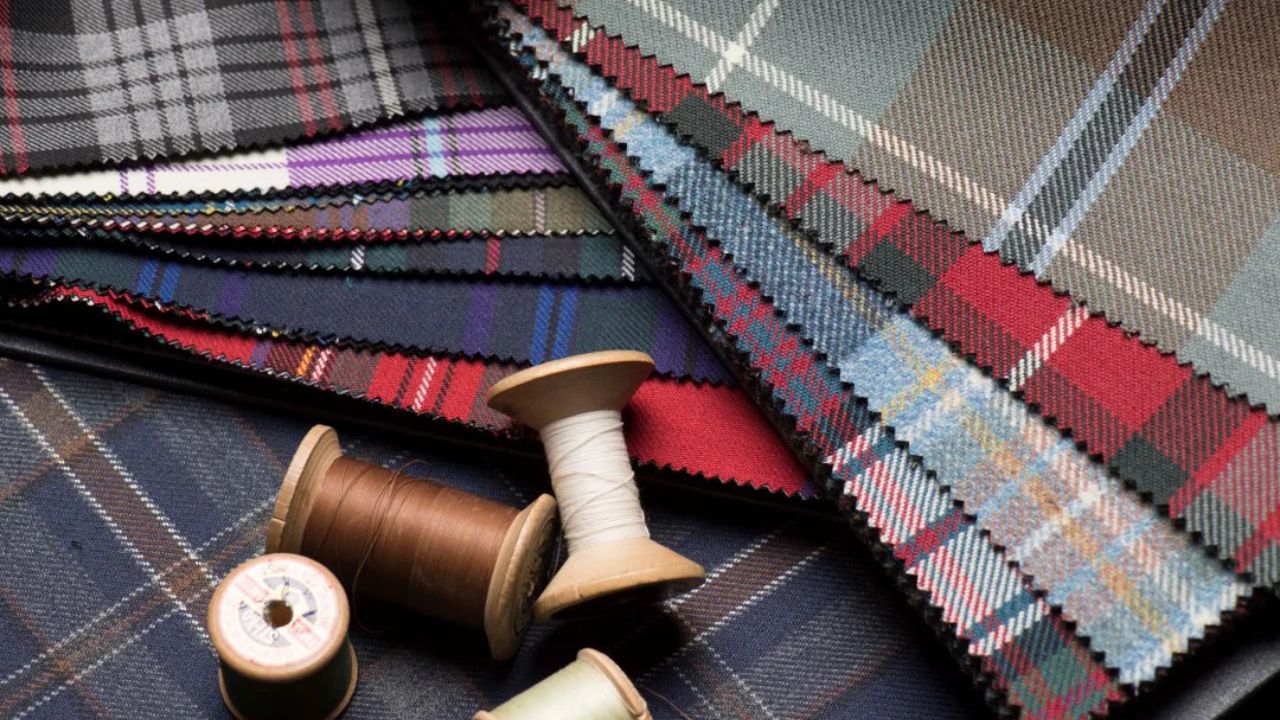
Celtic spirals are widely featured in jewelry, textiles, and modern design. Artists often incorporate these patterns in Celtic-inspired fashion, including Scottish Tartan Shawls or ceremonial objects.

These designs are not only aesthetic, they serve as a connection to heritage, storytelling, and identity, echoing the tradition explored in Why Are Irish People Natural Storytellers.
Spiritual and Modern Significance
Today, Celtic spiral designs are embraced in spiritual and artistic communities worldwide. Their flowing forms symbolize personal growth, spiritual journeys, and continuity. Whether carved in stone, etched in jewelry, or tattooed as a personal emblem, these spirals continue to inspire awe and reverence.

Conclusion
Celtic spiral designs are far more than artistic flourishes, they are expressions of philosophy, spirituality, and cultural identity. Understanding their symbolism provides insight into the Celtic worldview and the timeless connection between art, nature, and the human spirit.
For further exploration of Celtic symbols and culture, see Hill of Tara and Selkies in Folklore.