
Celtic River Goddesses: Keepers of Flow, Sovereignty, and Healing
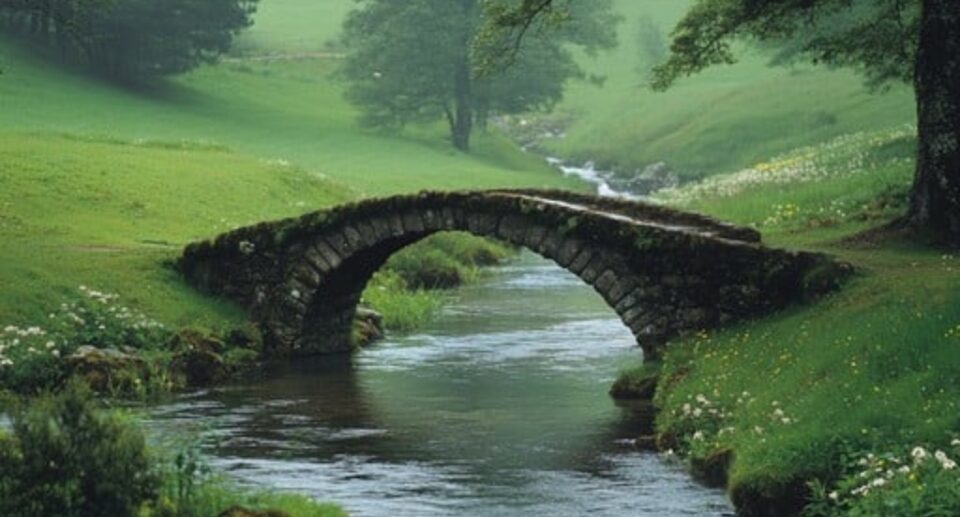
Rivers shape Celtic landscapes, but they also shape Celtic stories. When you look into ancient myths from Ireland and Scotland, rivers emerge as sacred forces: alive, protective, and deeply connected to female divinity. Celtic river goddesses carried meanings of healing, sovereignty, wisdom, and transformation. Their presence influenced everything from folklore to local identity.
In this guide, I’ll explore the most important river goddesses in Celtic tradition and what they reveal about the Celtic worldview. If you enjoy mythological deep dives, you may also like our pieces on Annwn and the Cauldron of Dagda.
Rivers as Sacred Pathways in Celtic Belief
For the Celts, rivers carried spiritual weight. They fed the land, linked distant tribes, and created natural boundaries. Many Celtic communities believed rivers led toward the Otherworld, the realm of spirits and gods. Because of this, rivers became places of offerings, rituals, and divine encounters.
That spiritual role explains why many Irish and Scottish rivers bear the names of goddesses. These names weren’t symbolic, they reflected living reverence.
Boann: The Goddess of the River Boyne
Boann, one of the best-known Celtic river goddesses, shaped the River Boyne in Ireland. Her story blends curiosity, transformation, and power. Boann approached a forbidden well of wisdom, causing its waters to surge outward, creating the river itself.
Her myth highlights two key themes in Celtic tradition:
- the pursuit of knowledge
- the creative force of nature
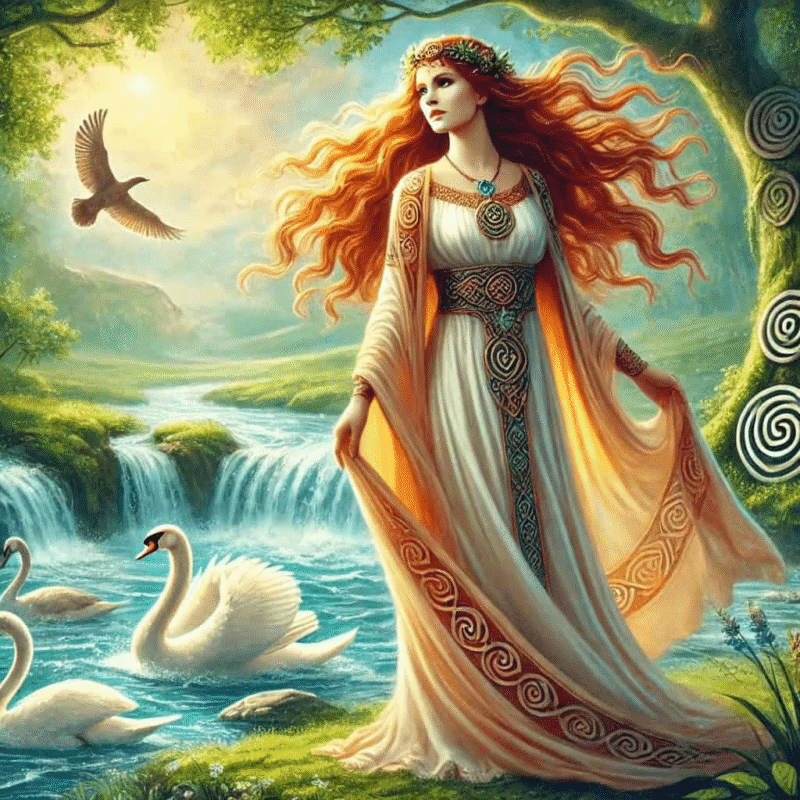
Boann also connects to poetic inspiration and storytelling. If that interests you, you may enjoy our feature on Why Irish People Are Natural Storytellers.
Sulis: The Healing Waters of Bath
Although Bath lies in England today, Sulis belonged to the wider Celtic world. The Celts revered her as a goddess of healing waters, wisdom, and protection. Her sacred springs gave comfort to travelers, warriors, and the sick.
When the Romans arrived, they linked Sulis with Minerva, a powerful Roman goddess. This fusion shows how highly the Celts valued her and her healing powers.

Danu: The Primordial Mother Associated with Rivers
Danu often appears as a sky or earth goddess, but many scholars connect her with flowing waters. The River Danube, one of Europe’s largest rivers, preserves her name. In Celtic tradition, Danu nurtures life, offers protection, and supports transformation.
Danu’s link to water also connects her to sovereignty. Celtic myths often tie rightful kingship to the blessing of a female deity, especially one linked to rivers or wells.
This idea appears in the symbolism explored in our Claddagh Ring guide and in other themes of union and guardianship across Celtic lore.

Dee and Don: Scottish River Goddesses
Scotland carries its own river goddess traditions. The River Dee likely connects to a goddess of purity and protection, while the River Don links to a maternal deity associated with abundance and land.
The landscape of Scotland holds traces of many such myths. If you enjoy exploring sacred Scottish places, the Isle of Mull or the magical Fairy Glen will inspire you further.
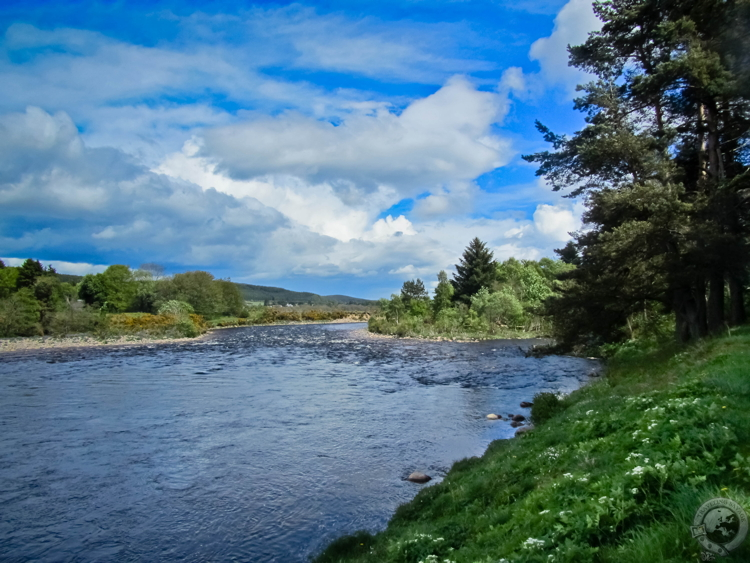
River Goddesses and Celtic Daily Life
River goddesses shaped more than myth, they shaped how communities lived. People honored them through offerings, seasonal rites, and storytelling. Rivers inspired music, crafting traditions, and even community gatherings. Our piece on the Bodhrán Drum explores how rhythm and environment often blend in Celtic culture.
These goddesses symbolized:
- healing
- fertility
- guidance
- protection
- rightful rule
Their stories helped communities understand their landscapes and their place in the world.
Final Thoughts
Celtic river goddesses aren’t just figures from old stories, they still shape how Ireland and Scotland understand place, identity, and the sacred. Their rivers continue to flow through the land, carrying generations of memory with them. When you explore Celtic mythology, you feel how these goddesses once guided daily life and spiritual understanding.
For more mythological explorations, visit our Mythology & Folklore category or browse the full CeltGuide blog.