


Celtic Brooches: Timeless Symbols of Heritage and Style

Celtic brooches are far more than decorative fasteners; they are emblems of identity, artistry, and continuity across centuries. From the windswept landscapes of Ireland to the highlands of Scotland, these intricate pieces embody the soul of Celtic culture, blending function with symbolism.
Origins of Celtic Brooches
The story of Celtic brooches begins in the Iron Age, when penannular designs (open rings with pin fasteners) became the practical choice for fastening cloaks against unpredictable weather. Over time, these simple tools transformed into highly ornamental items, often worn as status symbols by chieftains and nobles.
Some brooches, such as the Tara Brooch, stand as masterpieces of early medieval craftsmanship, echoing the same cultural pride found in Celtic stone carvings.

Designs and Symbolism
Celtic brooches often carry motifs such as spirals, knotwork, and interlacing patterns. These are not just decorative. They express ideas of eternity, unity, and connection between the earthly and the divine.
- Knotwork: Symbolizes eternity and interconnectedness.
- Animal motifs: Represent protection, power, or guidance.
- Sun and spiral patterns: Evoke cycles of life, time, and renewal, similar to the Celtic sun god Lugh.

Brooches in Daily Life and Ceremony
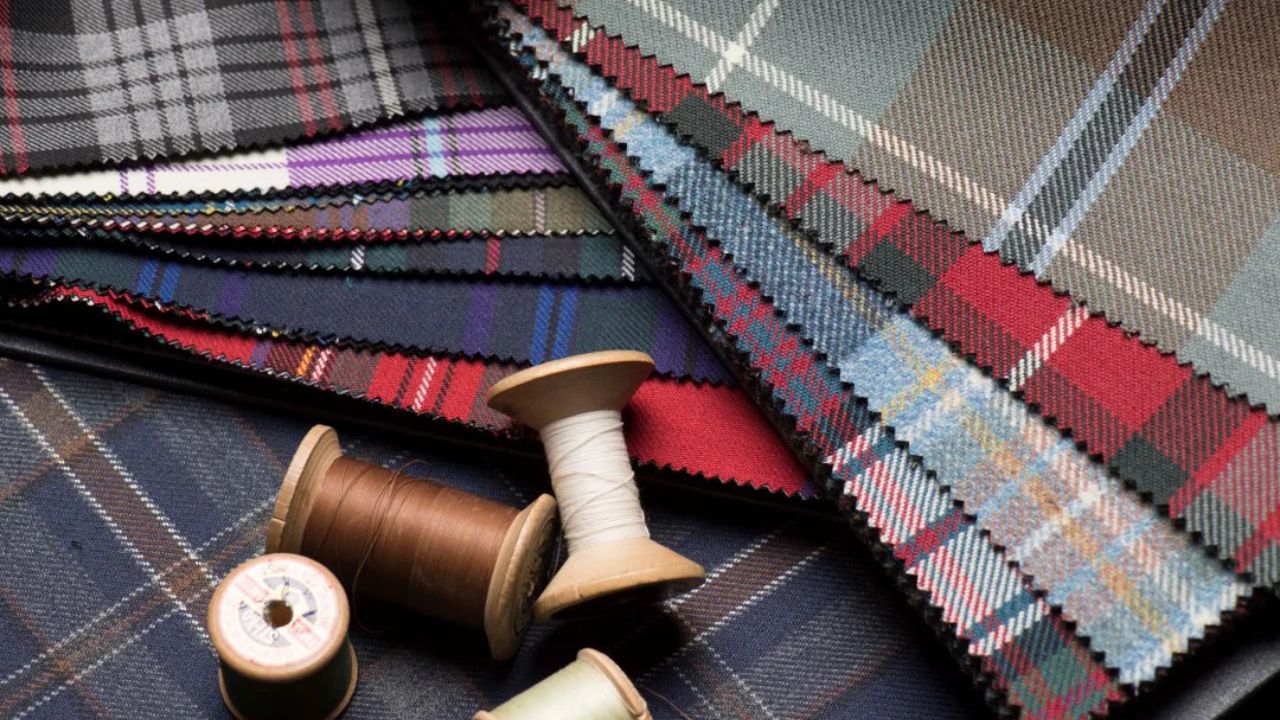
In Celtic society, brooches were everyday items but also bore ceremonial significance. A finely wrought brooch signified wealth and social rank, much like tartan patterns communicated clan identity in Scotland.
Brooches were also practical, fastening heavy wool cloaks — the essential garment of the Celtic world. In gatherings, storytelling, and rituals (a subject explored in why the Irish are natural storytellers), they became part of the cultural stage.
From Ancient Relic to Modern Fashion
Today, Celtic brooches are worn as heritage jewelry and fashion statements. They adorn shawls, scarves, and even wedding attire, blending history with contemporary style. Modern designers reimagine them while retaining their symbolic depth, just as Scottish tartan shawls continue to evolve.

Celtic brooches thus act as bridges between past and present, a tangible reminder that tradition can still be chic.
Conclusion: A Pin Through Time
Whether seen in museums or worn on a tartan sash, Celtic brooches carry centuries of memory. They remind us that Celtic culture was not only about survival but about expressing beauty, identity, and belonging through art. Just as Claddagh rings symbolize love, loyalty, and friendship, brooches anchor us to heritage while remaining ever adaptable.
If you wish to explore more about Celtic traditions, browse our CeltGuide blog for insights into fashion, folklore, and history.