Scottish Water Horses (Each-uisge): Myth, Fear, and Folklore
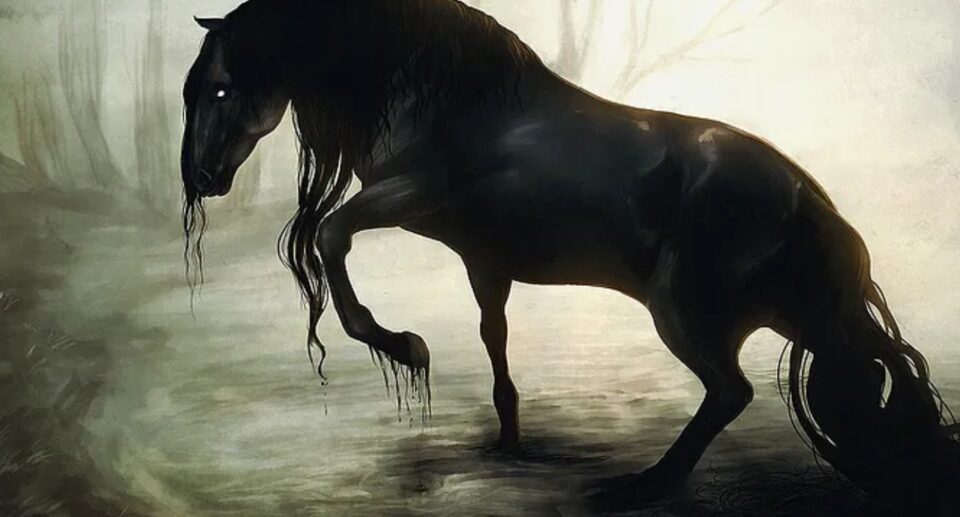
The Scottish Highlands hold many stories. Some comfort. Others warn. Among the most chilling stands the legend of the Each-uisge, the water horse.
This creature does not simply haunt rivers and lochs. It embodies danger, deception, and the untamed power of nature.
Unlike gentle folklore beings, the Each-uisge unsettles the imagination. It lures, traps, and devours. Yet its story reveals far more than fear. It offers insight into how Celtic communities understood their world.
What Is the Each-uisge?
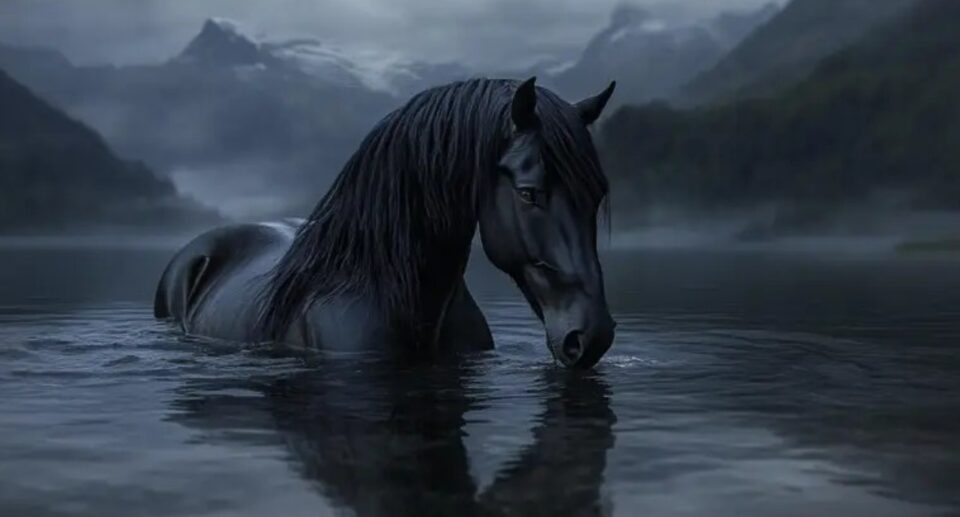
The Each-uisge, often translated as “water horse,” is a shapeshifting creature in Scottish folklore. It appears most commonly as a beautiful horse near water.
But this beauty deceives.
Once a person mounts the creature, their fate seals. The rider sticks fast to the horse’s skin. The beast then plunges into the water, dragging its victim to a grim end.
In some tales, it also takes human form. It appears as a handsome stranger. Yet small clues betray it. Seaweed in its hair. A damp chill to its touch.
Origins in Highland Folklore
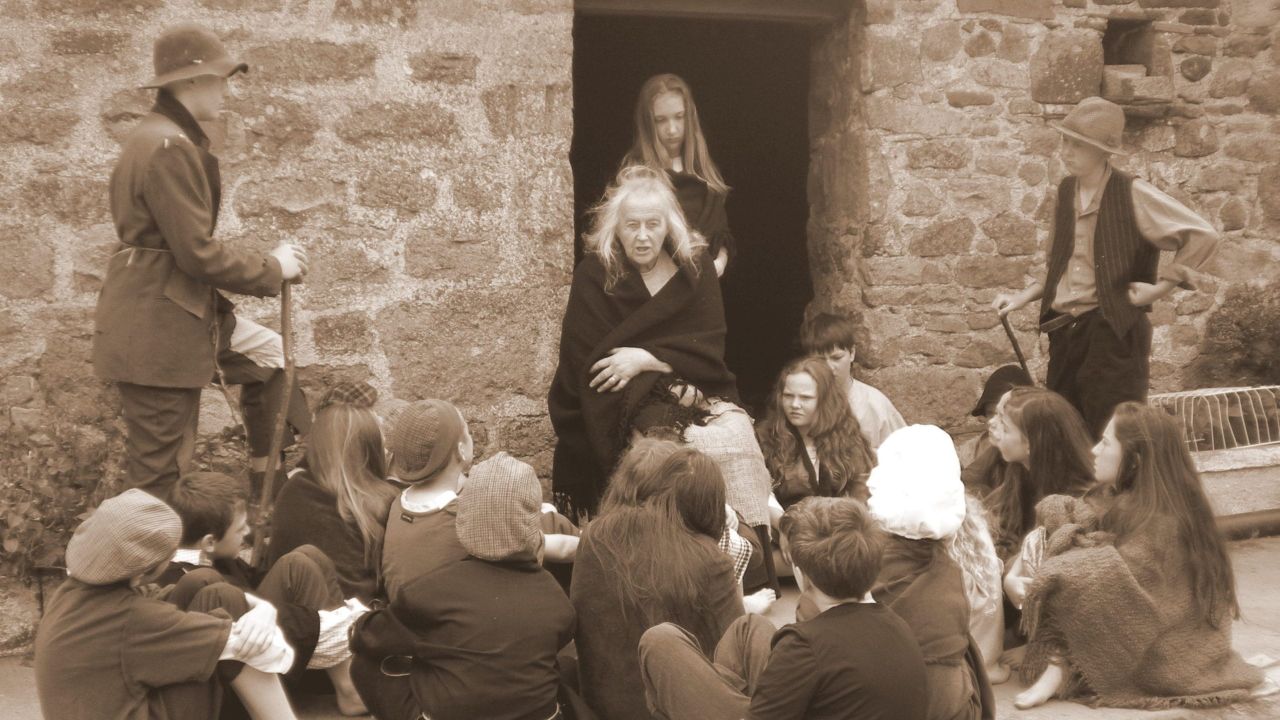
The legend of the Each-uisge emerges from the Scottish Highlands and islands. Communities living near deep lochs and swift rivers passed down these stories for generations.
These tales often served a purpose. They warned children and travelers to respect dangerous waters.
Much like the stories explored in
https://celtguide.com/why-are-irish-people-natural-storytellers/
oral tradition shaped memory and survival. Storytelling preserved knowledge in vivid, unforgettable ways.
Each-uisge vs. Kelpie: What’s the Difference?
Many confuse the Each-uisge with the kelpie. Both appear as water horses. Both lure victims. Yet they differ in temperament and setting.
- Kelpie: Often linked to rivers and streams
- Each-uisge: Associated with the sea and large lochs
- Kelpie: Mischievous and dangerous
- Each-uisge: Far more violent and deadly
The Each-uisge carries a darker tone. It rarely spares its victims.
Symbolism: More Than a Monster
The Each-uisge represents more than fear. It reflects a cultural understanding of nature.
Water in Celtic tradition holds deep meaning. It sustains life, yet it also destroys. The Each-uisge captures this duality.
It also symbolizes temptation. The creature appears beautiful, inviting trust. But beneath that surface lies danger.
This theme appears across Celtic mythology, including tales like
https://celtguide.com/selkies-in-folklore/
where transformation and hidden identities shape human fate.
The Role of Landscape in the Myth
Scotland’s geography shapes its folklore. Dark lochs, misty shores, and unpredictable seas create an atmosphere of mystery.
The Each-uisge belongs to this landscape. It feels natural within it.
Consider the haunting beauty of places like
https://celtguide.com/isle-of-mull/
where land and water blur into one another. In such settings, the boundary between reality and myth grows thin.
Cultural Context: Fear as Protection
From a scholarly perspective, the Each-uisge functions as a protective myth.
It discourages risky behavior. It warns against wandering alone near water and teaches caution without formal instruction.
Celtic folklore often works this way. It embeds practical wisdom within narrative.
You can see similar patterns in mythological themes such as
https://celtguide.com/what-is-annwn/
where otherworldly realms reflect moral and existential concerns.
The Each-uisge in Modern Culture
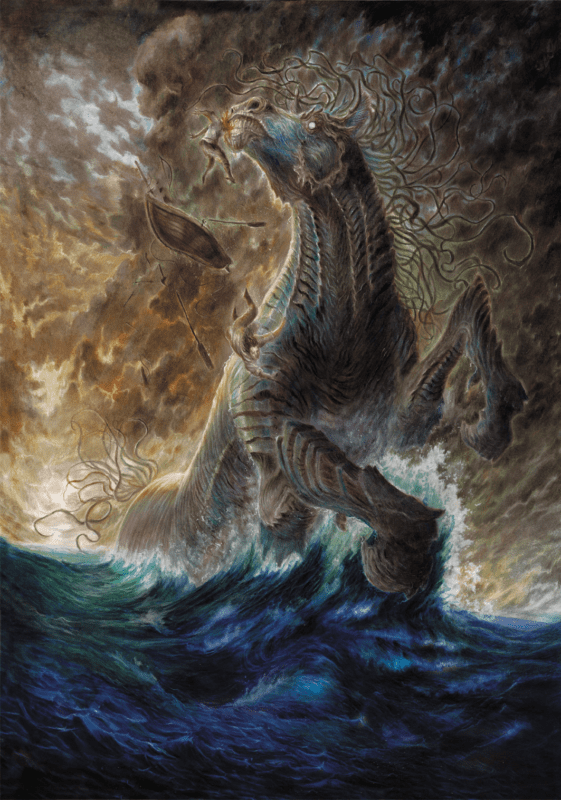
Today, the Each-uisge continues to intrigue readers and artists. It appears in literature, fantasy, and visual storytelling.
Its enduring appeal lies in its complexity. It is not merely a monster. It is a symbol, a warning, and a reflection of human vulnerability.
Modern audiences still respond to these themes. The fear of hidden danger remains universal.
Why the Each-uisge Still Matters
The Each-uisge matters because it connects past and present. It reminds us how communities once understood risk, nature, and survival.
It also highlights the richness of Celtic storytelling. These stories do not fade. They evolve. They find new audiences.
To explore more myths and traditions, visit
https://celtguide.com/blog/
Conclusion
The Each-uisge stands among the most haunting figures in Scottish folklore. It combines beauty and terror in equal measure.
Its story warns, teaches, and fascinates.
And in the quiet stillness of a Highland loch, one might still imagine its presence; waiting, watching, and reflecting the deep mysteries of Celtic tradition.