
Scottish Toasts: Meaning, History, and Famous Sayings
Scottish toasts carry warmth, wit, and centuries of tradition. A toast in Scotland rarely feels rushed or empty. It celebrates friendship, kinship, and memory. Many Scottish toasts include humor, poetic rhythm, and deep cultural pride.
In Scottish gatherings, raising a glass is more than a ritual. It reflects a long heritage of storytelling and community. If you explore Celtic culture, you will often see how spoken words hold power. This tradition also appears in the storytelling customs discussed in our guide to Irish culture:
https://celtguide.com/why-are-irish-people-natural-storytellers/
Let us explore the history, meaning, and most beloved Scottish toasts.
The Cultural Meaning of Scottish Toasts
A toast in Scotland often begins with “Slàinte!”, a Gaelic word meaning health. Guests raise their glasses and share goodwill. The phrase expresses both respect and celebration.
Historically, Highland communities used toasts during clan gatherings, feasts, and seasonal celebrations. Toasts often referenced heritage, land, and kinship. This tradition connects closely with clan identity, which you can explore in more detail here:
https://celtguide.com/how-many-scottish-clans/
Scottish toasts also reflect the rhythm of Gaelic speech. Many resemble poetry. Some are brief blessings. Others tell a small story before the drink.
The Famous Scottish Toast: Slàinte Mhath
The most recognized Scottish toast is:
“Slàinte Mhath!”
Pronounced: slanj-uh vah
It means “Good health.”
This phrase appears in pubs, weddings, and family gatherings. Scots often accompany the toast with eye contact and a raised glass. The gesture strengthens the sense of fellowship.
In Gaelic culture, words often hold symbolic meaning. Similar linguistic heritage appears in traditional sayings and proverbs across Celtic societies. For example, you can explore related linguistic traditions in:
https://celtguide.com/gaelic-irish-proverbs/.
Classic Scottish Toasts and Their Meanings
Scottish toasts often balance humor and wisdom. Here are several famous examples.
1. “Lang May Yer Lum Reek”
Meaning: May your chimney smoke for a long time.
This toast wishes prosperity and warmth for the home. If the chimney smokes, the household thrives.
2. “Here’s Tae Us”
A classic friendly toast:
Here’s tae us,
Wha’s like us?
Damn few,
And they’re a’ deid.
Meaning: Here’s to us. Few compare to us and those who do are gone.
The playful tone reflects the Scots love for clever humor.
3. “May the Best Ye Hae Ever Seen”
A traditional blessing reads:
May the best ye hae ever seen
Be the warst ye’ll ever see.
Translation: May the best moment you have seen become the worst you will ever see in the future. In other words, life will only improve.

Scottish Wedding Toasts
Scottish weddings include elaborate toasting traditions. Speeches often mix storytelling, poetry, and heartfelt blessings.
One popular toast says:
“May your love be modern enough to survive the times,
but old-fashioned enough to last forever.”
Another Gaelic blessing reads:
“May joy and peace surround you both.”
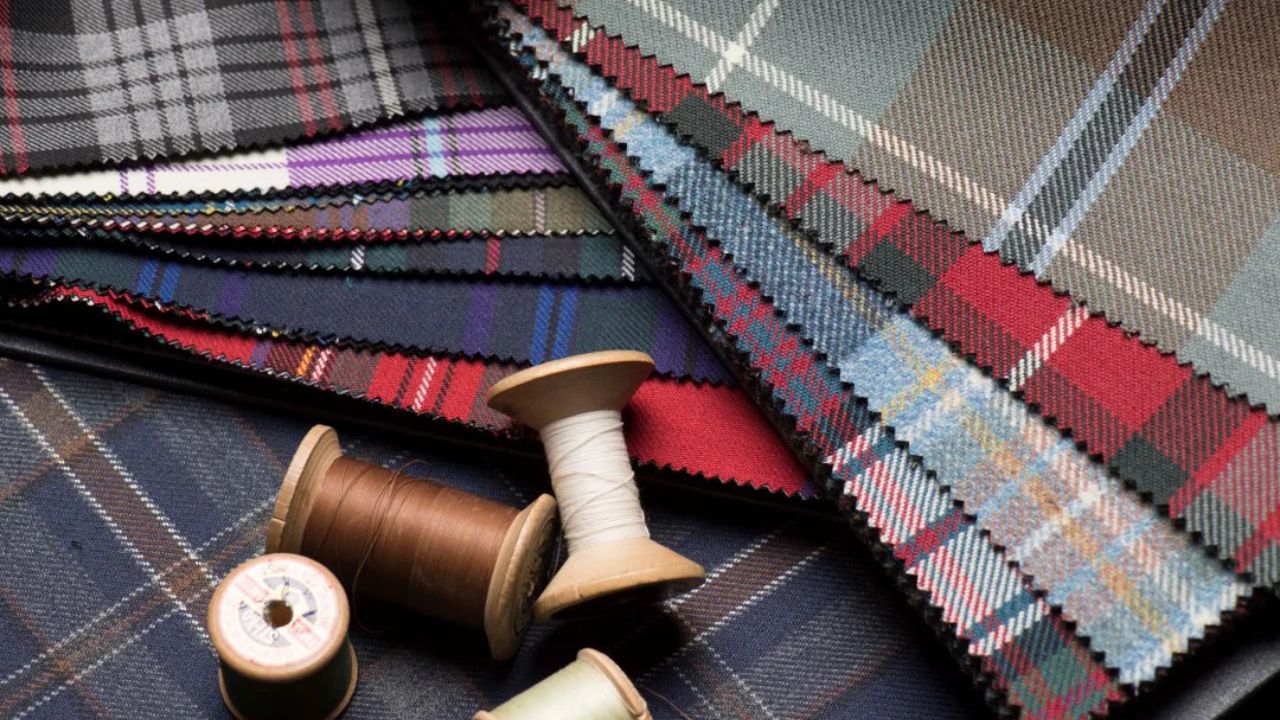
These wedding toasts mirror Scotland’s deep sense of heritage. Cultural identity often appears in clothing and ceremony as well. Traditional garments like tartan hold symbolic meaning within clans and families. Learn more here:
https://celtguide.com/what-is-tartan/
Toasts in Scottish Gatherings and Celebrations
Toasts appear during many Scottish events:
- Highland gatherings
- Weddings
- Burns Night dinners
- Clan reunions
- Hogmanay celebrations
Music often accompanies these moments. Instruments like fiddles or traditional drums create a festive atmosphere. You can explore the role of music in Celtic gatherings here:
https://celtguide.com/fiddle-music/
Such celebrations highlight how community life remains central in Scottish culture.

The Language of Scottish Toasts
Scottish toasts often mix Scots dialect and Scottish Gaelic. This linguistic blend gives the phrases their unique sound and charm.
Some toasts appear in older Gaelic forms, while others reflect everyday Scots speech. These languages shaped many historical texts, including religious and literary works. If you wish to explore this linguistic heritage further, see:
https://celtguide.com/scottish-gaelic-bible-translations/
The survival of these languages keeps Scottish oral tradition alive.
Why Scottish Toasts Still Matter Today
Scottish toasts remain vibrant because they celebrate human connection. A simple phrase like Slàinte Mhath can unite strangers at the same table.
These sayings carry centuries of memory. They echo through clan halls, village pubs, and modern celebrations. Each toast honors friendship, laughter, and the enduring spirit of Scottish culture.
Raise a glass in Scotland, and you join a living tradition.
Slàinte Mhath!
FAQ: Scottish Toasts
What is the most common Scottish toast?
The most common toast is “Slàinte Mhath,” which means good health in Scottish Gaelic.
Do Scots always drink whisky during a toast?
Not always. Whisky is traditional, but people also toast with ale, wine, or any drink.
Are Scottish toasts always humorous?
Many include humor, but some express blessings, gratitude, or respect.
When do Scots typically make toasts?
Toasts occur at weddings, celebrations, family gatherings, and cultural events.