

Scottish Fishermen’s Tartan Traditions Explained

Scotland’s coast does not whisper. It roars. From the North Sea to the Atlantic edge of the Hebrides, fishing communities shaped their identity through labour, language, and cloth. Among these markers of belonging, tartan stands out, not merely as decoration, but as declaration.
When we speak of tartan, we often imagine Highland regiments or clan gatherings. Yet along harbours and sea-worn piers, fishermen also wore patterned wool that spoke of region, kinship, and resilience. To understand this maritime inheritance, we must first understand what tartan truly signifies. For a foundational overview, see our detailed guide on https://celtguide.com/what-is-tartan/ and its deeper historical context in https://celtguide.com/how-long-has-the-tartan-prints-been-around/.
Tartan Beyond the Highlands
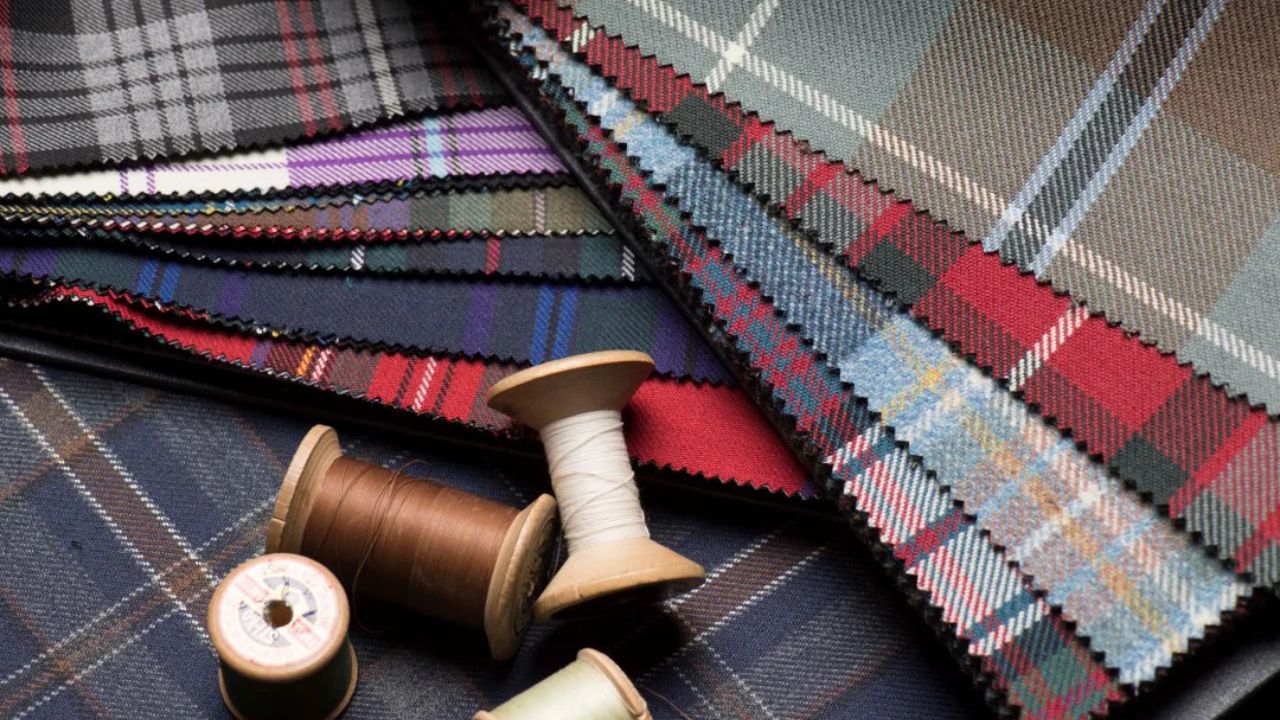
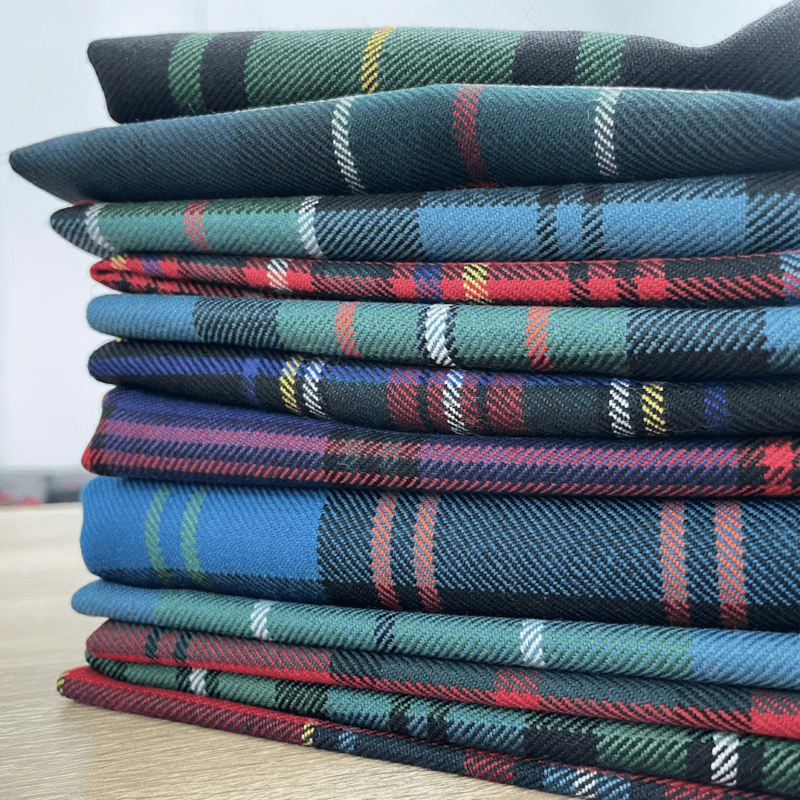
Popular imagination ties tartan solely to Highland clans. However, coastal Scotland cultivated its own variations. Fishing towns developed preferences for darker, practical palettes: navy, deep green, muted red. These shades concealed stains and weathered well against salt and wind.
Communities around the Moray Firth, Aberdeenshire, and the western isles did not always claim exclusive clan tartans. Instead, they adopted district tartans or modified existing patterns. These textiles balanced identity with function.
The question of clan affiliation remains central to Scottish dress. Our exploration of https://celtguide.com/how-many-scottish-clans/ outlines how clan structures shaped fabric symbolism. Fishermen often belonged to these clans, yet their daily attire adapted to the sea’s demands.
Wool, Weather, and Work
The North Atlantic climate tests every fibre. Heavy wool offered insulation even when damp. Fishermen layered garments beneath oilskins, but tartan waistcoats, trews, and shawls remained visible markers of heritage.
Weather influenced design choices. To appreciate how climate shaped Highland clothing, consult https://celtguide.com/kilts-weather-scotland/. Maritime communities valued durability over ceremony. Their tartans bore the marks of labour, not parade grounds.
Headwear also mattered. Many fishermen wore the classic https://celtguide.com/tam-oshanter-hat/, often in muted tones that complemented their tartan garments. The hat shielded against wind while reinforcing cultural continuity.
Coastal Identity and Crofting Roots
Fishing families rarely relied on the sea alone. Many combined fishing with small-scale agriculture. This dual existence mirrored the life described in https://celtguide.com/crofters-journey-through-time/. Crofting and fishing intertwined, and tartan bridged both worlds.
In island communities such as https://celtguide.com/isle-of-mull/, tartan traditions absorbed Gaelic language, song, and maritime lore. Patterns carried memory. A shawl worn by a fisherman’s wife signaled continuity across generations.
Women, too, sustained tartan heritage. Explore the elegance and symbolism of shawls in https://celtguide.com/scottish-tartan-shawls-a-timeless-blend-of-heritage-and-elegance/. These garments moved from hearth to harbour, from church to quay.
Folklore at the Water’s Edge
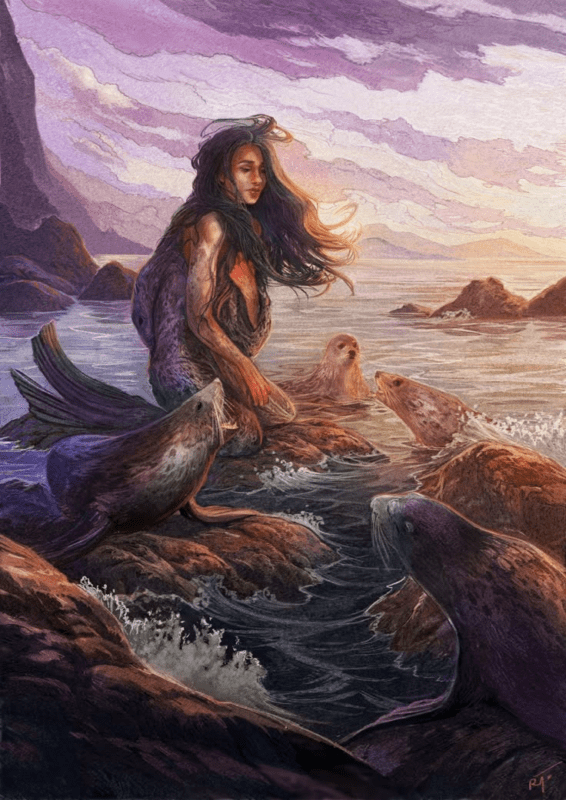
Scottish fishermen navigated more than tides. They navigated story. Along the coast, tales of selkies, seal-people who shed their skins, shaped communal imagination. Our study of https://celtguide.com/selkies-in-folklore/ shows how maritime myth influenced cultural expression.
Fishermen avoided certain colors or patterns on unlucky days. Superstition met symbolism. Cloth became protection as much as identity.
Music accompanied departure and return. Fiddle tunes echoed across harbors, much like those described in https://celtguide.com/fiddle-music/. Rhythm steadied nerves before dawn sailings. Song bound crews together.
Public Display and Festival Revival
Today, maritime tartan traditions surface most visibly during Highland gatherings. Events such as those detailed in https://celtguide.com/events-to-watch-in-highland-games-2025/ often feature coastal families who honour both clan and trade heritage.
Modern wearers sometimes ask practical questions about fit and styling. Guides like https://celtguide.com/how-to-measure-for-a-kilt/ and https://celtguide.com/how-to-wear-a-tartan-sash/ help sustain informed tradition.
Although fishermen rarely wore full kilts at sea, the symbolic garment remains central to Scottish identity. For broader cultural context, see https://celtguide.com/do-irish-wear-kilts/ and reflect on shared Celtic threads across Ireland and Scotland.
Language, Scripture, and Shoreline
Tartan also intersects with faith and language. Coastal communities often spoke Gaelic, reading scripture in translations discussed at https://celtguide.com/scottish-gaelic-bible-translations/. Dress and devotion moved in parallel lines.
Proverbs guided seafarers. While Irish in origin, the wisdom found in https://celtguide.com/gaelic-irish-proverbs/ resonates across Gaelic-speaking Scotland. Language stitched meaning into daily life, just as tartan stitched colour into wool.
A Living Maritime Thread
Scottish fishermen’s tartan traditions resist romantic simplification. They reflect adaptation and express continuity. They bind sea and soil into one narrative.
Tartan did not remain confined to castle halls. It travelled onto decks slick with spray, endured through migration and economic change. It still appears at weddings, wakes, and waterfront festivals.

To explore further stories of Celtic heritage, visit our main archive at https://celtguide.com/blog/ or browse thematic collections in https://celtguide.com/category/culture-tradition/ and https://celtguide.com/category/art-fashion/.
The sea shapes character. Tartan records it. Together, they form a maritime chronicle woven in wool and salt