Celtic Triple Goddess: Maiden, Mother, Crone

Celtic mythology does not divide life into isolated chapters. It presents existence as a cycle: continuous, interwoven, and sacred. Within that worldview stands the figure widely known as the Triple Goddess: Maiden, Mother, and Crone.
She does not represent three separate deities in a rigid sense. Rather, she expresses three phases of feminine power; youth, maturity, and wisdom moving through one eternal rhythm.
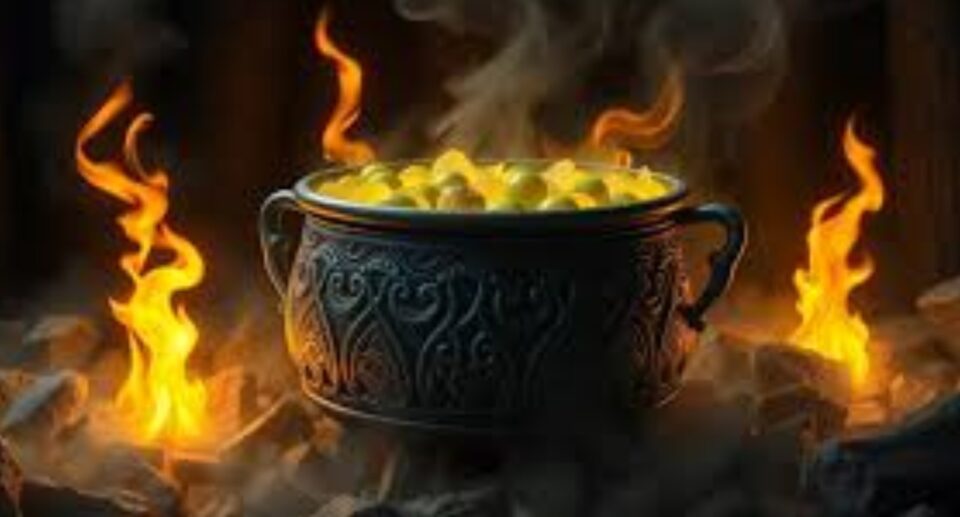
To understand her properly, we must place her within the broader Celtic cosmology, where land, sovereignty, and the Otherworld intertwine. Readers familiar with our discussion of the Cauldron of Dagda will recognize this pattern of abundance and renewal. The Triple Goddess belongs to that same symbolic architecture.
The Power of Three in Celtic Thought
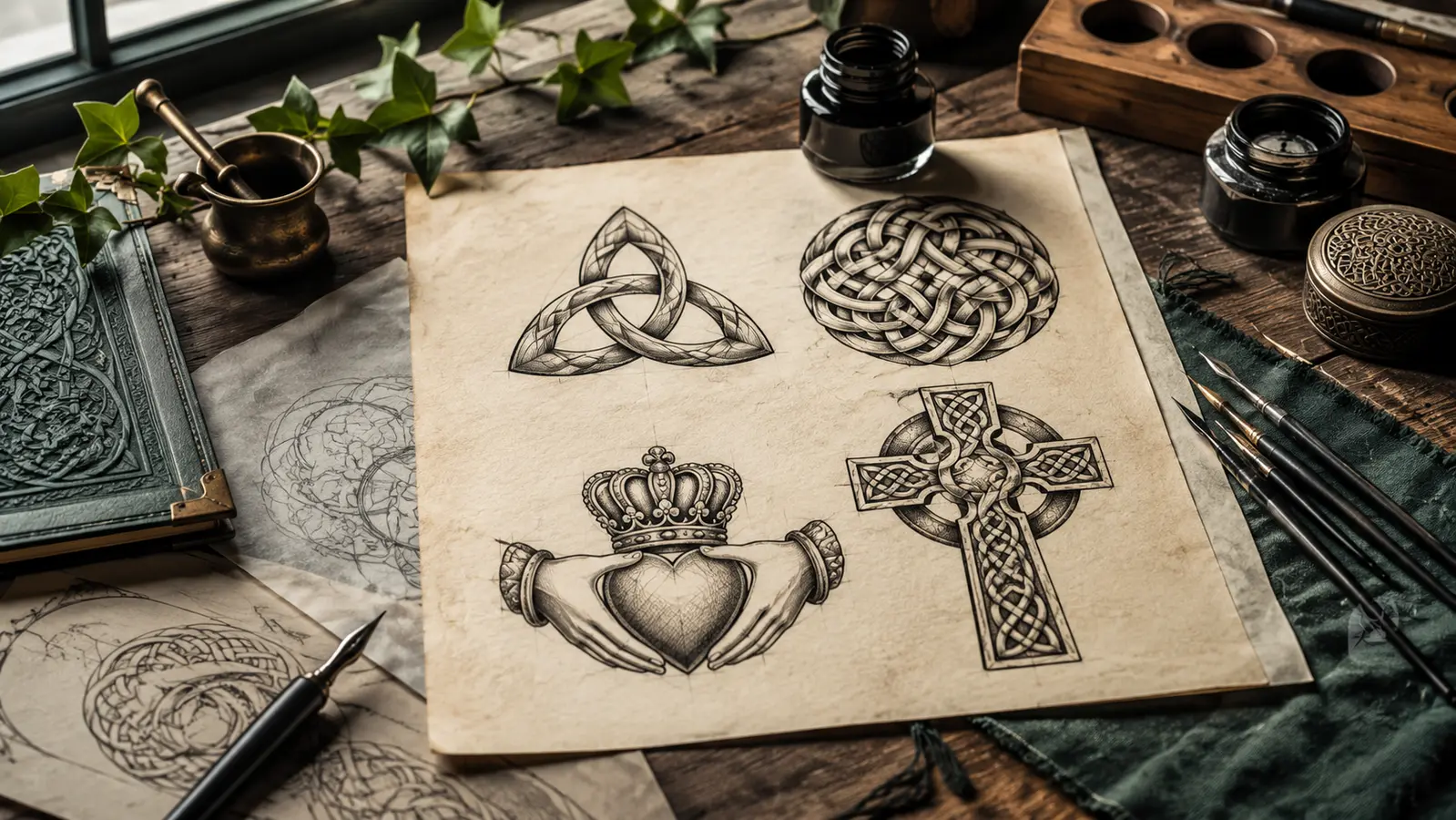
The number three held profound meaning in Celtic culture. Druids taught in triads. Poets structured wisdom in triplets. Sacred art frequently adopted triple forms.
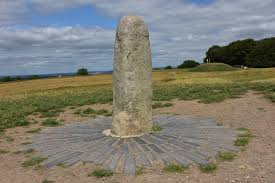
At the ancient ceremonial site of Hill of Tara, sovereignty rituals symbolically united the king with the land, often personified as a goddess. This land-goddess sometimes appeared in multiple forms; radiant maiden, fertile mother, or aged crone, testing the worth of leadership.
The Triple Goddess reflects this triadic structure:
- Maiden — potential and awakening
- Mother — fertility and guardianship
- Crone — insight and transformation
These phases do not compete. They complete one another.
The Maiden: Spring and Sovereign Possibility
The Maiden embodies youth, vitality, and independence. She stands at the threshold of becoming. Her energy aligns with springtime, dawn light, and first inspiration.
In Irish tradition, goddesses such as Brigid appear in luminous, youthful forms associated with poetry, healing, and sacred fire. The Maiden invites courage and creativity. She urges action without fear.
The landscapes of Ireland and Scotland often echo her freshness. Consider the lush expanses of the Ring of Kerry or the windswept clarity of the Isle of Mull. These terrains evoke beginnings—raw, green, and alive.
Even in oral tradition, youth holds spiritual importance. Our exploration of Gaelic Children’s Lullabies shows how early life connects closely to the sacred and the unseen.
The Maiden teaches that every cycle starts with potential.
The Mother: Fertility, Land, and Abundance
The Mother phase expresses fullness. She nurtures crops, clans, and continuity. In agricultural societies, fertility meant survival. Thus, maternal symbolism shaped myth and ritual alike.
The legendary abundance of the Cauldron of Dagda complements this aspect. The cauldron never emptied. Likewise, the Mother sustains life without depletion.
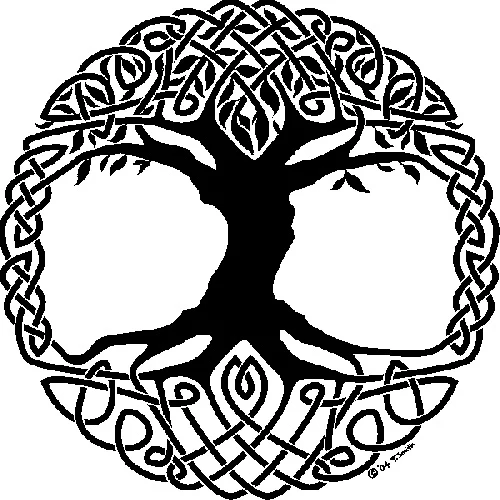
Sacred trees also reflect maternal symbolism. The oak, examined in Celtic Oak Tree, represents endurance and protection. Communities gathered beneath its branches for judgment, ritual, and counsel. The land itself became maternal, provider and guardian.
Holy wells throughout Ireland reinforce this association. In Irish Holy Wells: Portals to the Past, we observe how water traditions blend Christian devotion with older goddess reverence. Flowing water mirrors maternal nourishment, constant and life-giving.
The Mother reminds us that strength includes care and stewardship.
The Crone: Wisdom, Thresholds, and Transformation
Modern audiences often misunderstand the Crone. She does not represent decline. She embodies culmination and insight.
In sovereignty myths, the land sometimes appears as an aged woman who transforms into beauty once accepted by a rightful king. This narrative conveys a vital lesson: wisdom precedes renewal. One must honor age to access transformation.
The Crone also connects to liminal realms. Our study of What is Annwn? reveals how Celtic mythology treats the Otherworld not as distant, but adjacent. The Crone guards that boundary between life and death.
Funerary customs echo her presence as well. In Irish Wake Traditions, grief coexists with storytelling and communal strength. Death becomes transition rather than annihilation.
The Crone teaches discernment. She demands reflection before renewal.
Artistic and Cultural Expressions of the Triple Goddess
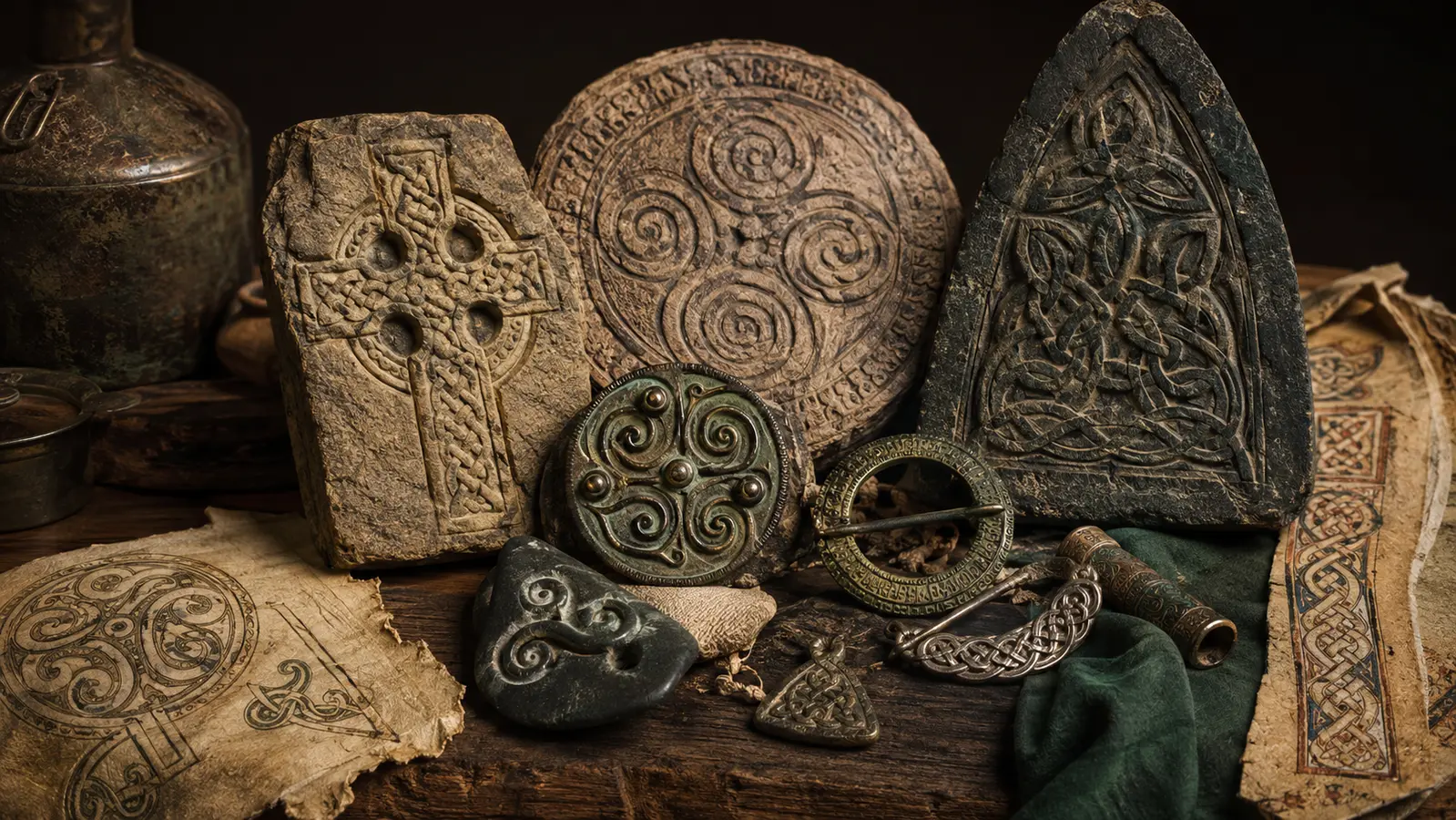
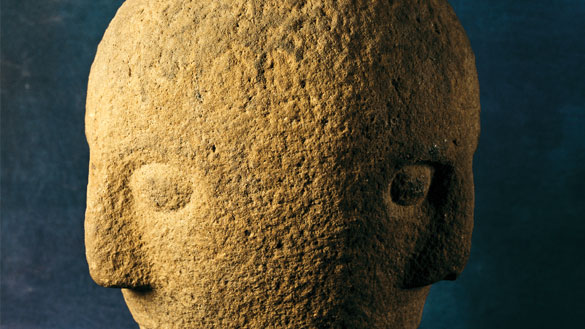
Archaeological discoveries across Celtic lands reveal triple-faced female carvings and triadic motifs. As discussed in Celtic Stone Carvings, artists deliberately employed threefold imagery to express divine complexity.
Celtic textiles and patterns also reflect ordered repetition. While tartan does not directly symbolize the Triple Goddess, its structured harmony, explored in What is Tartan?, mirrors a culture attuned to balance and rhythm.
Music, storytelling, landscape, and ritual formed a unified worldview. The goddess did not reside only in myth. She lived in daily practice.
Why the Triple Goddess Still Matters
The enduring appeal of the Triple Goddess lies in her cyclical logic. She offers a model of life that honors every stage.
The Maiden inspires bold beginnings.
The Mother anchors responsibility.
The Crone provides wisdom.
Contemporary culture often privileges youth and fears aging. Celtic tradition challenges that imbalance. It insists that growth, fullness, and decline all hold sacred meaning.
The Triple Goddess does not fragment existence. She integrates it.
Conclusion
The Celtic Triple Goddess: Maiden, Mother, Crone, embodies the triadic structure central to Irish and Scottish myth. She appears in sovereignty rituals, sacred wells, carved stones, and oral traditions. Her symbolism connects land, people, and cosmology in one continuous spiral.
If you wish to explore further mythological themes, visit our Mythology & Folklore section at https://celtguide.com/category/mythology-folklore/ or browse the latest reflections on the https://celtguide.com/blog/.
In the end, the Triple Goddess reminds us of something simple yet profound: life moves in cycles. Each phase carries power. Each stage deserves reverence.