
Irish Linen Weaving: Threads That Shaped Ireland’s Identity
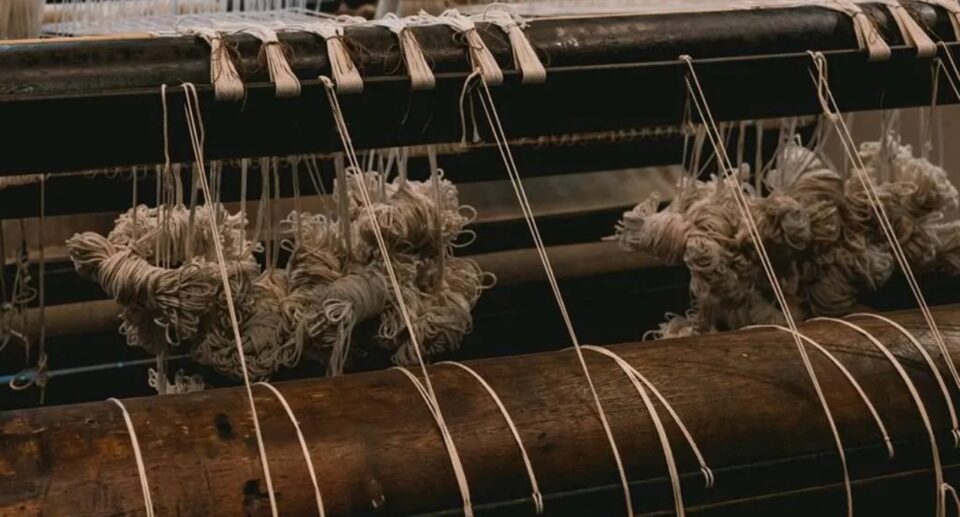
Irish linen weaving stands among Ireland’s most enduring crafts. Long before factories and global trade routes, Irish hands transformed flax into cloth of remarkable strength and beauty. Linen dressed households, supported economies, and carried Irish reputation far beyond the island.
This craft did not grow overnight. It developed slowly, shaped by land, climate, and generations of skill.
The Origins of Linen Weaving in Ireland
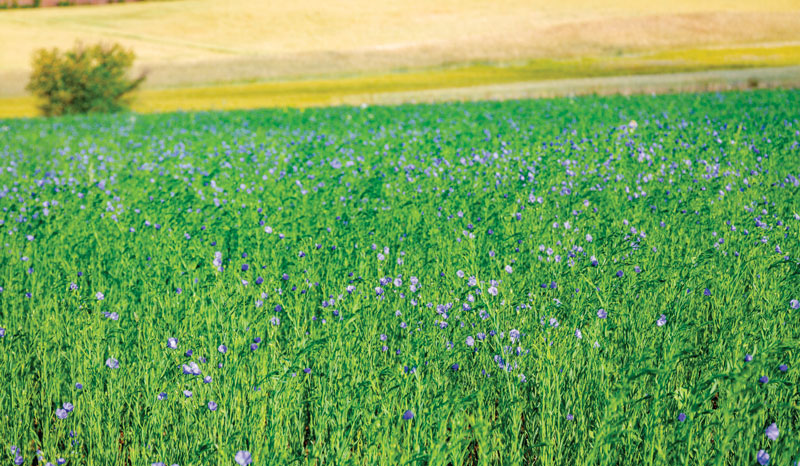
Linen production in Ireland began with flax cultivation, well suited to the island’s cool, damp climate. Archaeological evidence suggests flax use in Ireland as early as the Bronze Age. By the medieval period, linen had become a household staple rather than a luxury.
Families grew flax, retted it in water, and spun fibers at home. Weaving often took place in small cottages, where craft passed from parent to child. This domestic system mirrored Ireland’s strong oral traditions, where knowledge survived through practice rather than writing. You can see this cultural continuity reflected in Why Are Irish People Natural Storytellers?.
Linen and the Social Fabric of Ireland
By the seventeenth and eighteenth centuries, Irish linen weaving expanded beyond the home. Ulster, in particular, became a center of linen production. Small-scale weavers supplied merchants, and linen entered international markets.
This growth reshaped rural life. Linen income helped families survive difficult economic periods, including the years surrounding The Influence of the Irish Potato Famine. While famine devastated much of Ireland, linen production offered limited but vital resilience in some regions.
Linen was not only practical. It symbolized order, cleanliness, and respectability within Irish homes.
Craftsmanship and Technique
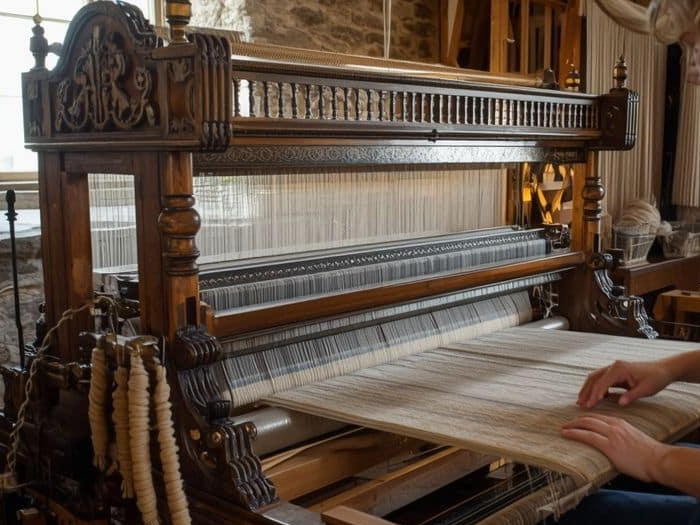
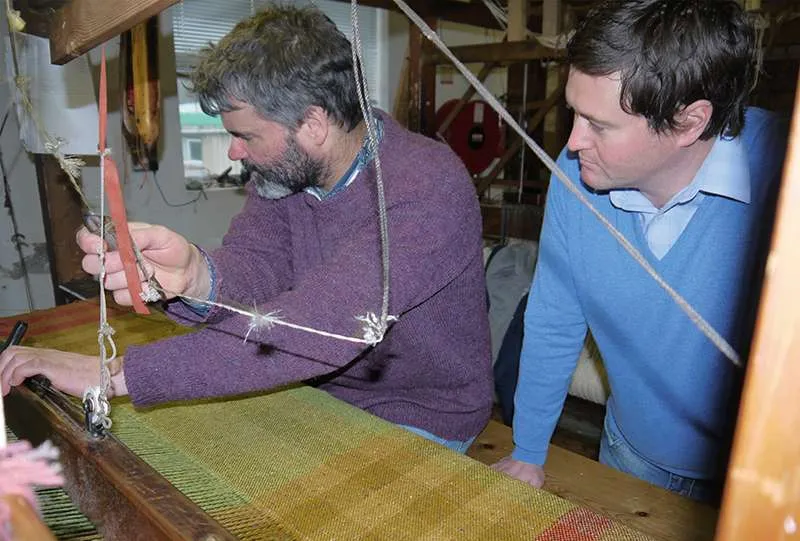
Irish linen gained fame because of its quality. Weavers valued long flax fibers, careful spinning, and tight weaving patterns. These techniques produced cloth that resisted wear while remaining breathable and elegant.
Unlike decorative textiles, linen focused on precision rather than ornament. This practical beauty aligns with other Celtic crafts, such as stone carving, explored in Celtic Stone Carvings, where form and function coexist.
Each finished piece reflected patience. A single mistake could weaken an entire length of cloth.
Linen in Irish Dress and Daily Life
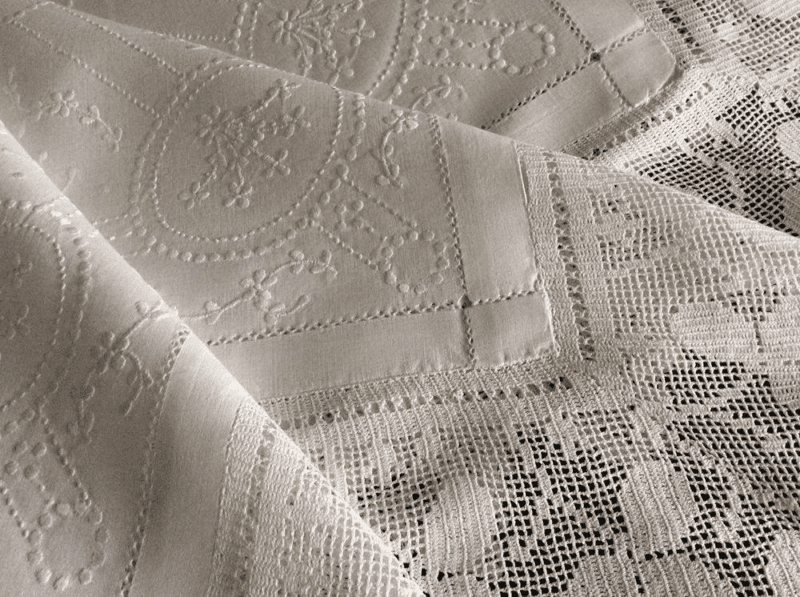
Irish linen shaped everyday life. People used it for shirts, bedding, tablecloths, and ceremonial garments. Its durability made it ideal for repeated use and washing.
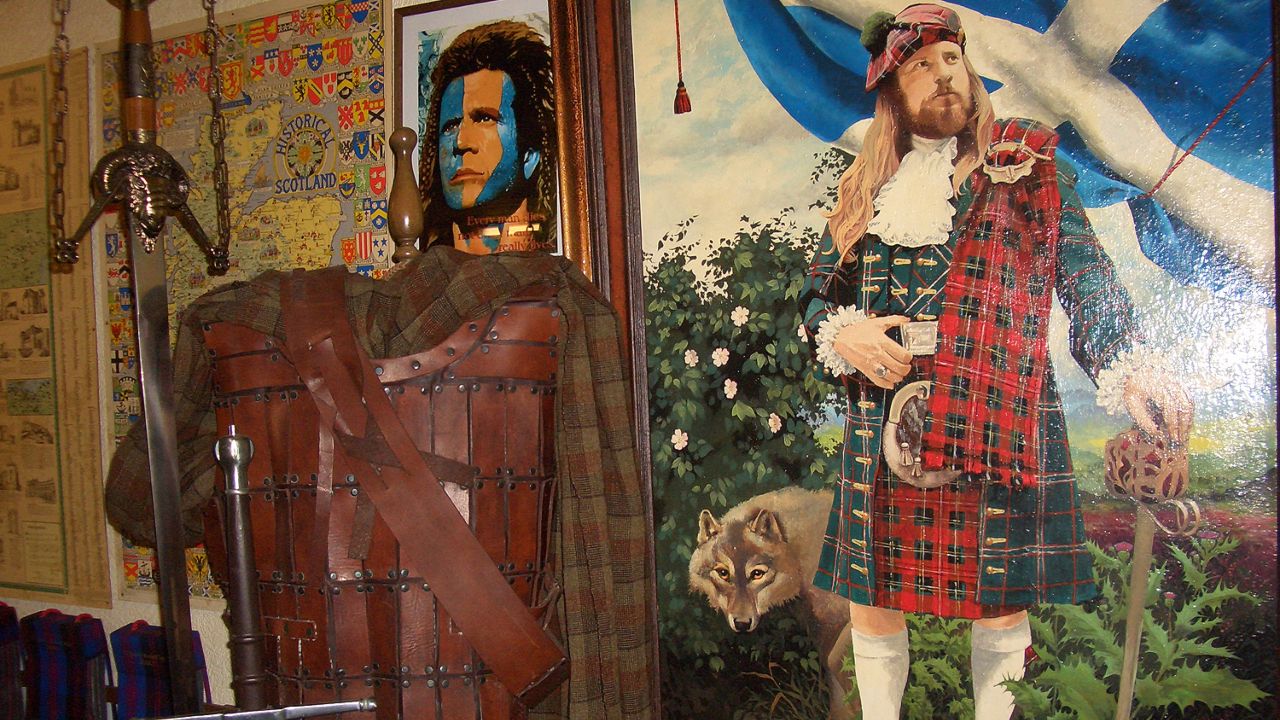
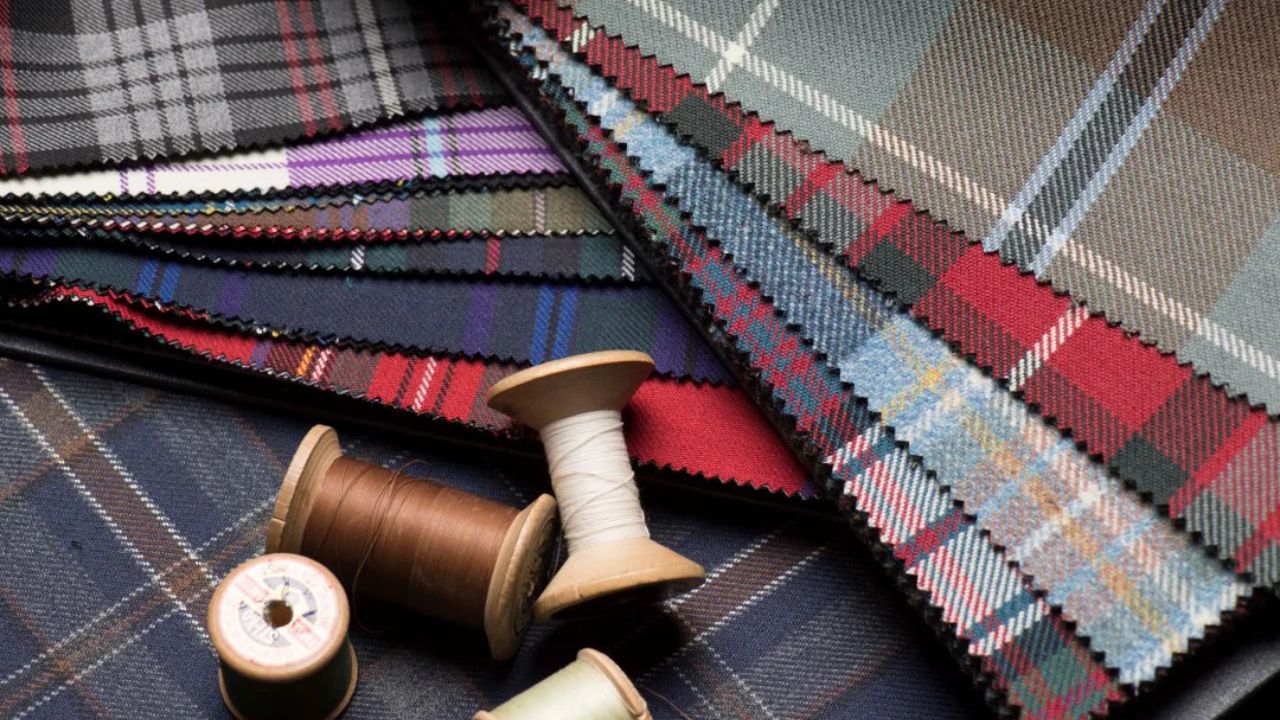
While tartan later came to symbolize Scottish identity, linen filled a similar cultural role in Ireland. To understand how textiles express identity elsewhere, see What Is Tartan? and How Long Has the Tartan Prints Been Around?.
Irish linen did not rely on bright patterns. Its value lay in texture, whiteness, and strength.
Decline, Survival, and Revival
Industrialization transformed linen weaving during the nineteenth century. Mechanized mills increased production but reduced domestic weaving. Over time, cheaper fabrics and global competition caused further decline.
Yet Irish linen never disappeared. Artisans, historians, and designers preserved techniques through workshops and heritage projects. Today, Irish linen enjoys renewed appreciation for its sustainability and craftsmanship.
This revival parallels renewed interest in Irish cultural practices, including music and ritual, such as those discussed in Heartbeat of Farewell: Irish Wake Traditions.
Why Irish Linen Still Matters
Irish linen weaving tells a story of resilience. It reflects how ordinary people transformed natural resources into lasting value. Each thread carries memory, labor, and pride.
In a world driven by speed, Irish linen reminds us that quality grows slowly and endures.