
The Celts’ Sacred Use of the Mistletoe: Ritual, Meaning, and Memory

Few plants held as much symbolic power in Celtic belief as mistletoe. The Celts did not see it as a simple parasitic plant. They viewed it as a living bridge between earth and sky. Growing without roots in the soil, mistletoe appeared to defy natural order. That defiance made it sacred.
This reverence fits neatly within a wider Celtic worldview, where nature spoke through signs and symbols. Storytelling preserved that worldview across generations, a practice explored in why Irish people are natural storytellers.
Why Mistletoe Held Sacred Power for the Celts
Mistletoe often grows high in trees, especially oaks. The oak already held immense spiritual weight in Celtic belief. When mistletoe appeared upon it, the Celts saw divine intention rather than chance.
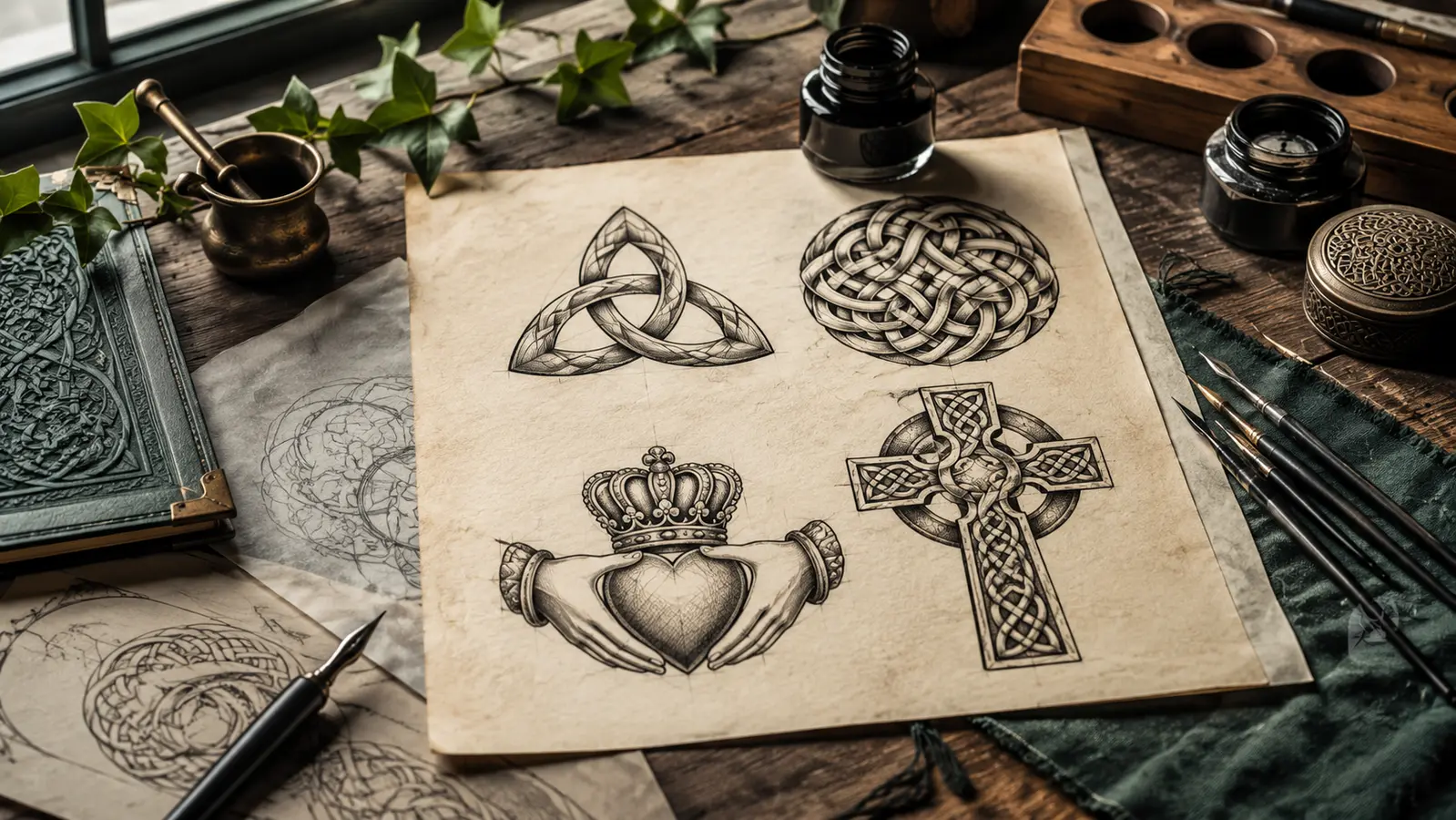
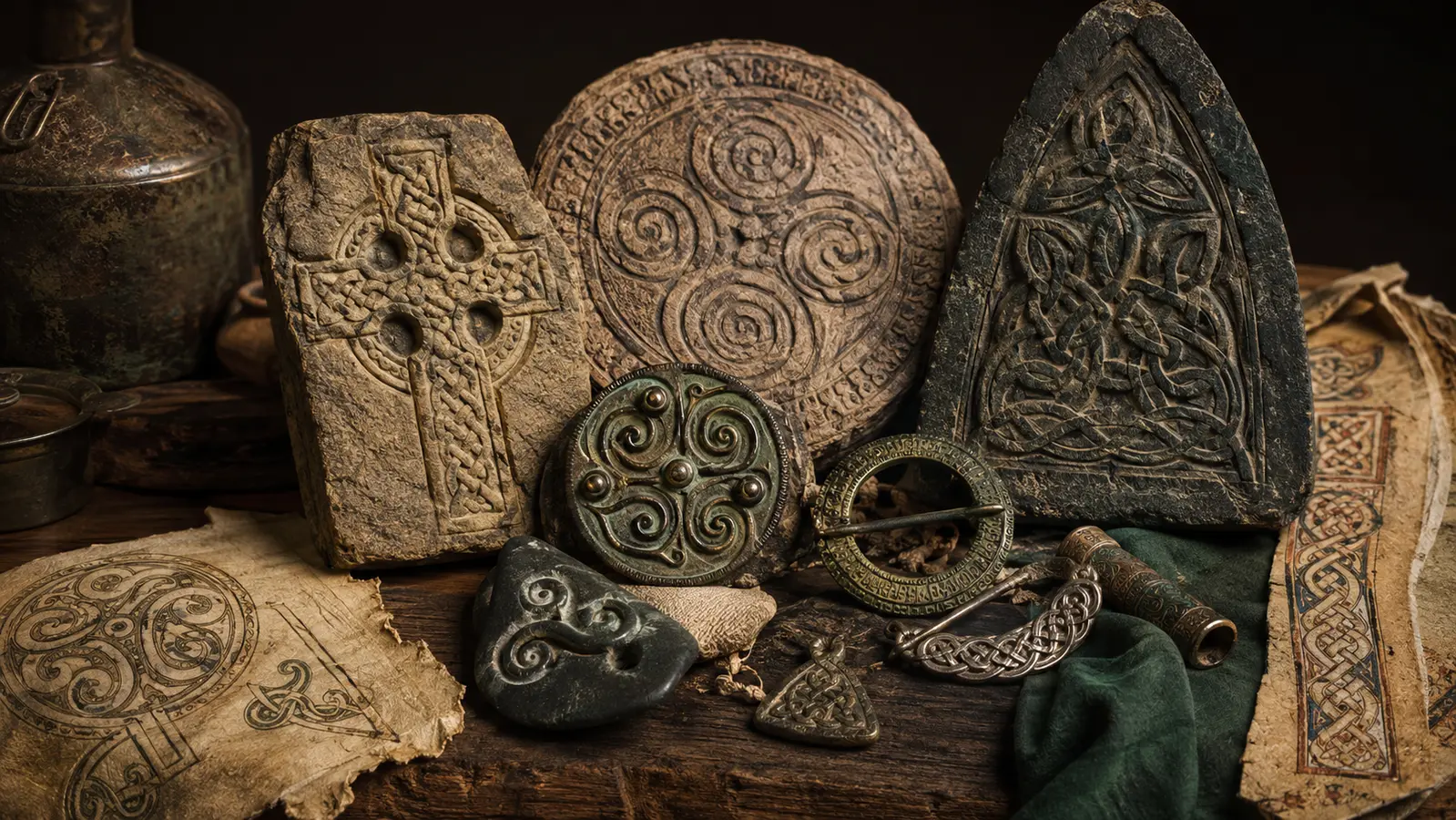
Pliny the Elder famously recorded Druidic mistletoe rituals, yet Celtic archaeology supports this reverence through sacred groves and carved symbols. These ideas align closely with motifs found in Celtic stone carvings, where plants often signify cosmic balance.
The Druidic Harvest Ritual
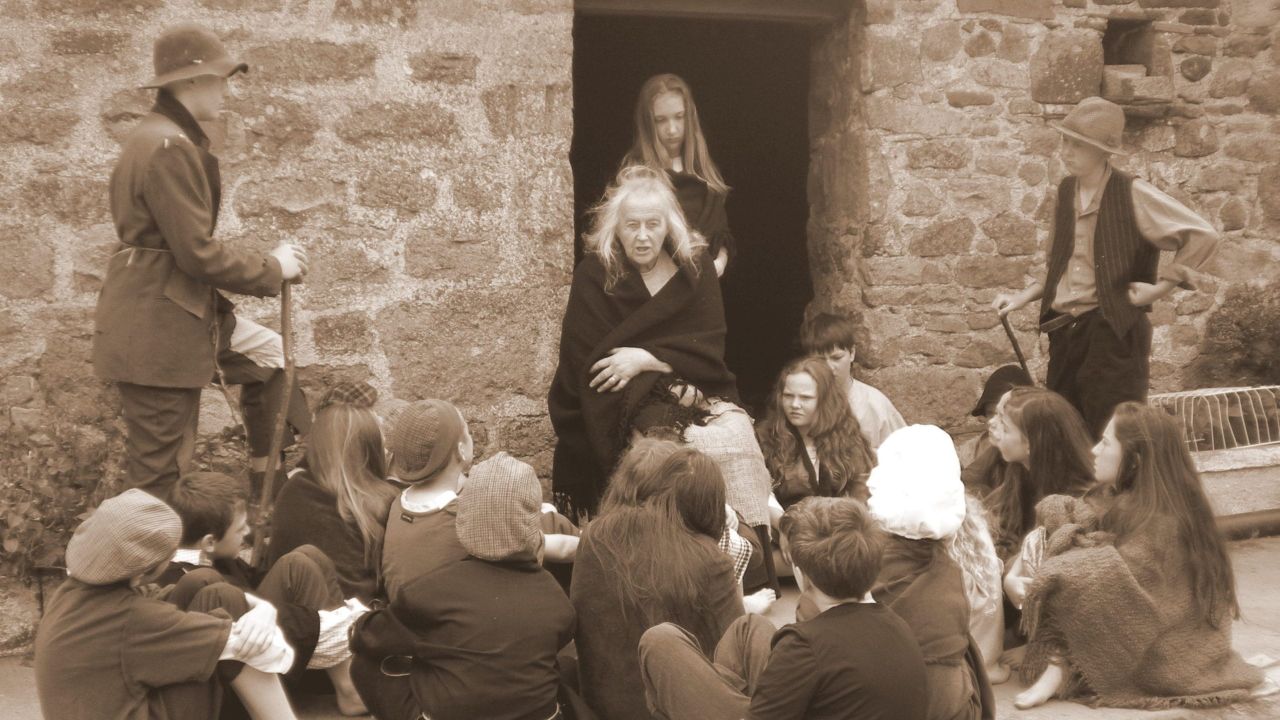
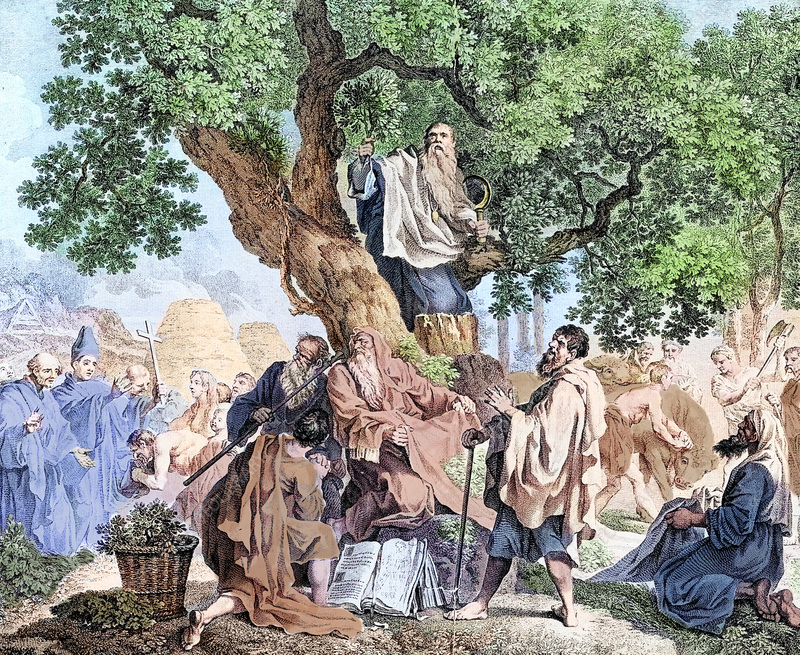
Druids harvested mistletoe with precise ceremony. They used golden sickles and avoided letting the plant touch the ground. Assistants caught it in white cloths. Each detail mattered.
This ritual emphasized purity and control. The Celts believed mistletoe absorbed cosmic energy because it touched neither earth nor root. That belief reflects the Celtic understanding of liminal spaces, places where transformation occurs.
Oak trees themselves symbolized strength and endurance, a relationship explored further in the Celtic oak tree.
Healing, Fertility, and Protection
The Celts associated mistletoe with healing and fertility. They used it in remedies, blessings, and protective charms. People believed it could restore balance to the body and land alike.
This idea mirrors broader Celtic healing traditions tied to water, trees, and sacred sites. Holy wells, for example, functioned in similar ways as spiritual and physical healing spaces (see Irish holy wells).
Mistletoe and Celtic Kingship
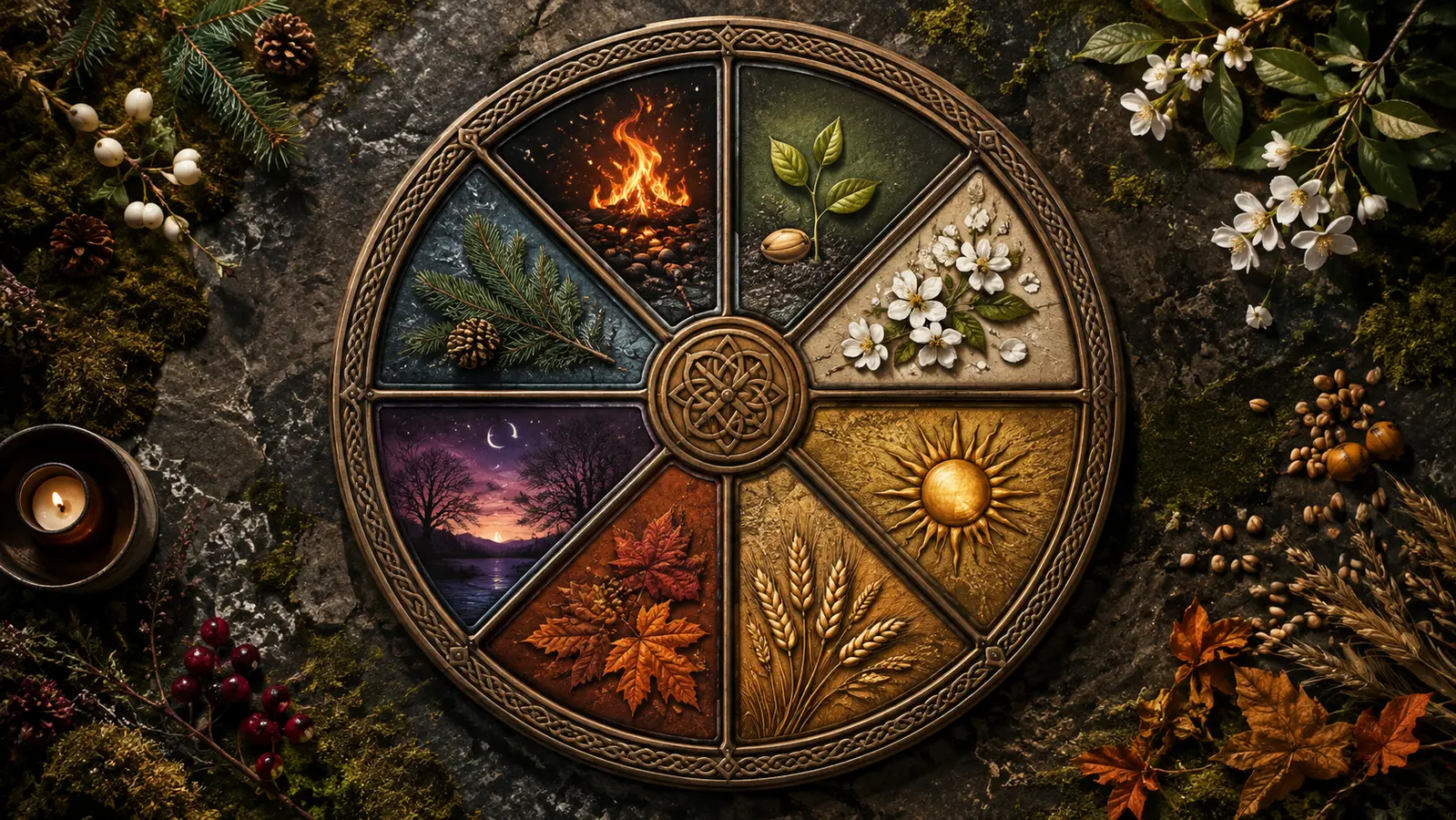
Celtic belief linked the health of the land to the moral and physical state of its leaders. Sacred plants such as mistletoe played roles in seasonal rites that reinforced this bond. These rites ensured harmony between ruler, people, and environment.
Such symbolism appears repeatedly across Celtic myth, including tales of divine figures like the Celtic sun god Lugh, who embodies balance, skill, and renewal.
Mistletoe did not grant power on its own. It required wisdom and restraint.
Music, Memory, and Sacred Knowledge
The Celts transmitted mistletoe lore orally. Music supported memory. Instruments such as the clàrsach often accompanied ritual and recitation, anchoring sacred knowledge in sound (what is a clàrsach).
Rhythmic instruments like the bodhrán reinforced communal participation in seasonal rites (the bodhrán drum). Through music, sacred knowledge stayed alive without written texts.
From Sacred Plant to Seasonal Symbol
Over time, mistletoe shifted from sacred object to festive decoration. Yet traces of its spiritual meaning remain. The modern custom of hanging mistletoe still echoes ancient beliefs in fertility, unity, and renewal.
This transformation mirrors many Celtic traditions that adapted rather than vanished, much like tartan and ceremonial dress (see what is tartan and how long tartan prints have been around).
Why the Celts’ Sacred Use of Mistletoe Still Matters
The Celtic reverence for mistletoe reveals a worldview grounded in balance rather than domination. The plant symbolized connection, humility, and care for unseen forces.
In a modern age marked by environmental strain, the Celts’ respect for sacred plants offers more than nostalgia. It offers perspective.