The Cauld Lad of Hilton: Scotland’s Mysterious House Spirit

Scottish folklore does not always roar with dragons or clash with heroic battles. Sometimes, it whispers.
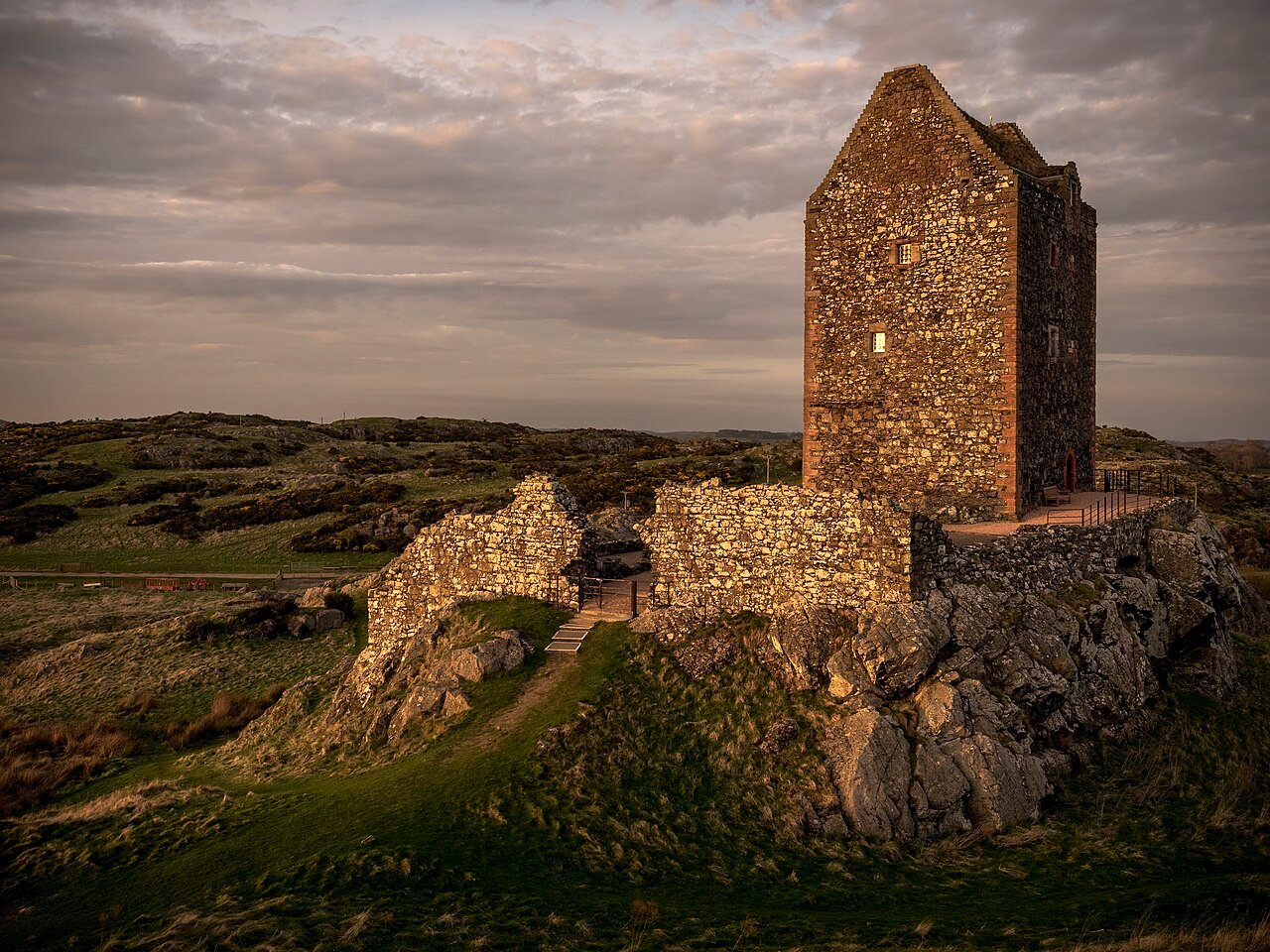
The Cauld Lad of Hilton belongs to that quieter tradition. He is a house spirit, a domestic presence, and a moral observer. His story unfolds within Hilton Castle, near Sunderland, and it reveals how Scots once understood home, labor, and the unseen world.
To understand the Cauld Lad, we must enter the household, not the battlefield.
Who Is the Cauld Lad of Hilton?
The Cauld Lad of Hilton appears in northern English and Scottish Border folklore. Despite the castle’s modern location in England, the legend carries strong Scottish folkloric features, especially those tied to household spirits like brownies.
The name “Cauld” means cold in Scots. The spirit earned it because he worked at night, often in chilly kitchens and stone corridors. He performed domestic tasks, cleaned rooms, stacked plates, and completed chores left unfinished by servants.
Yet, like many Celtic spirits, he demanded respect.
The Cauld Lad and the Brownie Tradition
The Cauld Lad fits neatly into the wider brownie tradition, a belief system common across Scotland. Brownies served households quietly. They asked for no wages. They accepted only small offerings, often food.
This theme appears across Celtic storytelling, which you can explore further in our discussion on why Irish people are natural storytellers:
https://celtguide.com/why-are-irish-people-natural-storytellers/
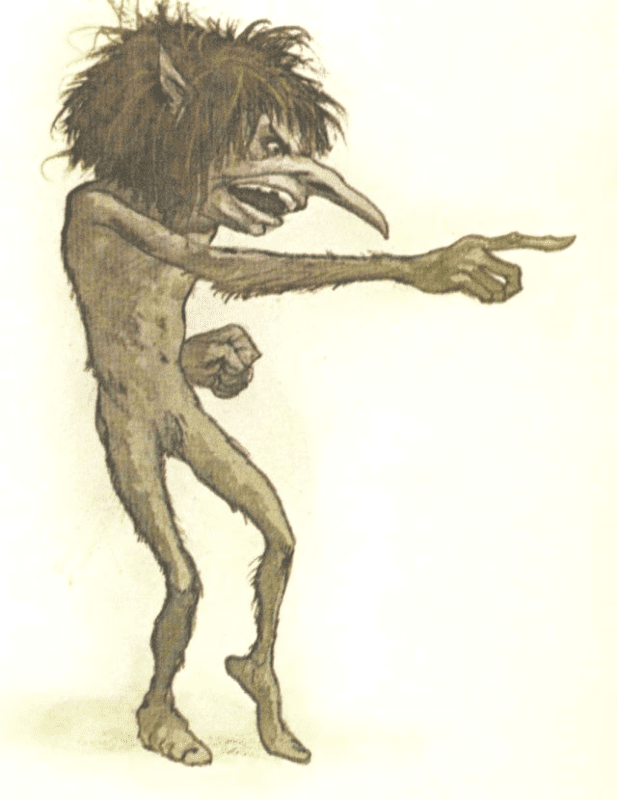
Like brownies, the Cauld Lad worked best when left unacknowledged. When the Hilton servants offered him clothes, he vanished forever. The gesture insulted him. Payment broke the sacred contract.
This rule echoes throughout Celtic folklore. Magic thrives on balance, not ownership.
Domestic Spirits and Celtic Worldviews
Celtic societies viewed the home as a living space, not a neutral one. Spirits moved through kitchens, barns, and hearths. They protected order. They punished neglect.
You can see similar symbolic thinking in ancient material culture, such as Celtic stone carvings, where domestic and spiritual life often overlap:
https://celtguide.com/celtic-stone-carvings/
The Cauld Lad reflects this worldview. He does not haunt. He participates. His presence reinforces moral behavior. Clean work invites harmony. Disrespect invites absence.
Why the Cauld Lad Still Matters
Modern readers often label such spirits as ghosts. That label misses the point.
The Cauld Lad does not linger from trauma. He functions as a household conscience. His departure signals breakdown. When servants tried to civilize him with clothing, they misunderstood him.
Celtic folklore frequently warns against imposing human systems on the Otherworld. The same caution appears in myths like the Cauldron of Dagda, where abundance follows reverence, not control:
https://celtguide.com/cauldron-of-dagda/
The lesson remains relevant. Not everything valuable responds to reward or ownership.
The Cauld Lad in the Wider Celtic Imagination
House spirits appear across Celtic lands. Scottish brownies, Irish clurichauns, and Welsh bwbacod all serve similar roles. They bridge labor and magic.
Their stories endure because they explain the invisible order behind daily life. They remind us that work carries dignity, and homes carry memory.
If you enjoy exploring these quieter mythic figures, you may also find interest in other liminal beings such as selkies in folklore:
https://celtguide.com/selkies-in-folklore/
Final Reflections
The Cauld Lad of Hilton does not ask to be seen. He asks to be respected. His legend preserves an older understanding of coexistence between humans and the unseen.
In an age obsessed with visibility and reward, his silence feels radical.
Perhaps that is why he still lingers in story, even after leaving the castle.