
The Feast of Samhain: Celtic Origins of Winter

The Feast of Samhain marked more than a seasonal change. It signelled the end of the old year and the beginning of the new in the ancient Celtic world. Celebrated on the night of 31 October, Samhain stood at the threshold between light and darkness, harvest and winter, life and the unseen.
For early Irish communities, this moment mattered deeply. It shaped belief, behavior, and identity.
What Is Samhain?
Samhain (pronounced sow-in) served as the Celtic New Year. It closed the agricultural cycle and opened the dark half of the year. Crops had been gathered. Livestock returned from summer pastures. Communities prepared for cold months ahead.
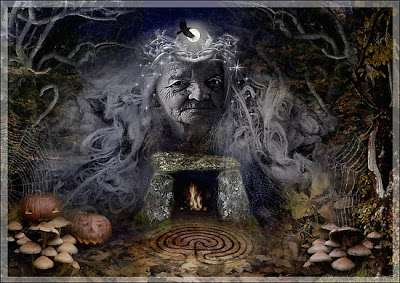
Unlike modern festivals, Samhain carried spiritual weight. People believed the boundary between worlds thinned on this night. Spirits, ancestors, and otherworldly beings could cross more freely.
This belief echoes through Irish storytelling traditions, explored further in Why Are Irish People Natural Storytellers?.
Rituals and Fires of Protection
Bonfires formed the heart of Samhain rituals. Communities lit them on high ground. Fire offered warmth, protection, and renewal. People carried embers home to relight hearths, symbolizing continuity and survival.
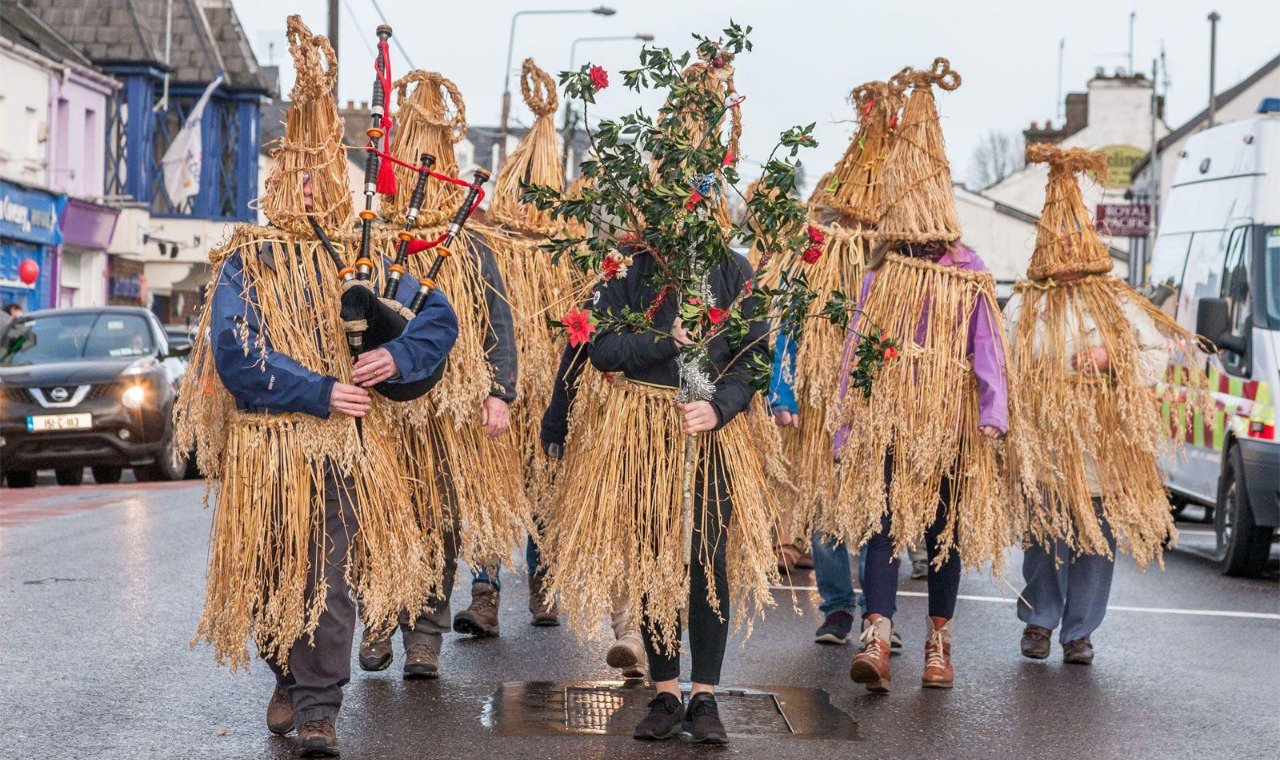
Disguises also played a role. People wore masks or animal skins to confuse wandering spirits. This practice later evolved into modern Halloween costumes.
Offerings of food honored ancestors and appeased unseen forces. These customs show how belief shaped daily life, much like sacred landscapes such as the Hill of Tara shaped political and spiritual authority.
Samhain in Irish Mythology
Irish mythology places Samhain at moments of transformation and danger. Many legendary events unfold on this night. Heroes encounter supernatural beings. Battles begin. Worlds overlap.
The Dagda, a central figure in Celtic myth, features prominently in Samhain tales. His cauldron symbolised abundance and renewal. You can explore this symbolism in The Cauldron of Dagda.
Samhain stories were not entertainment alone. They offered moral lessons and explained natural cycles through narrative.
From Samhain to Halloween
Christianisation reshaped Samhain but did not erase it. The Church repositioned the festival as All Saints’ Day and All Souls’ Day. Many older customs survived beneath new names.
Lanterns, once carved from turnips, became pumpkins in later traditions. Processions, storytelling, and remembrance continued.
This blending reflects how Celtic culture adapted rather than vanished, a pattern seen across traditions discussed in The Echo of Ancestors: How Celtic Bells Ring Through Time.
Clothing, Identity, and Seasonal Change
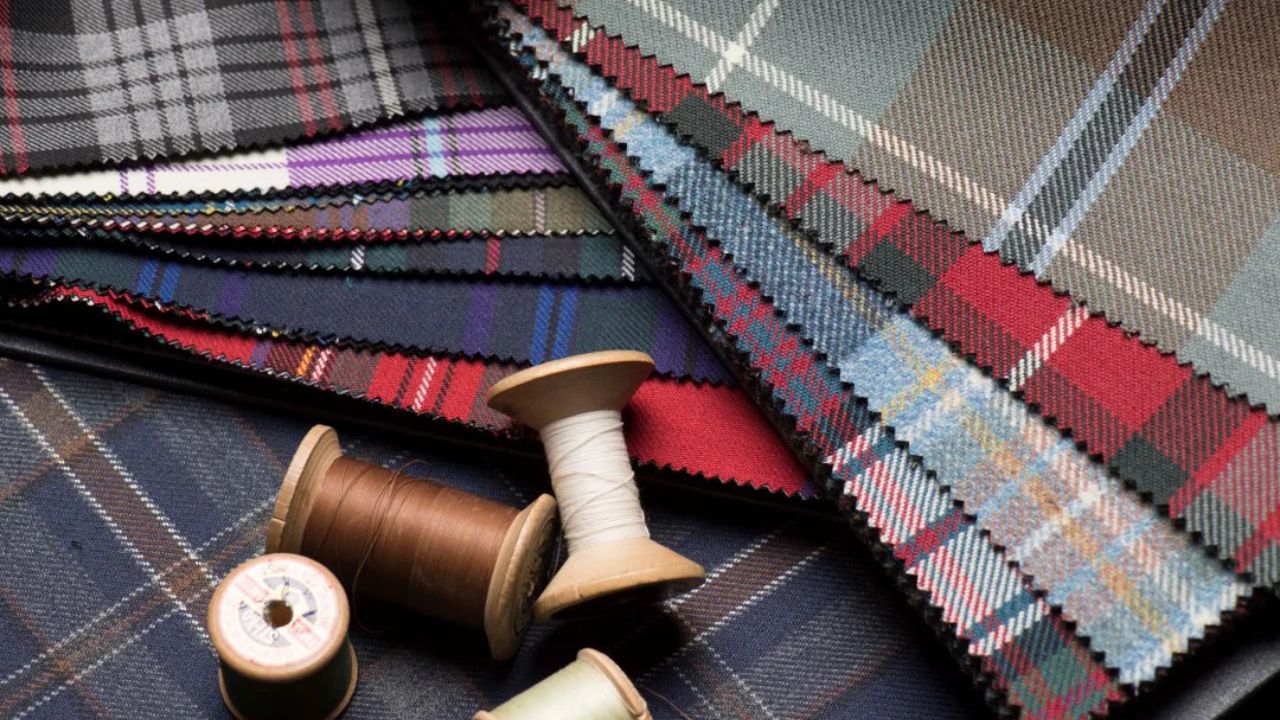
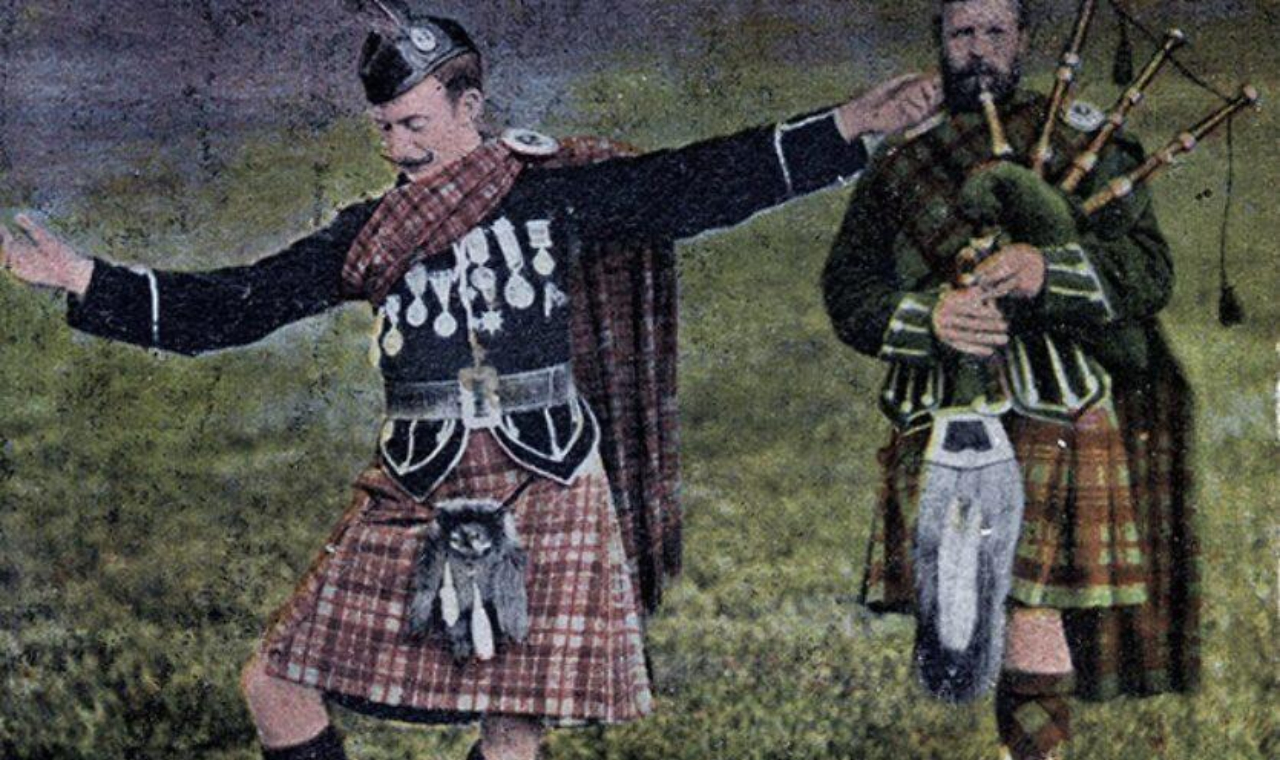
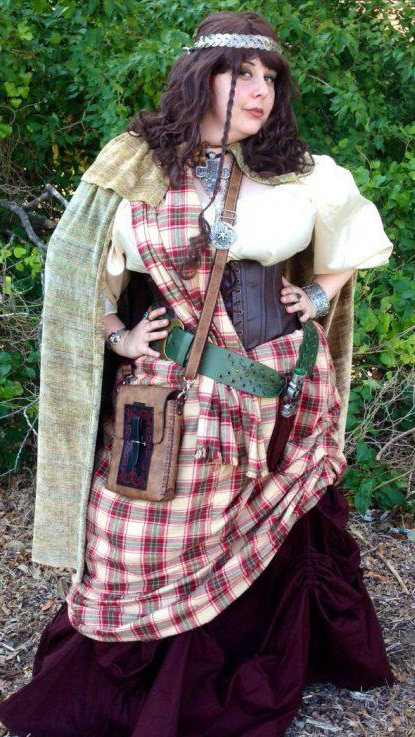
Samhain also marked a shift in dress. Heavier garments replaced lighter ones. Wool and tartan offered warmth and durability. Clothing reflected both environment and identity.
While kilts as we know them developed later, the connection between seasonal life and dress remains strong. To understand how cultural clothing evolved, explore What Is Tartan? and Do Irish Wear Kilts?.
Festivals and attire always moved together in Celtic society.
Why Samhain Still Matters Today
The Feast of Samhain reminds us that time once followed natural rhythms rather than calendars. It encouraged reflection, remembrance, and respect for unseen forces.
Modern celebrations still carry echoes of this worldview. Lighting candles, honouring ancestors, and marking seasonal transitions connect us to a deep cultural past.
Samhain endures because it speaks to universal human concerns: survival, memory, and renewal. It remains a cornerstone of Celtic identity and a living link to ancient Ireland.
For more explorations of Celtic festivals and traditions, visit CeltGuide Blog.