
Tartan Sash: Meaning, Tradition, and How to Wear It
The first time you see a tartan sash worn across the shoulder, it feels both elegant and deeply grounded in history. It does not shout. It simply honors where a person comes from.
A tartan sash carries more than fabric. It carries identity, memory, and belonging. In Highland culture, this simple piece of cloth tells stories as vividly as songs or legends. It links the wearer to landscape, clan, and community.
For anyone curious about tartan origins, the broader history begins long before the fashion world discovered it. You can explore that background in more depth in our guide on what tartan really is:
https://celtguide.com/what-is-tartan/
What Exactly Is a Tartan Sash?
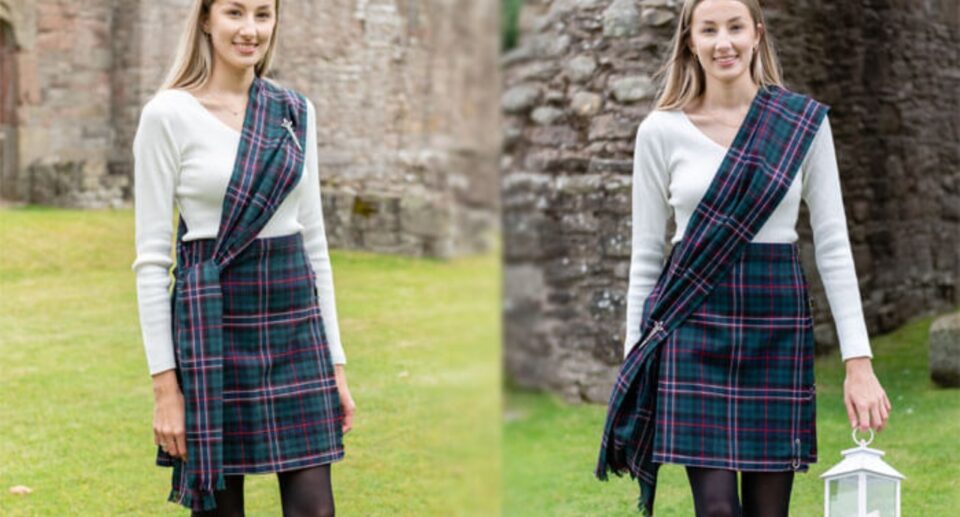
A tartan sash is a long, narrow strip of tartan that drapes across the body, usually from one shoulder to the opposite hip. Traditionally, women and girls wear it with Highland dress, though men may wear it during certain ceremonies.
Unlike the kilt, which feels weighty and structured, the sash feels light. It moves when you walk. It gives color, dignity, and grace without effort.
History Woven into Every Thread
Sashes emerged from the broader world of tartan and clan identity. Families and communities used specific tartans to show loyalty and kinship. Wearing a sash allowed women to participate visually in that tradition without adopting the full kilt.
In many Highland communities, a sash signaled pride, hospitality, and respect for ancestors. It still does.
If you’re curious about how long tartan patterns have existed, this article adds wonderful historical context:
https://celtguide.com/how-long-has-the-tartan-prints-been-around/
Who Wears a Tartan Sash Today?
You’ll see tartan sashes at:
- weddings and formal gatherings
- Highland games
- cultural festivals
- clan reunions
- national commemorations
Dancers, musicians, and community leaders often wear them as part of their regalia. In some families, the sash passes down generations like a quiet heirloom.
And no, tartan is not restricted to Scotland alone. Irish and Celtic traditions have deep connections to it as well. Learn more about cultural clothing here:
https://celtguide.com/do-irish-wear-kilts/
How to Wear a Tartan Sash Correctly
A good sash should look intentional, not improvised.
Most women drape it over the left shoulder and secure it at the hip or chest with a brooch. Brides may wear it differently depending on symbolism. Clan chiefs and special guests sometimes use formal variations.
We already created a complete step-by-step guide for readers who want precision:
https://celtguide.com/how-to-wear-a-tartan-sash/

The Symbolism Beneath the Style
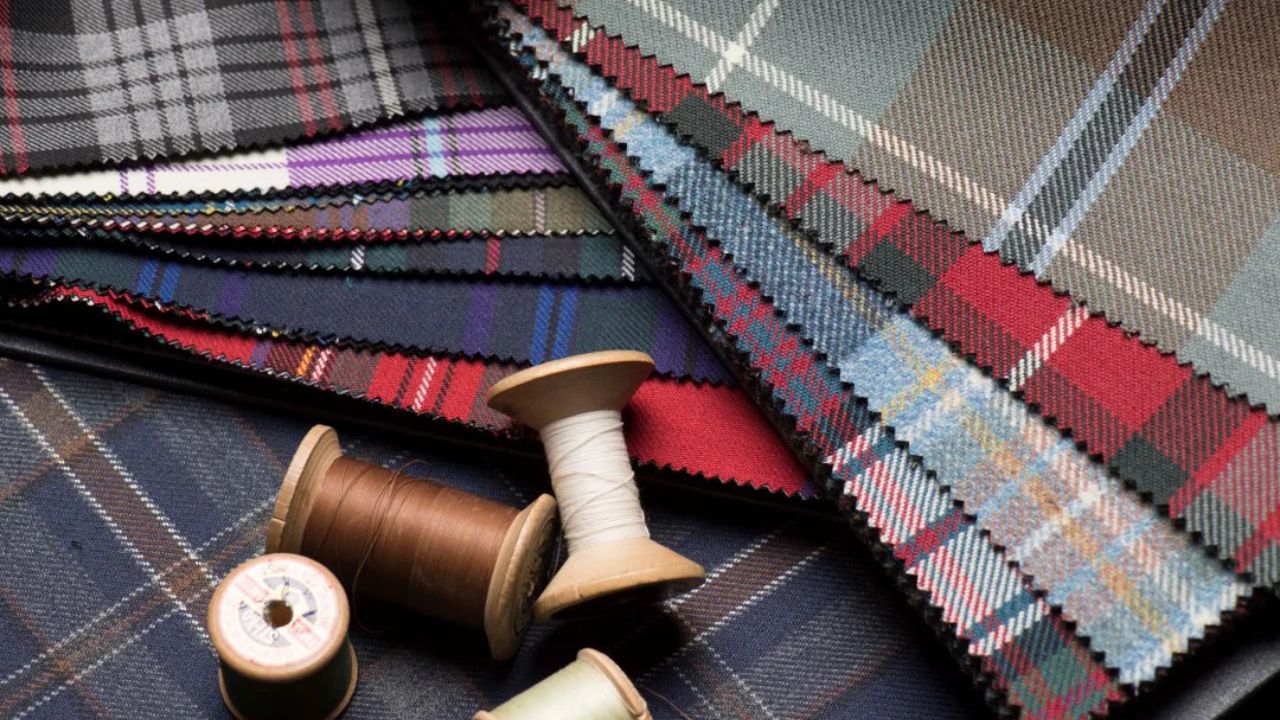
Every tartan carries meaning. Each line represents territory, families, and shared stories. Wearing a sash feels less like decoration and more like participation.
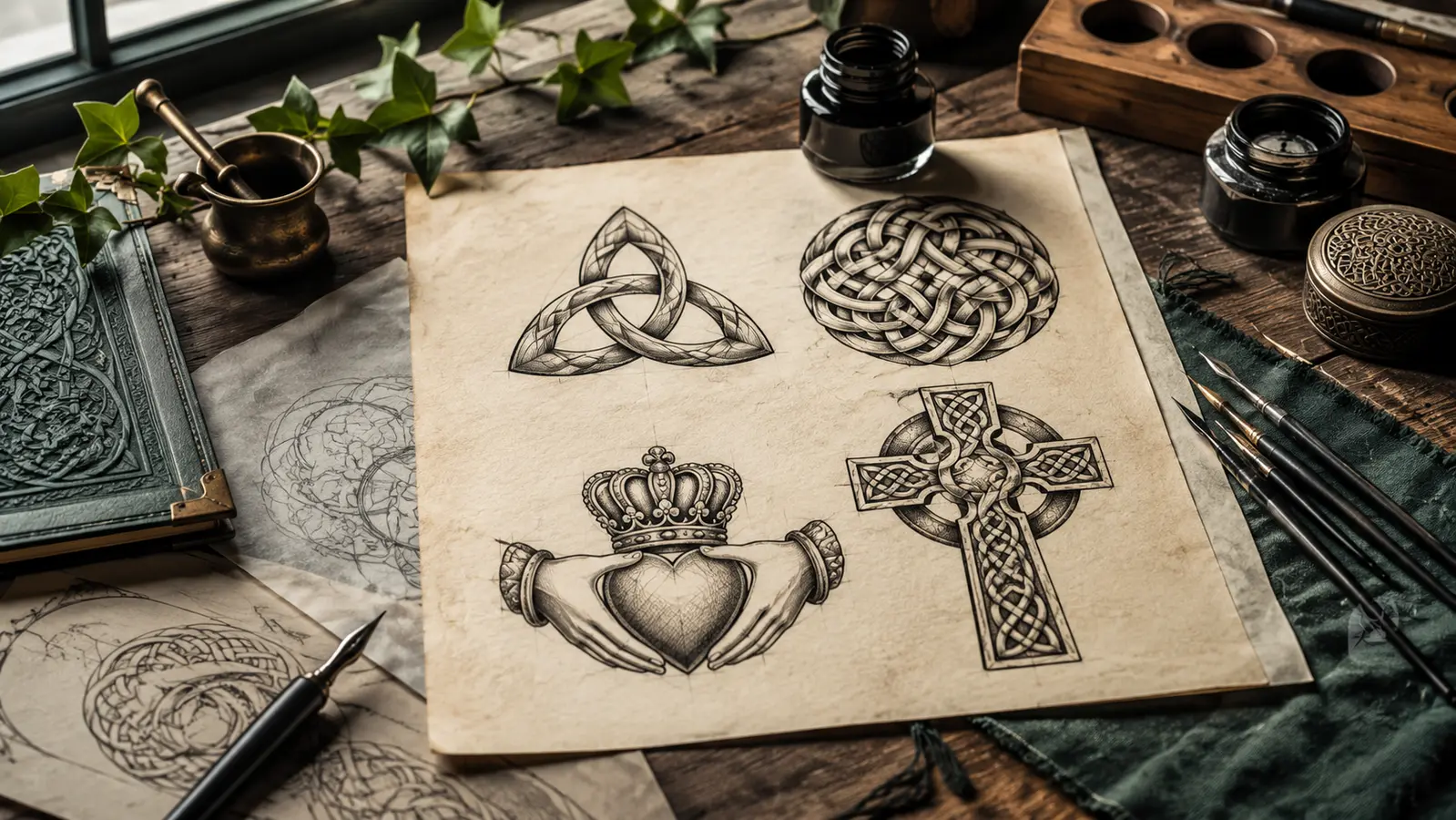
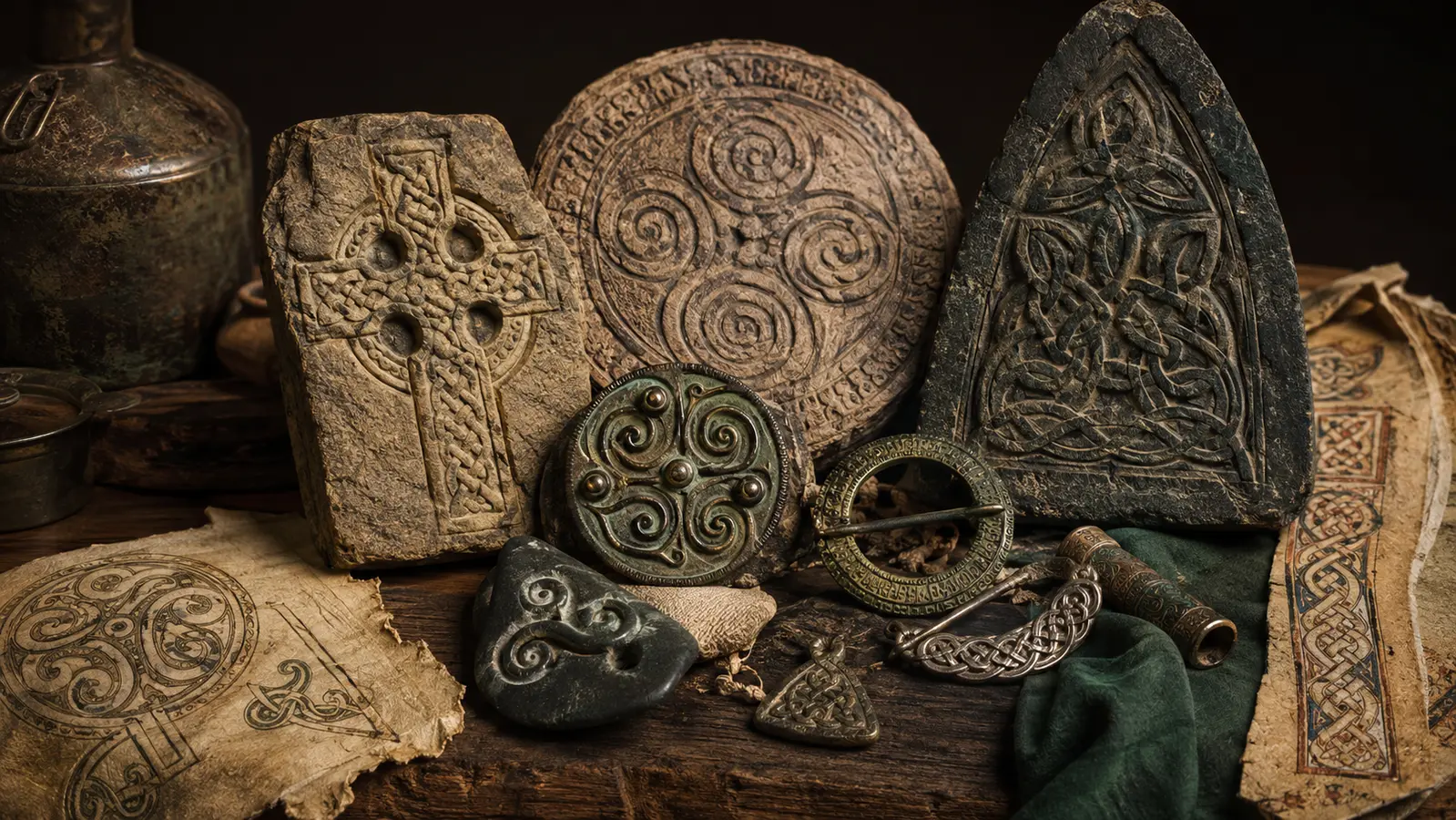
It aligns beautifully with other Celtic symbols carved in stone, sung in ballads, or etched into legend. For a deeper dive into Celtic art traditions, visit:
https://celtguide.com/celtic-stone-carvings/
Choosing the Right Sash
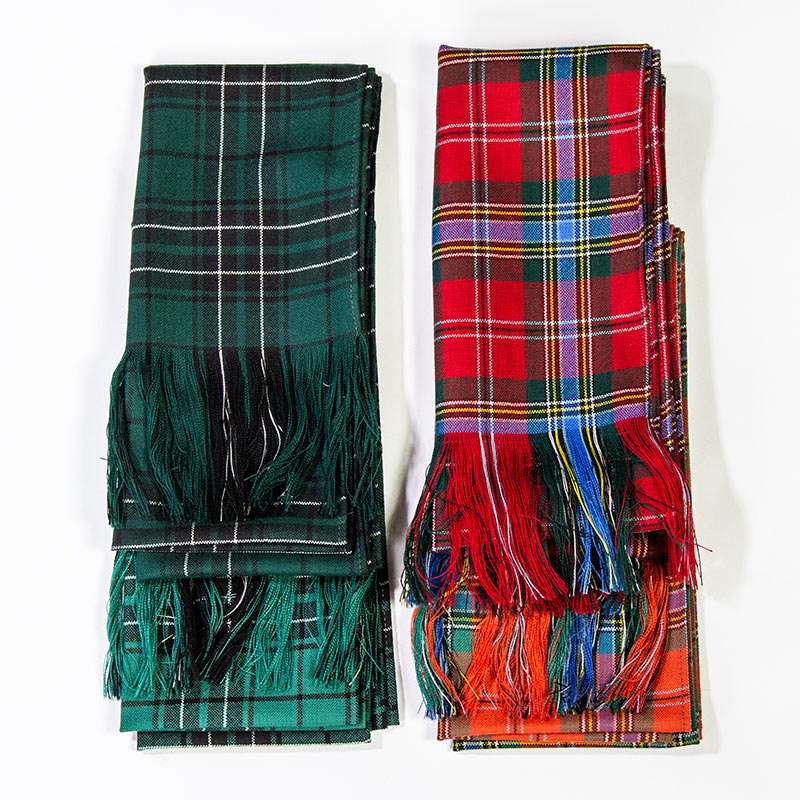
When selecting a sash, consider:
- clan tartan
- event formality
- fabric weight
- connection to heritage
Some people choose tartans that speak to admiration rather than ancestry. Others insist on lineage-specific designs. Both approaches show respect when worn thoughtfully.
Why the Tartan Sash Endures
The tartan sash survives because it balances simplicity and meaning. It honors history without feeling heavy. It welcomes people into tradition without demanding strict conformity.
In a world obsessed with fast fashion, the sash reminds us that clothing can tell truths about identity, kinship, and belonging. Much like Celtic storytelling itself, explored here:
https://celtguide.com/why-are-irish-people-natural-storytellers/
The sash does not just accessorize clothing. It dignifies the person wearing it.
Final Thoughts
A tartan sash invites you into a long conversation with the past. When you fasten it, you stand where ancestors stood; not frozen in nostalgia, but connected to something larger than today.
It feels like heritage draped lightly across the shoulder, allowing you to walk forward with grace.