Scottish Lullabies: Songs of Comfort and Tradition

Scottish lullabies whisper history in gentle tones. Sung softly at cradle-side, these songs offer comfort, protection, and belonging. They carry the emotional core of Scottish domestic life, where music, language, and memory meet in intimate spaces.
What Are Scottish Lullabies?
Scottish lullabies are traditional songs sung to soothe children to sleep. Many originate in Scottish Gaelic, though Scots and English versions also exist. The melodies flow slowly. The lyrics repeat. Together, they create calm and reassurance.
Like storytelling traditions across Ireland and Scotland, lullabies pass orally from one generation to the next, preserving culture through voice rather than page (https://celtguide.com/why-are-irish-people-natural-storytellers/).
Gaelic Language and Lullaby Tradition
Gaelic shaped the heart of Scottish lullabies. The language’s rhythm and sound suit song naturally. Many lullabies also served as language lessons, introducing children to words, values, and worldview.
Religious imagery and blessing phrases often appear, reflecting the deep influence of sacred texts and faith within Gaelic-speaking communities (https://celtguide.com/scottish-gaelic-bible-translations/).
Some lullabies also include gentle warnings, reminding children of boundaries in a poetic, non-threatening way.
Musical Features of Scottish Lullabies
Scottish lullabies rely on simplicity. They avoid sharp changes in pitch or tempo. The steady flow mirrors breathing and heartbeat, helping children relax.
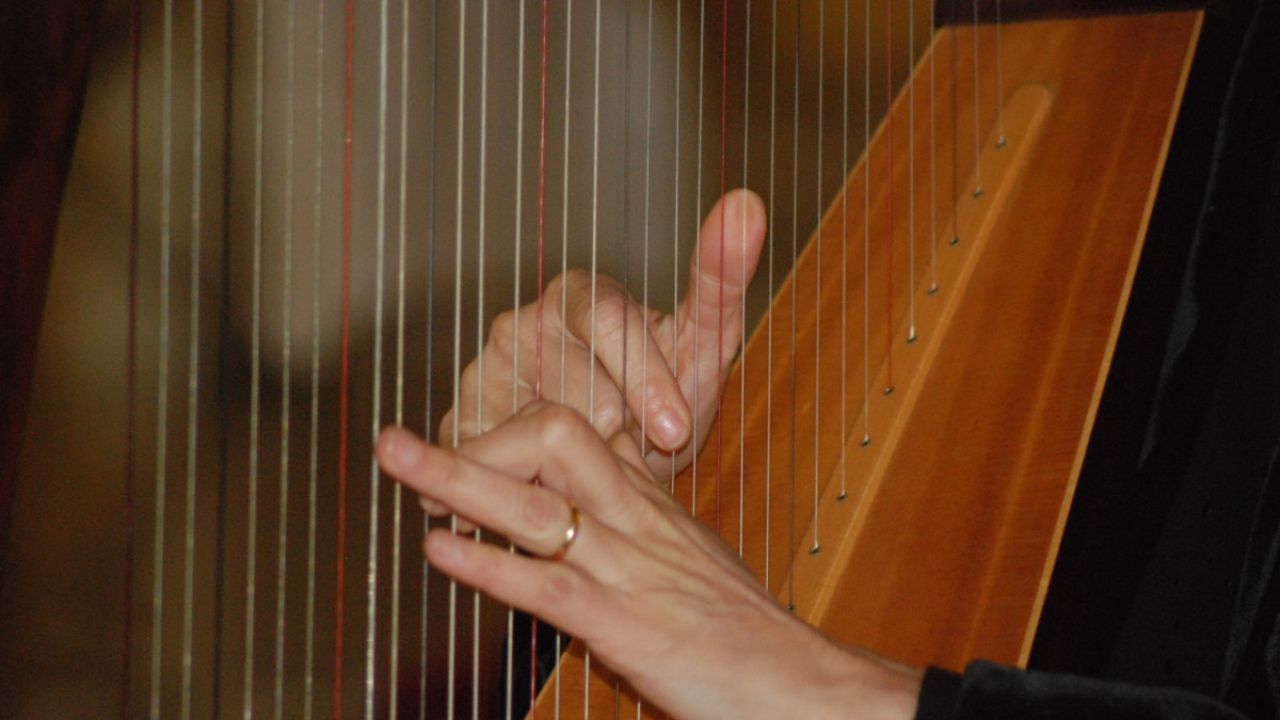
Instruments sometimes accompany these songs. The clàrsach, or Celtic harp, adds warmth and resonance when played softly (https://celtguide.com/what-is-a-clarsach-a-comprehensive-guide-to-the-celtic-harp/). In other settings, the human voice alone carries the melody.
Themes Found in Scottish Lullabies
Scottish lullabies explore themes of protection, nature, and belonging. Parents often invoke the landscape to shield children. Hills, rivers, and stars become guardians through song.
Nature holds sacred meaning in Celtic culture. Trees such as the oak symbolise strength and continuity, values woven into lullaby imagery (https://celtguide.com/celtic-oak-tree/).
Some lullabies also echo folklore, referencing fairies or spirits. These elements reflect the blurred boundary between everyday life and the otherworld, a feature common in Celtic myth (https://celtguide.com/what-is-annwn/).
Lullabies and Rural Scottish Life
In rural Scotland, lullabies accompanied daily labour. Mothers sang while working fields or tending animals. Music softened long hours and formed emotional bonds between parent and child.
Communities shaped these songs collectively. Much like crofting life itself, lullabies reflected resilience, patience, and interdependence (https://celtguide.com/crofters-journey-through-time/).
Historical upheavals, including famine and migration, affected family life deeply. Lullabies provided emotional continuity during times of loss and displacement, similar to experiences across Ireland after the Great Famine (https://celtguide.com/the-influence-of-the-irish-potato-famine/).
Famous Scottish Lullabies
Several Scottish lullabies remain well known today. Songs like “Bà, Bà, Mo Leanabh” continue to appear in recordings and performances. Their survival shows how private songs can achieve public cultural importance.
Modern musicians often adapt these lullabies, blending tradition with contemporary arrangements. This process mirrors the evolution seen in other Scottish and Irish musical forms, including fiddle traditions (https://celtguide.com/fiddle-music/).
Scottish Lullabies Today
Today, Scottish lullabies play a renewed role in cultural preservation. Parents, educators, and musicians use them to reconnect children with language and heritage. Schools and festivals increasingly include lullaby performances alongside livelier music.
Events celebrating traditional culture, much like Highland Games, remind audiences that heritage includes quiet moments as well as spectacle (https://celtguide.com/events-to-watch-in-highland-games-2025/).
Why Scottish Lullabies Still Matter
Scottish lullabies endure because they speak softly yet deeply. They offer safety in sound and continuity in language. In a fast world, these songs slow time.
They remind us that culture often survives not through grand performance, but through whispered melodies passed from one generation to the next.