Ceilidh Dancing: Scotland’s Living Tradition of Movement and Music

Ceilidh dancing sits at the heart of Scottish social life. It blends music, movement, and community into one joyful experience. Unlike formal stage dances, ceilidh welcomes everyone. Skill matters less than enthusiasm. That openness explains why ceilidh still thrives, from village halls to university balls.
As a scholar trained in Scotland’s cultural history, I see ceilidh not as nostalgia, but as a living tradition. It adapts, travels, and continues to bring people together.
What Is Ceilidh Dancing?
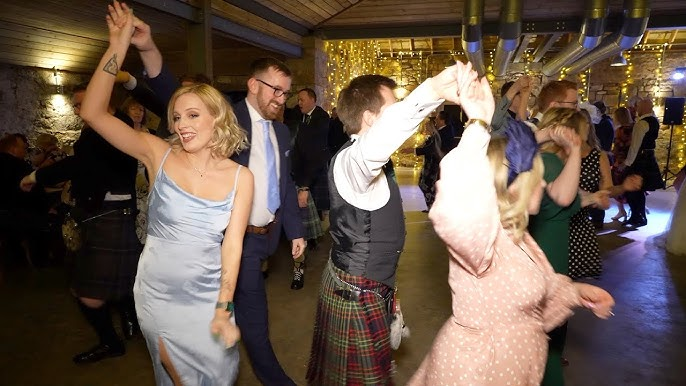
The word ceilidh comes from Scottish Gaelic and means “gathering” or “visit.” Over time, it came to describe social events built around music, storytelling, and dance. Today, ceilidh dancing refers to group dances performed in sets, circles, or lines.
Each dance follows clear patterns. A caller explains the steps before the music begins. That structure allows newcomers to join with confidence. You do not need prior training. You only need a willingness to move and laugh.
👉 For a wider cultural context, explore CeltGuide’s main blog.
A Brief History of Ceilidh Traditions
Ceilidh dancing developed in rural Scotland during the 18th and 19th centuries. Communities gathered after harvests, weddings, or religious festivals. Music came from fiddles, pipes, or later, small bands.
Irish social dances influenced Scottish ceilidh forms, especially in coastal regions. You can see this shared heritage in music styles and rhythms. This connection mirrors broader Celtic storytelling traditions, discussed in Why Are Irish People Natural Storytellers?.
Despite urbanisation, ceilidh survived. Universities, folk societies, and weddings kept it alive through the 20th century.
Popular Ceilidh Dances You Should Know
Several dances appear at nearly every ceilidh. These include:
- Gay Gordons – a graceful couple dance, ideal for beginners
- Dashing White Sergeant – fast-paced and energetic
- Strip the Willow – lively, spinning, and highly social
- Canadian Barn Dance – simple steps with a strong rhythm
Each dance encourages eye contact and teamwork. You do not dance at people. You dance with them.
The Music That Drives the Dance
Ceilidh music sets the pace and mood. Bands usually feature fiddles, accordion, keyboard, and percussion. Rhythm matters more than complexity.
Traditional instruments such as the fiddle connect ceilidh to older musical lineages. For deeper insight, see Fiddle Music and The Bodhrán Drum.
Modern ceilidh bands often blend folk tunes with contemporary energy. This balance keeps the tradition relevant without losing its roots.
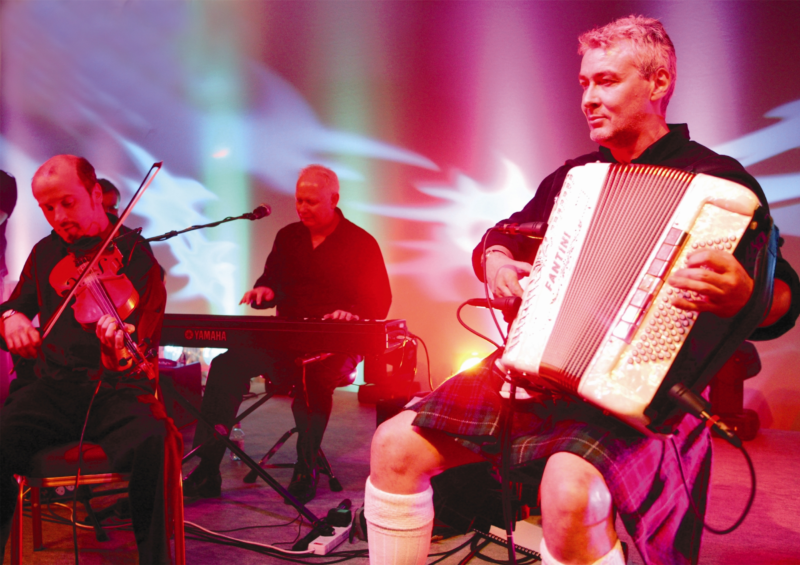
👉 You can also explore modern performance culture through Ceili Bands.
What to Wear to a Ceilidh
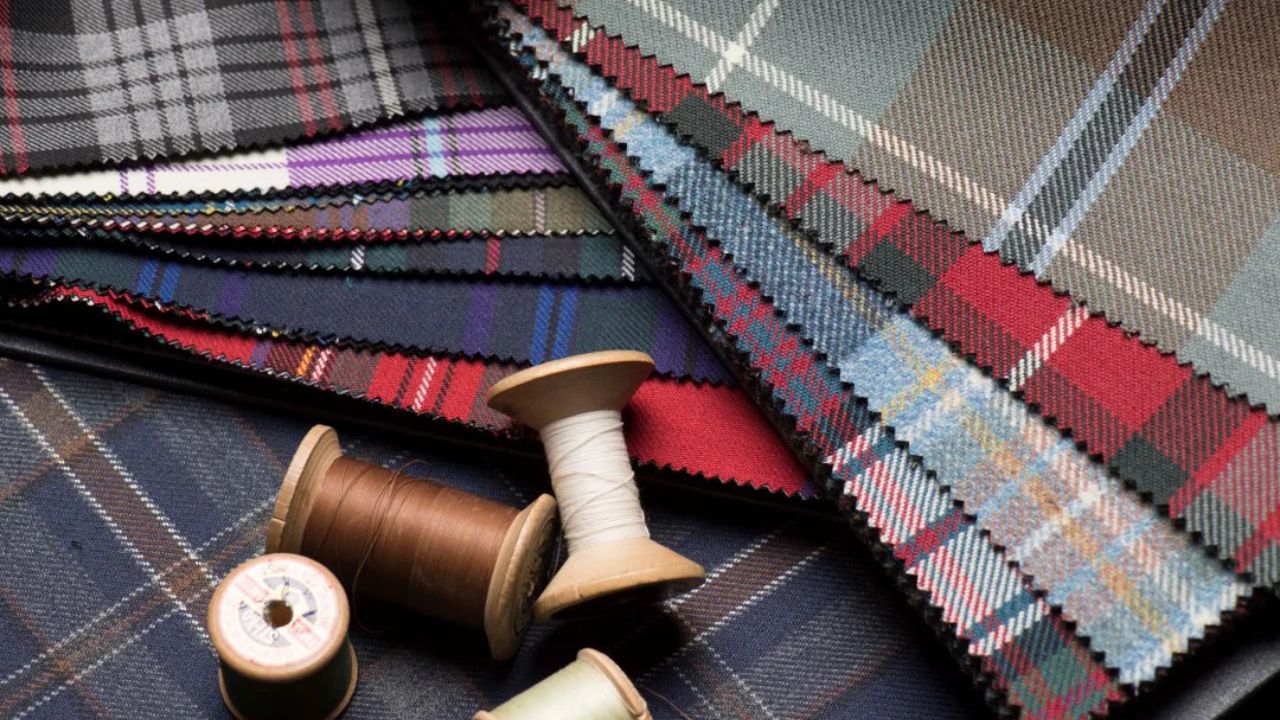
Ceilidh attire ranges from casual to formal. At weddings or Highland events, many dancers wear kilts or tartan accessories. Movement matters more than fashion, but tradition still plays a role.
If you want to understand tartan’s cultural meaning, read What Is Tartan? and How Long Has the Tartan Print Been Around?.
Comfortable shoes remain essential. You will move, turn, and spin more than you expect.
Ceilidh Dancing in Modern Scotland and Beyond
Today, ceilidh dancing thrives across Scotland, Ireland, and the global Celtic diaspora. Universities host annual ceilidh balls. Cultural festivals feature open dance floors. Even tourists join in at Highland Games events.
This revival aligns with wider interest in heritage experiences. Events like those discussed in Events to Watch in Highland Games 2025 often include ceilidh sessions.
Ceilidh also supports wellbeing. It encourages physical movement, social connection, and shared joy. In an increasingly digital world, that matters.
Why Ceilidh Dancing Still Matters
Ceilidh dancing teaches cooperation without competition. It values participation over perfection. Every dancer contributes to the shared rhythm of the floor.
More importantly, ceilidh keeps cultural memory active. It reminds us that tradition survives through use, not display. When people dance together, history breathes.