The Legend of King Loth and the Giants

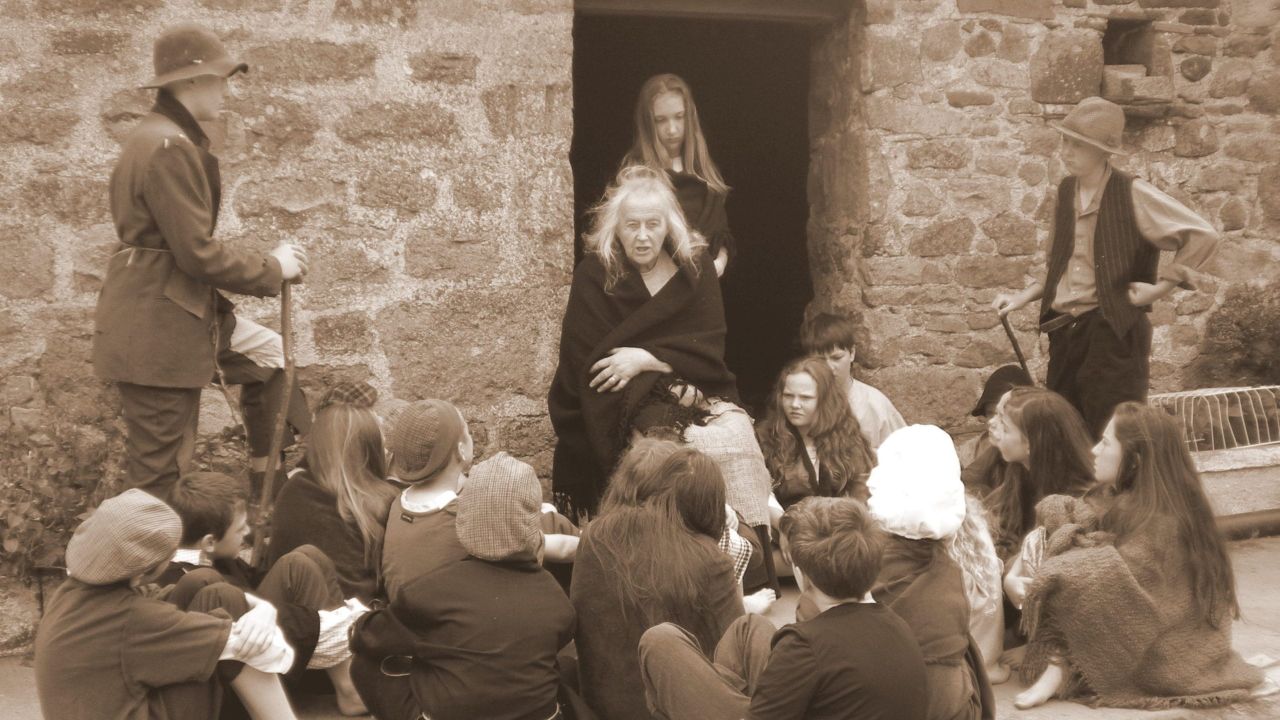
Celtic and early British mythology hold many dramatic stories, but few feel as textured and atmospheric as the legend of King Loth and the Giants. This tale sits at the crossroads of myth, early medieval memory, and Arthurian lore. It blends royal ambition, supernatural strength, and the kind of heroic storytelling that Celtic culture cherishes, something we also explore in Why Are Irish People Natural Storytellers?.
The story of King Loth is rooted in the landscapes of Scotland, especially the region known today as Lothian. His legend shows how myth and geography shape each other across centuries.
Who Was King Loth?
King Loth appears in various Celtic and Arthurian traditions. Many texts describe him as the ruler of Lothian, Orkney, or both. Some stories present him as King Arthur’s ally, while others frame him as a powerful but unpredictable northern lord.
What remains consistent is his importance. He stands as a bridge between mythic ancestry and early medieval kingship. His territory sits near ancient strongholds, standing stones, and carved markers similar to those explored in our feature on Celtic Stone Carvings. This gives his story an archaeological echo that keeps the legend alive.
The Giants of the North: Allies or Foes?
Celtic tradition often features giants as guardians of natural landscapes. They shape mountains, carve valleys, and challenge human power. In King Loth’s legend, giants inhabit the rugged territories around his kingdom.
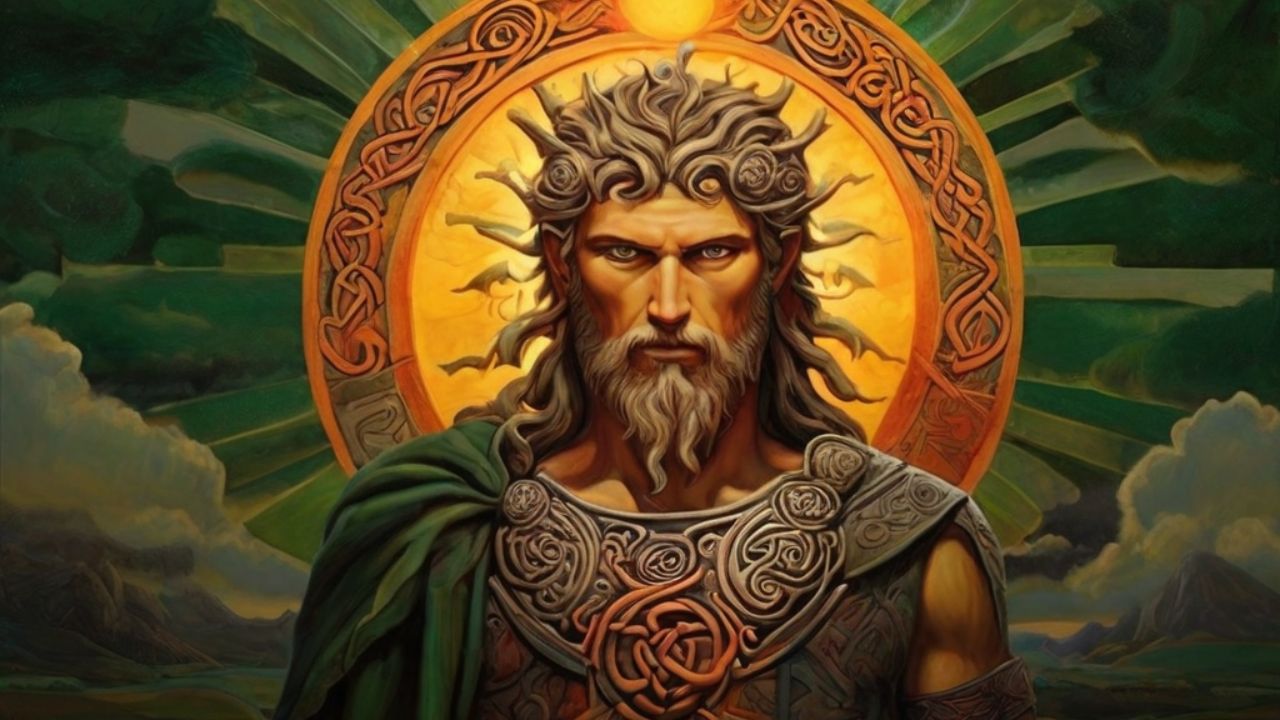
Some stories claim Loth befriended these giants and relied on them for protection. Others suggest he fought them to establish authority. The dual role of giants, as both helpers and threats reflects broader Celtic myth, much like the complex nature of deities such as Lugh, the Celtic Sun God.
These giants symbolised the wildness of the land. Anyone who sought to rule had to confront nature itself.
A Battle That Defined a Kingdom
One popular strand of the legend describes how King Loth fought a band of giants who threatened his rule. The giants, said to be tall enough to stride across rivers, challenged Loth’s authority. He gathered warriors from the north and prepared for a battle that would secure his legacy.
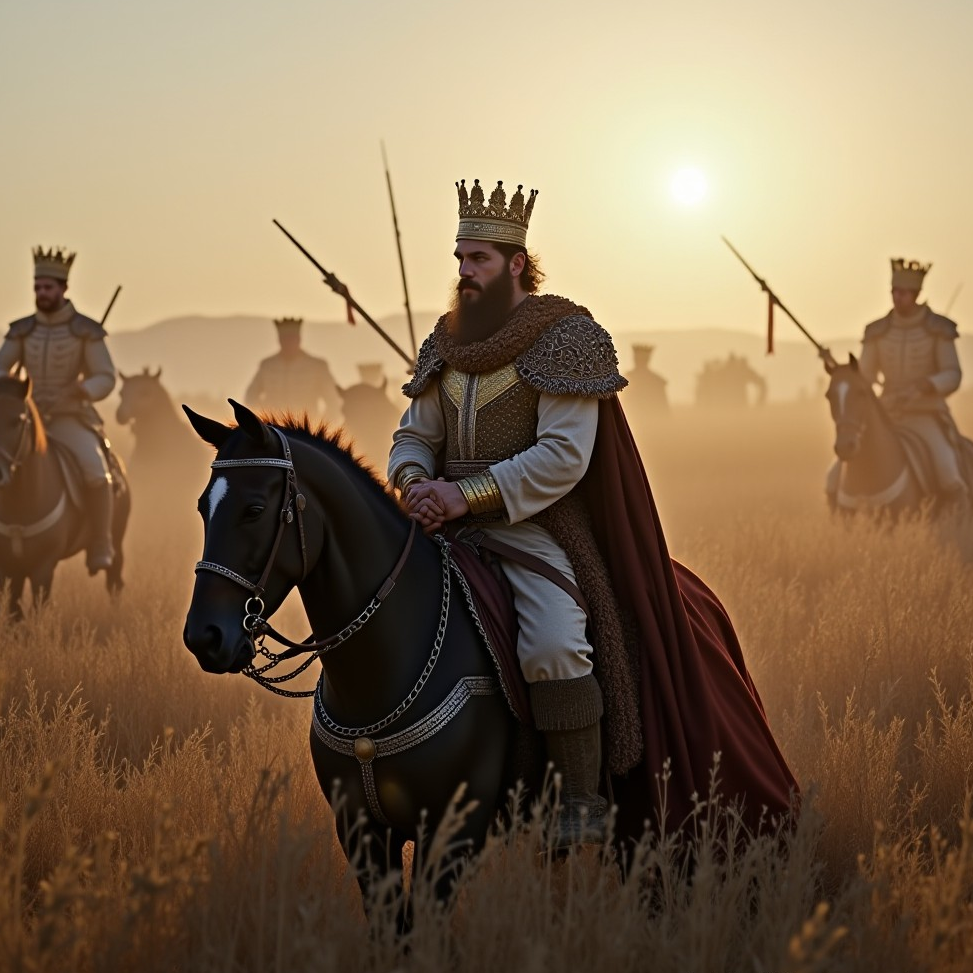
This confrontation was not merely a physical battle. It symbolised a king proving his strength against forces older and more mysterious than any human dynasty.
As in many Celtic myths, the physical landscape becomes a character. Hills, rivers, and cliffs play roles in the story, shaping the fight. These natural backdrops echo the mystical settings discussed in Legend of the Fairy Glen, where land and lore intertwine.
Why King Loth’s Story Endures
The legend survives because it speaks to Celtic identity. It highlights:
- The bond between land and leadership
- The tension between civilisation and nature
- The presence of supernatural forces in everyday life
King Loth represents a ruler who earned authority not through inheritance alone but by facing the ancient power of the land. In a culture where kingship was deeply spiritual, this mattered.
We find similar themes in tales like the Cauldron of Dagda, where mythic objects and beings reflect divine right and strength.
The Giants as Symbols of Ancestral Memory
Giants in Celtic stories often symbolise ancestors—powerful, ancient beings who shaped the world before humans came. By confronting them, Loth symbolically confronts history itself.
Some scholars believe the giants in his tale represent earlier tribes or formidable rival clans. This interpretation aligns with the social tensions shown in other cultural stories, such as upheavals described in The Influence of the Irish Potato Famine, where communities reshape identity under pressure.
Lothian: A Landscape Carrying the Legend Forward
The region of Lothian still carries King Loth’s name. Local hills and coastal cliffs echo the scale of the giants who once roamed in legend. The landscapes invite imagination, much like the Isle of Mull’s dramatic terrain in Isle of Mull.
Visitors often remark how the land feels ancient, as if the myths still breathe through the stones and soil.
Conclusion: A Tale That Bridges Worlds
The legend of King Loth and the Giants remains compelling because it merges history and myth. It portrays a king who challenged forces older and mightier than any kingdom but still earned respect through courage and wisdom.
The story continues to inspire readers, storytellers, and travellers who seek the deeper layers of Celtic culture. It reminds us that every landscape holds stories and every story carries echoes of the past.