The Celtic Crwth: History, Music & Cultural Legacy

The Celtic world carries a deep love for sound, story, and rhythm. Among its most treasured musical relics sits a mysterious and beautiful instrument, the Crwth. Pronounced “krooth”, this ancient bowed lyre once echoed across Welsh courts, Celtic homesteads, and medieval gatherings. Today, the Crwth survives more as a symbol, fragile yet powerful of how early Celtic communities understood music, storytelling, and ritual.
In this blog, we explore the Crwth’s origins, structure, musical role, and lasting cultural importance. If you already enjoy exploring Celtic traditions like the origins of Celtic harps in our guide on the Clarsach or how Irish communities preserved storytelling, you’re going to love this journey.
What Exactly Is the Crwth?
The Crwth is one of the oldest known bowed instruments in Europe. Unlike the modern violin, its shape is a blend of a lyre and a fiddle—simple, wooden, and deeply traditional. The sound is earthy and resonant, carrying a raw emotional timbre that matches the atmosphere of Celtic folklore.
The Crwth typically had six strings, though earlier versions may have used four. Some strings were bowed, while others acted as drones, producing a constant background hum. This gave Crwth music a haunting depth similar to what you may hear from the bodhrán’s rhythmic pulse in our feature on The Bodhrán Drum.
Origins of the Crwth in Celtic Culture
The Crwth likely emerged sometime during the early medieval period, thriving especially in Wales. But its influence did not stop there. Similar string instruments appear in Irish, Scottish, and even Breton traditions. So, while the name “Crwth” is Welsh, the spirit of the instrument is entirely Celtic.
Celtic cultures often used music to transmit stories, bless gatherings, or elevate poetry. If you’ve enjoyed exploring why Irish people are natural storytellers, the Crwth fits naturally into this artistic heritage. It acted as a companion to bards, poets, and traveling musicians who shaped the Celtic worldview.
How the Crwth Was Played
Crwth musicians usually held the instrument against the chest or on the lap. The bow glided across the strings while the left hand pressed the melody notes.

The combination of melody and drone created a deeply immersive sound that worked beautifully for:
- Heroic poetry
- Court entertainment
- Ritual music
- Dance tunes
- Laments and storytelling
If you enjoy how instruments shape Celtic dance culture, especially the lively energy of Ceili bands. The Crwth represents one of the earliest ancestors of this musical tradition.
Why the Crwth Declined
With the rise of violins and classical string instruments, the Crwth saw a gradual decline. By the 18th century, it had nearly vanished from public performance. Yet its impact remained: you can trace elements of its tuning style and tonal approach in the fiddle traditions we explore here:
➡️ Fiddle Music
Even in decline, the Crwth survived through the stories of musicians, surviving artifacts, and modern reconstruction efforts.
The Crwth in Modern Celtic Revival
Today, Celtic enthusiasts and music historians bring the Crwth back to life. Instrument makers recreate it based on surviving museum pieces. Musicians experiment with its haunting tone in:
- Folk performances
- Celtic festivals
- Academic research projects
- Heritage preservation
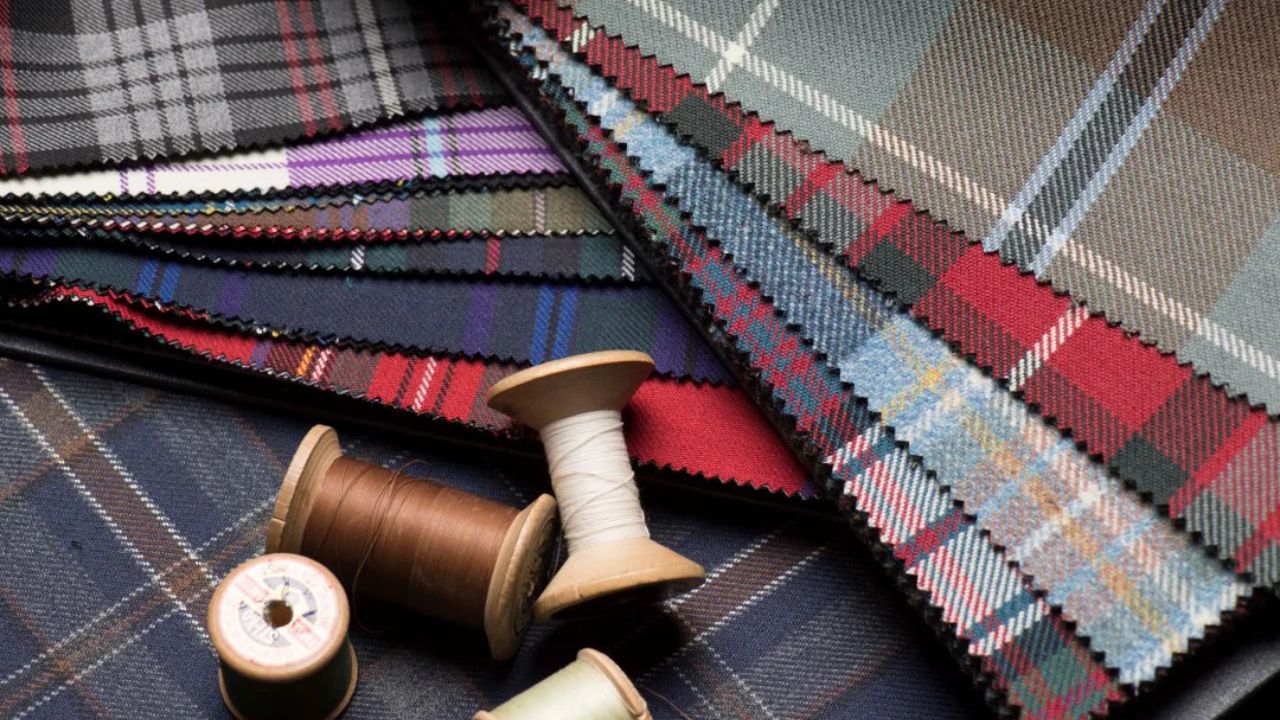
Its revival pairs beautifully with the broader resurgence of Celtic culture—whether through tartan traditions like What Is Tartan? or explorations of ancient myths such as the Celtic Sun God Lugh.
Why the Crwth Still Matters
The Crwth stands as a reminder that music is not just entertainment, it’s identity. It preserved emotion, tradition, and communal belonging at a time when written language was scarce.
Like the Clarsach and the Gaelic fiddle, the Crwth helped shape how Celtic sound evolved into what we hear today. Its legacy encourages us to preserve cultural roots in the same way we honor landscapes like the Isle of Mull and stories like the Legend of the Fairy Glen.
Final Thoughts
The Crwth is more than an instrument, it’s a cultural heartbeat surviving across centuries. Its strings tell stories of Celtic creativity, resilience, and spirit. Understanding it helps us understand the people who shaped the earliest musical expressions of the Celtic world.
For more explorations of Celtic heritage, visit our full blog library:
➡️ CeltGuide Blog