Scottish Knit Patterns for Sweaters: A Timeless Highland Tradition

Scottish knitwear sits at the crossroads of beauty, craftsmanship, and storytelling. When you pull on a Scottish wool sweater, whether it carries a bold Fair Isle motif or a simple Highland rib, you are wearing more than a winter garment. You are carrying a piece of Scotland’s spirit on your shoulders.
In this blog, we explore the origins, meaning, and artistry of Scottish knit patterns, tracing how they shaped sweater design across the centuries. If you love discovering Scottish and Celtic heritage, don’t forget to visit our main Celtguide blog for more cultural journeys.
Where Scottish Knit Patterns Began
Scotland’s knitting tradition grew in small coastal villages and Highland settlements where wool was essential for daily survival. Sheep grazed across the moors, and families developed techniques to knit garments that were warm, water-resistant, and durable enough for harsh weather.
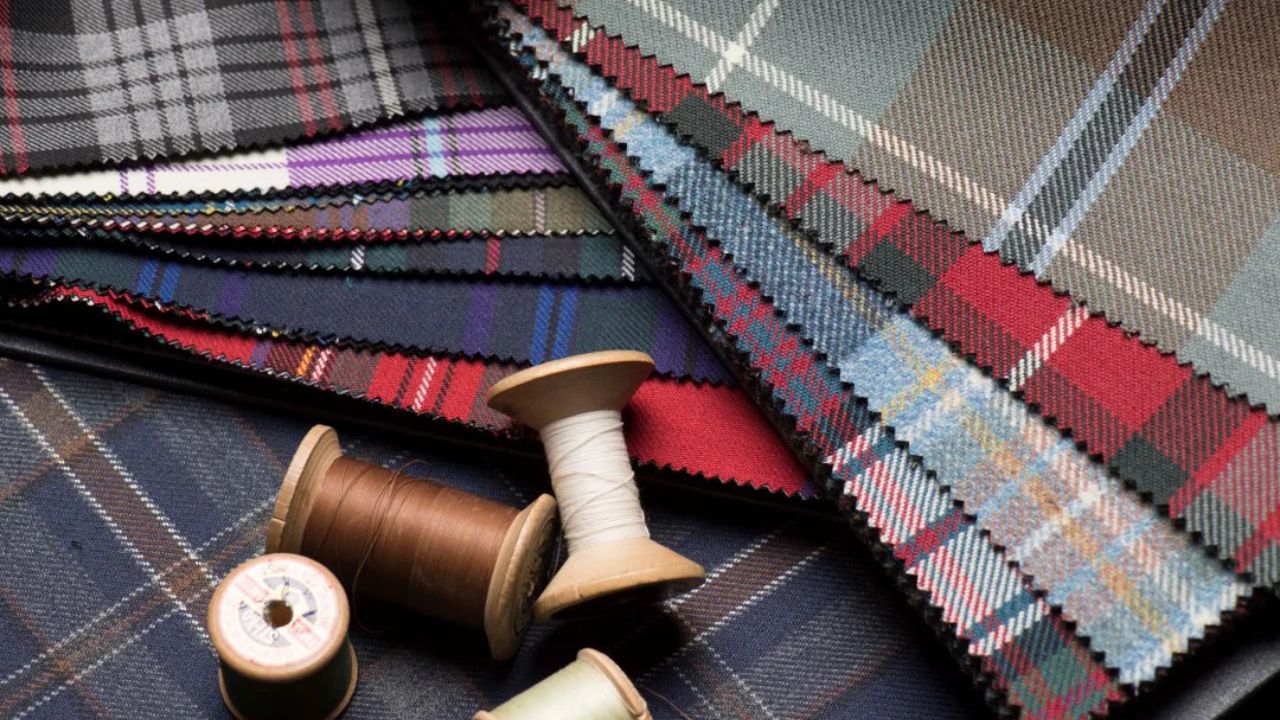
Over time, these practical designs evolved into beautiful and symbolic patterns. Many stitches still reflect Scotland’s geography, folklore, and crafts much like how tartan carries the story of clans, as we explore in What Is Tartan?.
Fair Isle: Scotland’s Most Iconic Knit Pattern
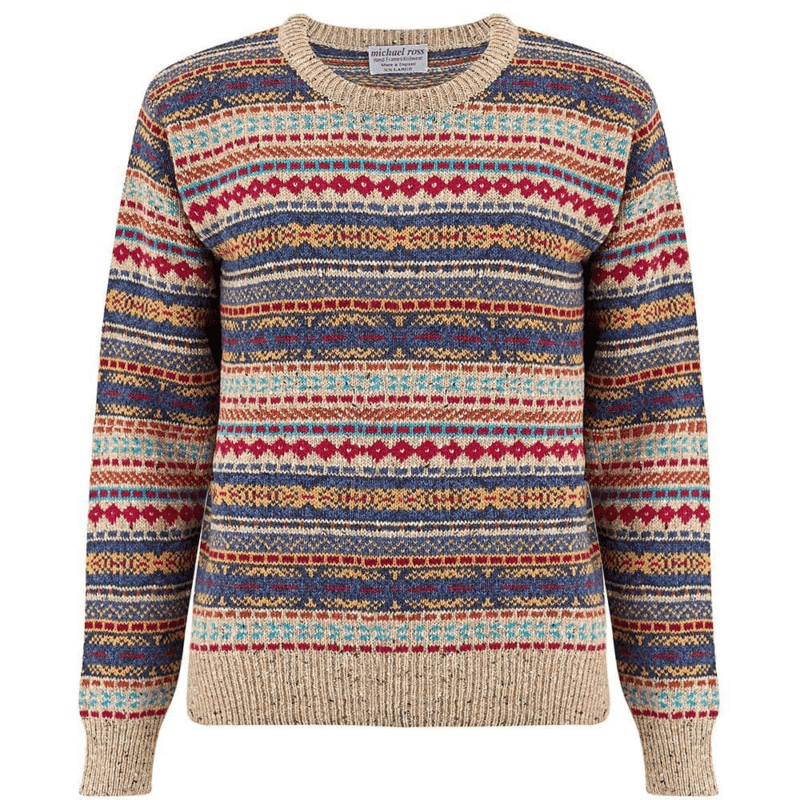
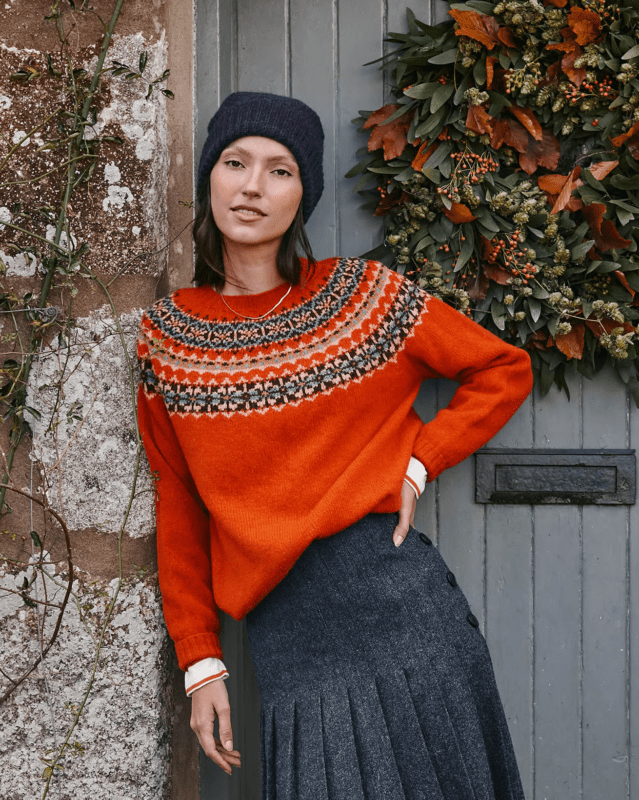
Fair Isle knitting originated in the remote Shetland Islands. It is famous for its colourful bands, repeating geometric shapes, and warm, lightweight wool. The style became globally recognised when the Prince of Wales wore Fair Isle sweaters in the 1920s.
Fair Isle patterns stand out because they mix tradition with artistry. Knitters layer colors inspired by the sea, cliffs, and wildlife, a reminder that Scottish craft and landscapes are deeply connected.
If you enjoy exploring Celtic colour symbolism, you may also appreciate the natural storytelling heritage discussed in Why Are Irish People Natural Storytellers?.
Cable Knits: Braids Inspired by Nature
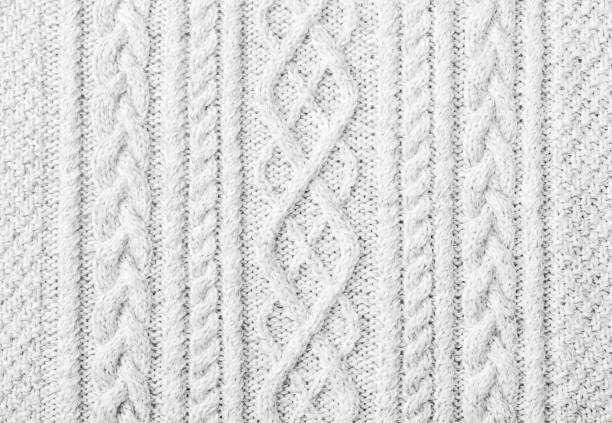
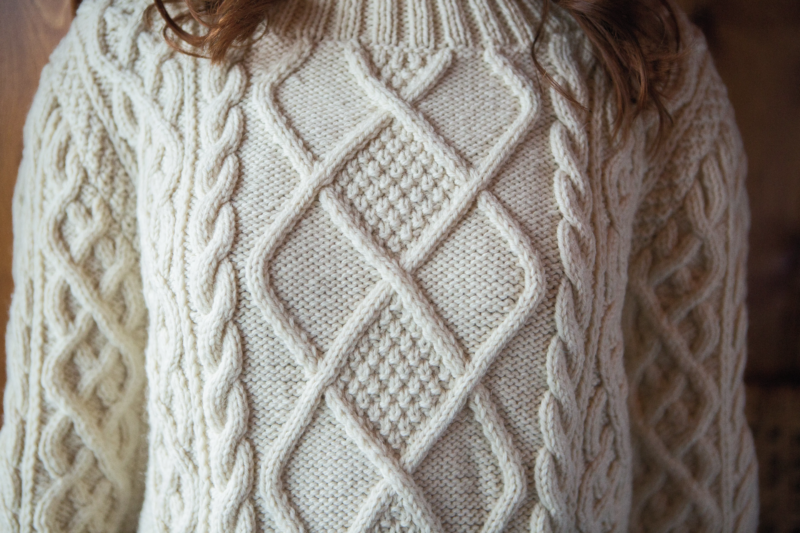
Cable knitting appears across Scotland, especially in coastal communities where fishermen needed warm, textured sweaters. The cables resemble twisted ropes, braided branches, and rippling water—symbols of strength, continuity, and protection.
Each family once had its own cable variants, much like clans had their own tartans. That cultural parallel becomes clearer when reading about How Long Has the Tartan Print Been Around?.
Diamond, Moss, and Seed Stitches
Scottish sweaters often pair cables with smaller textured stitches:
Diamond Stitch
Represents fishing nets, prosperity, and the wish for good fortune.
Moss Stitch
Reflects the green Scottish moorlands and creates a soft, dense fabric.
Seed Stitch
A classic symbol of growth and renewal, inspired by the seeds scattered across farmland.
These patterns give sweaters depth, character, and a handmade warmth that machine knitting rarely matches.
The Cultural Meaning Behind Scottish Sweaters
Scottish knitting carries echoes of folklore, seasonal rhythms, and family traditions. The colours, patterns, and wool choices all connect to the land. Meanwhile, symbols woven into sweaters mirror Scottish values—resilience, community, and story-rich craftsmanship.
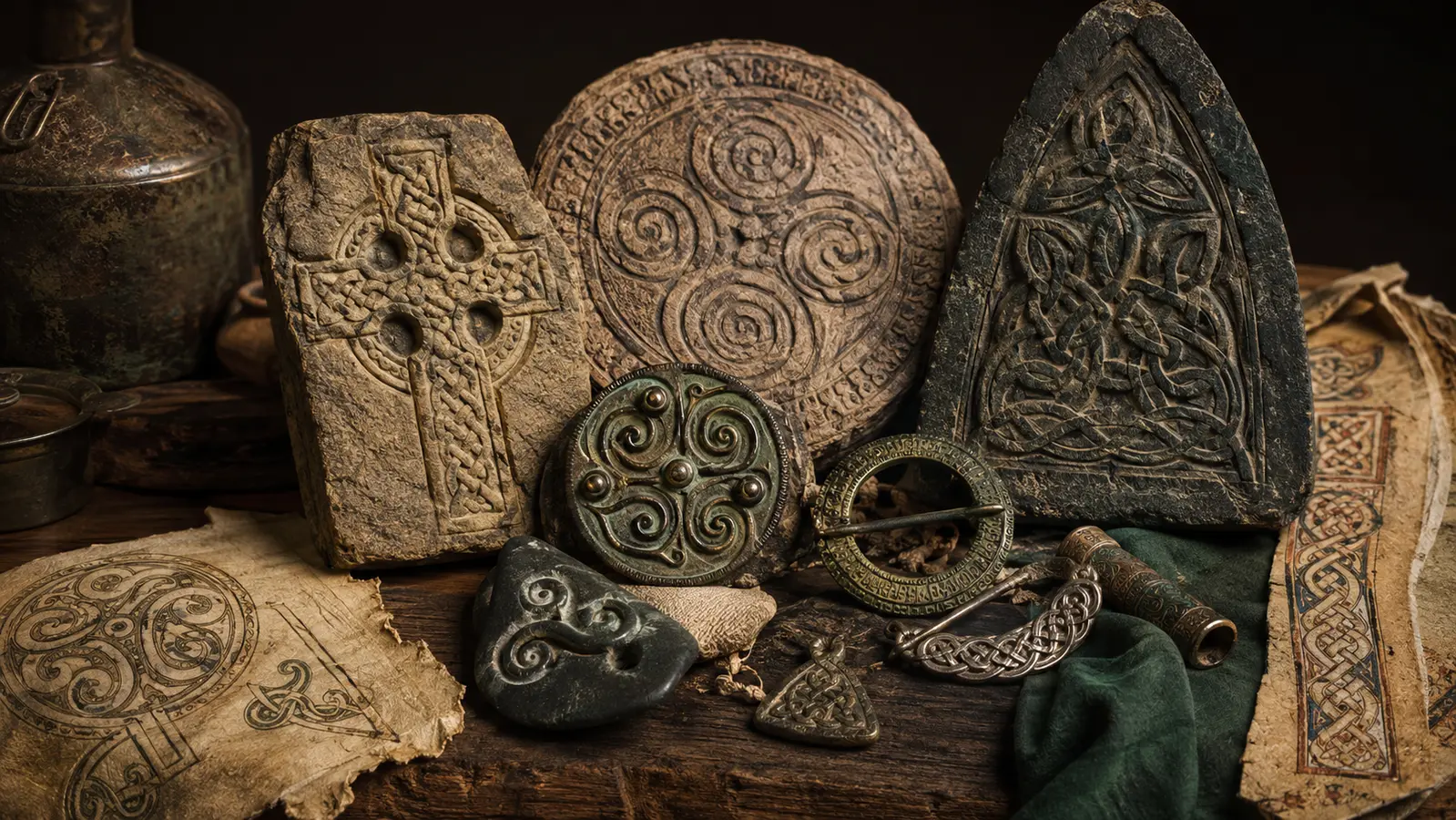
If you love myth-inspired symbols, explore how Celtic stories live in visual art through Celtic Stone Carvings.
Scottish Knit Patterns in Modern Fashion
Today, Scottish knitwear appears on runways, in outdoor clothing stores, and in handmade craft markets. Designers combine ancient stitches with modern silhouettes. Many still use local wool, dyed with natural pigments.
Fair Isle cardigans, Aran-style cable sweaters, and rib-knit Highland jumpers remain winter favourites across the world. They deliver beauty and heritage without sacrificing comfort.
And if Scottish clothing interests you, you may enjoy learning how textiles shaped identity in our article on Scottish Tartan Shawls.
Why Scottish Knit Patterns Still Matter
Scottish knit patterns endure because they are simple, honest expressions of the people who created them. Every stitch carries a memory of weather-beaten cliffs, fire-lit cottages, and hardworking hands shaping warmth from wool.
In an age of fast fashion, Scottish sweaters stand as reminders of patience, skill, and cultural pride.
For more Celtic traditions, stories, landscapes, and artistry, explore our full blog collection.